

New HUD Mandate Requires Proof of Citizenship for Public Housing, Threatening 80,000 Residents
A new HUD rule mandates immigration proof for public housing, risking the displacement of 80,000 people, including thousands of U.S. children.

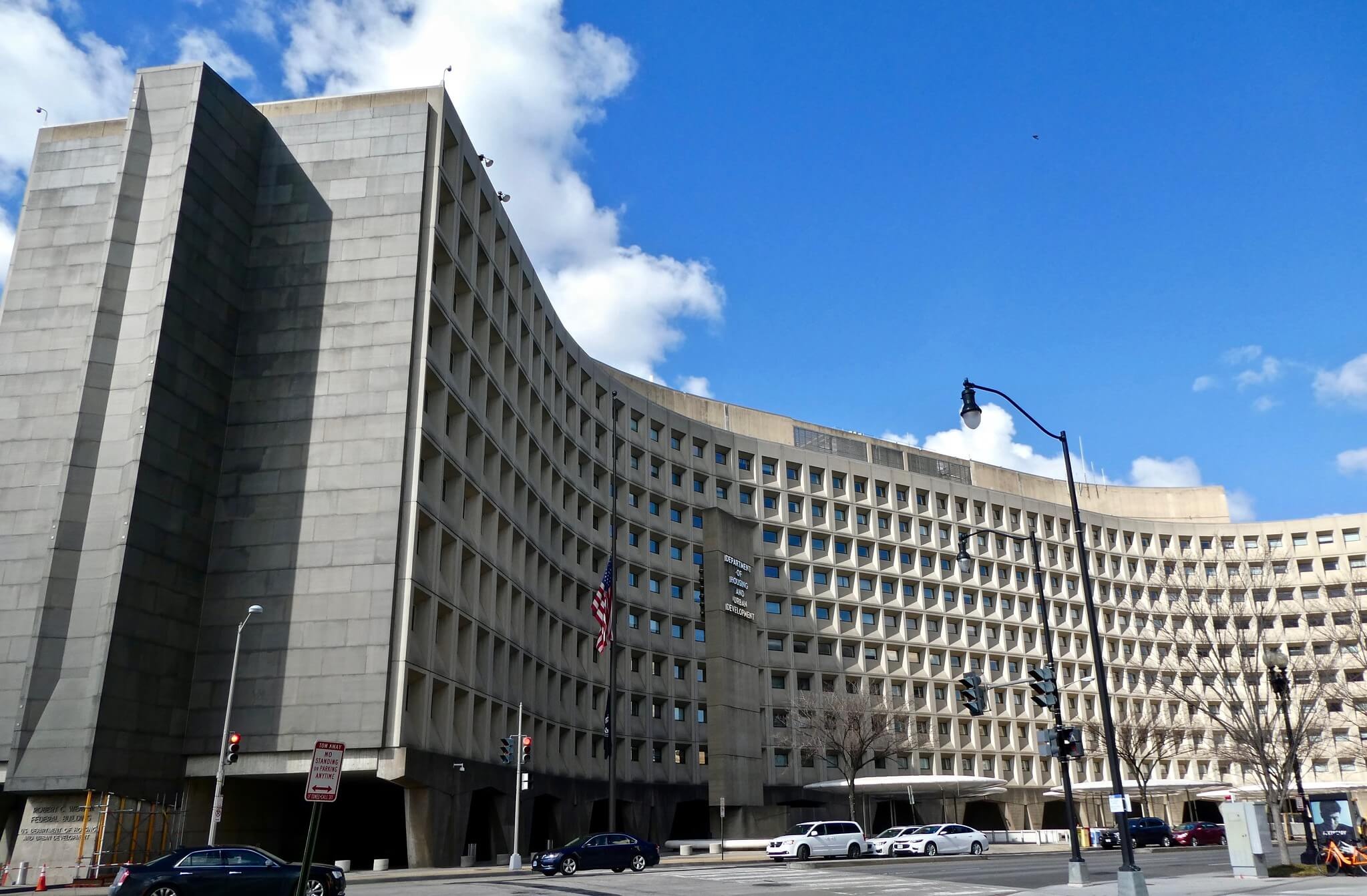
POLICY WIRE — Washington, D.C., U.S. — The U.S. Department of Housing and Urban Development issued a new regulation on Thursday, requiring all federal public housing tenants to certify their U.S. citizenship or eligible immigration status.
According to the Center for Budget and Policy Priorities, a nonpartisan research organization, this policy threatens to uproot nearly 80,000 individuals from their homes.
This includes tens of thousands of U.S. citizens living in mixed-status households, who have previously been shielded from such requirements since 1995.
Under prior guidelines, federal subsidies allowed mixed-status families to remain together, provided only eligible residents received financial assistance.
The new directive may force these households to either leave public housing entirely or separate their family members to secure tenancy.
Marie Claire Tran-Leung, managing attorney at the National Housing Law Project, criticized the move for destroying family unity.
She stated that the previous system effectively supported these households, which often shouldered higher rent costs due to prorated subsidies.
Tran-Leung warned that removing these reliable payers will likely result in significant financial deficits for the agency.
Data from the CBPP indicates that approximately 20,000 mixed-status families, totaling 80,000 people, face potential displacement under the new framework.
Of that total, about 37,000 are children, the vast majority of whom hold U.S. citizenship.
The rule is set to take effect on Dec. 14, marking a decisive shift in federal housing enforcement.
HUD Secretary Scott Turner defended the mandate in a public statement, claiming it ends the exploitation of welfare programs by ineligibles.
He asserted that American taxpayers should not fund those who fraudulently access the system while legal residents wait on long lists.
Turner cited a recent audit that flagged nearly 200,000 tenants with incomplete or unverified eligibility documentation.
The official noted that current public housing capacity only serves a quarter of eligible households in need.
States across all 50 jurisdictions will face impacts, with the highest concentrations in New York, California, and Texas.
A coalition of 22 state attorneys general opposed the rule, identifying more than 7,000 affected mixed-status households in California.
They also cited approximately 2,500 such households in New York in a letter sent in April.
The coalition warned the policy would impose severe economic costs on states and worsen the national affordable housing crisis.
HUD previously attempted similar revisions in 2019, but that proposal was withdrawn in 2021.
The agency reintroduced the measure in February 2026, sparking a response from more than 11,000 individuals, groups, and lawmakers.
The three-month comment period generated significant public opposition, including emotional appeals from affected residents.
Claire Stanley, a senior resident in Auburn, Washington, argued the rule would fail to save money by increasing costly homelessness.
Mark Smith of Oconto Falls, Wisconsin, called for the withdrawal of the proposal in a March comment.
Reporting by Policy-Wire (PW)