


Kyiv Exodus: Ukrainians Face Grueling Choice Amidst Escalating Energy Attacks
Ukrainian residents face a brutal winter ahead as Russian strikes target energy infrastructure. Many weigh fleeing Kyiv against staying to endure.

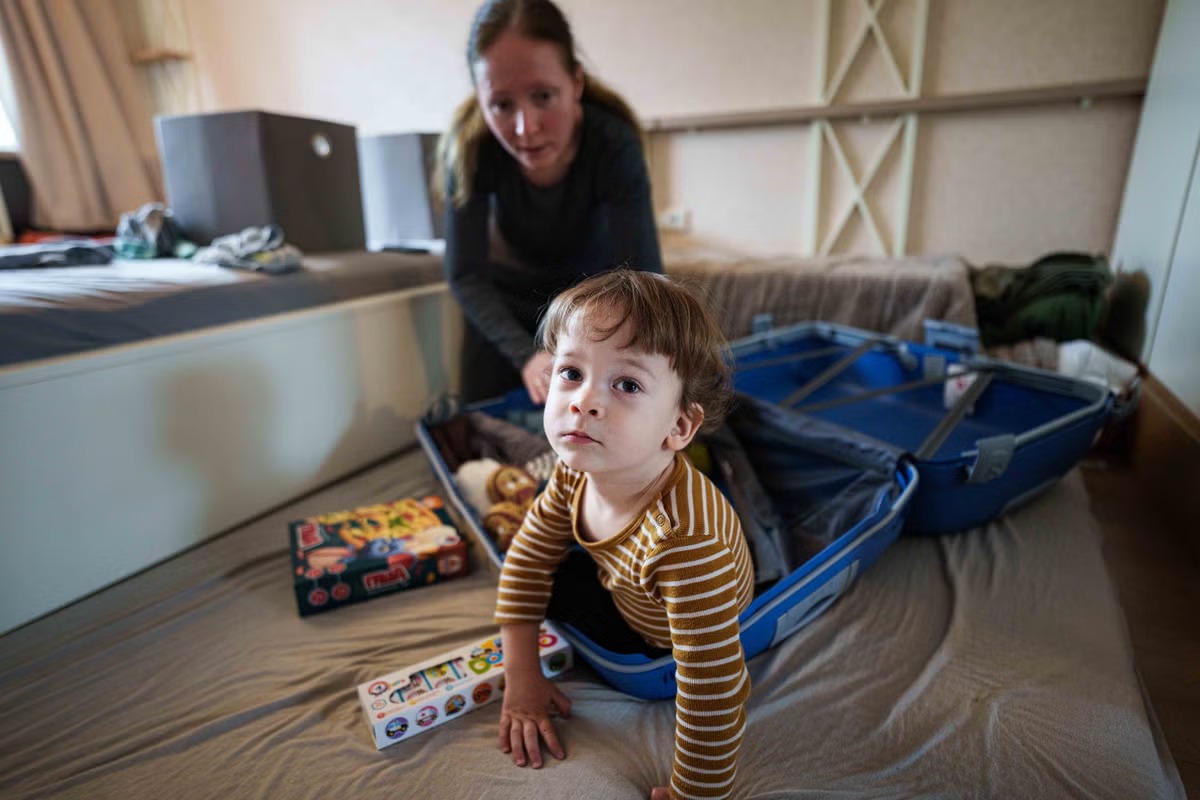
POLICY WIRE — Kyiv, Ukraine — Two-year-old Matvii Yermolenko is already intimately familiar with the sounds of air defense systems and emergency sirens. As the winter season approaches, his mother, Kateryna Tsvihun, has decided to remove him from the capital to protect him from the elements.
Tsvihun explained that while she feels deep sadness about leaving, the necessity of departure is a stronger motivator. She plans to return in the spring, noting that she is deeply rooted in Ukraine where her husband is currently serving as a soldier defending the country.
The nation is preparing for what could be the most difficult winter period of the conflict. Last year, failures in heating systems left thousands of Kyiv residents in unheated homes. Today, analysts and officials warn that the heavily damaged energy infrastructure is struggling to hold up against persistent assaults, testing the population’s endurance to the breaking point.
Kyiv is currently under immense pressure. Since August 22, the city has not experienced a day without an air raid alert, frequently followed by daytime drone and nighttime missile strikes. While many have already relocated to safer regions or abroad, the local real estate market provides a glimpse into the scale of the population shift.
Liudmyla Kiriukhina, who leads the statistics department at the real estate platform LUN, noted that available rental properties in Kyiv increased during September while availability dropped in several western cities. This trend suggests a migration of tenants from the capital toward the western part of the country.
Russia has utilized its access to ballistic missiles and jet drones to expand its target list in Kyiv. Strikes hit gas stations, data centers, warehouses, retail stores, and bridges vital for transit across the Dnieper River. These attacks have disrupted the subway system and led to frequent water shortages, prompting some residents to voice frustration with the local government’s readiness for winter.
Despite the financial burden of moving, many choose to stay, equipping themselves with portable power, water reserves, and gas-powered stoves.
For 41-year-old Tsvihun, the previous winter was unbearable. Unable to face the prospect of her son enduring blackouts or a total loss of heat, she informed her husband—a soldier since 2022—that she would spend the coming cold months elsewhere.
After failing to find viable options within Ukraine, Tsvihun discovered an opportunity in Albania through a social media group for traveling mothers. She stated that having a child changed her perspective entirely; previously she never would have considered leaving Kyiv despite the fear she felt.
A recent Russian strike near a subway station she visits with her son reinforced her fears. She packed a suitcase with essentials like a portable power station and rechargeable lighting, viewing the trip as a necessary reprieve from the years of accumulating psychological pressure and loneliness.
The Ministry of Energy confirmed Wednesday that Russian attacks on substations and generation facilities are ongoing. President Volodymyr Zelenskyy noted the situation in the capital is particularly dire as citizens and businesses endure hours without electricity or water.
Andrii Tkachov, acting head of the Kyiv City Administration, warned that this winter could match or exceed the hardships of the last. He stated the enemy targets critical infrastructure to spark social tension and humanitarian crises in the nation’s largest city. He emphasized that resilience depends on air defense, utility workers, and the residents’ residents themselves.
Data from LUN shows that active rental listings in Kyiv rose by 87% between August and November. Conversely, listings fell in cities like Lviv, Uzhhorod, and Ivano-Frankivsk, indicating that those fleeing the capital are seeking time to relocate.
For 39-year-old Kateryna Tymoshenko, leaving is a financial impossibility. She participated in an October 17 protest demanding the resignation of Mayor Vitalii Klitschko, citing poor winter preparations, shelter shortages, and the mismanagement of funds. She noted she lacks the money to follow his call to leave.
Tymoshenko considered moving to western Ukraine, but high demand has driven prices beyond her reach. With her husband at the front, the burden of winter prep falls entirely on her. She has moved to a first-floor apartment to mitigate some risks, stating she is ready to endure as long as possible despite the lack of anti-missile batteries.
em>Reporting by Policy-Wire (PW)