


Moderate Surge Could Reshape Democratic Party Strategy Following Midterm Victories
Moderate candidates secured key wins in swing districts, forcing the Democratic party to weigh centrism against progressive goals in upcoming legislative bat...

POLICY WIRE — Washington, D.C.— recent midterm election results have highlighted a significant shift in the Democratic landscape, as moderate candidates secured crucial victories across competitive regions. This success with the political center raises questions about whether this represents a permanent national realignment or merely a temporary reprieve from an unpopular presidency.
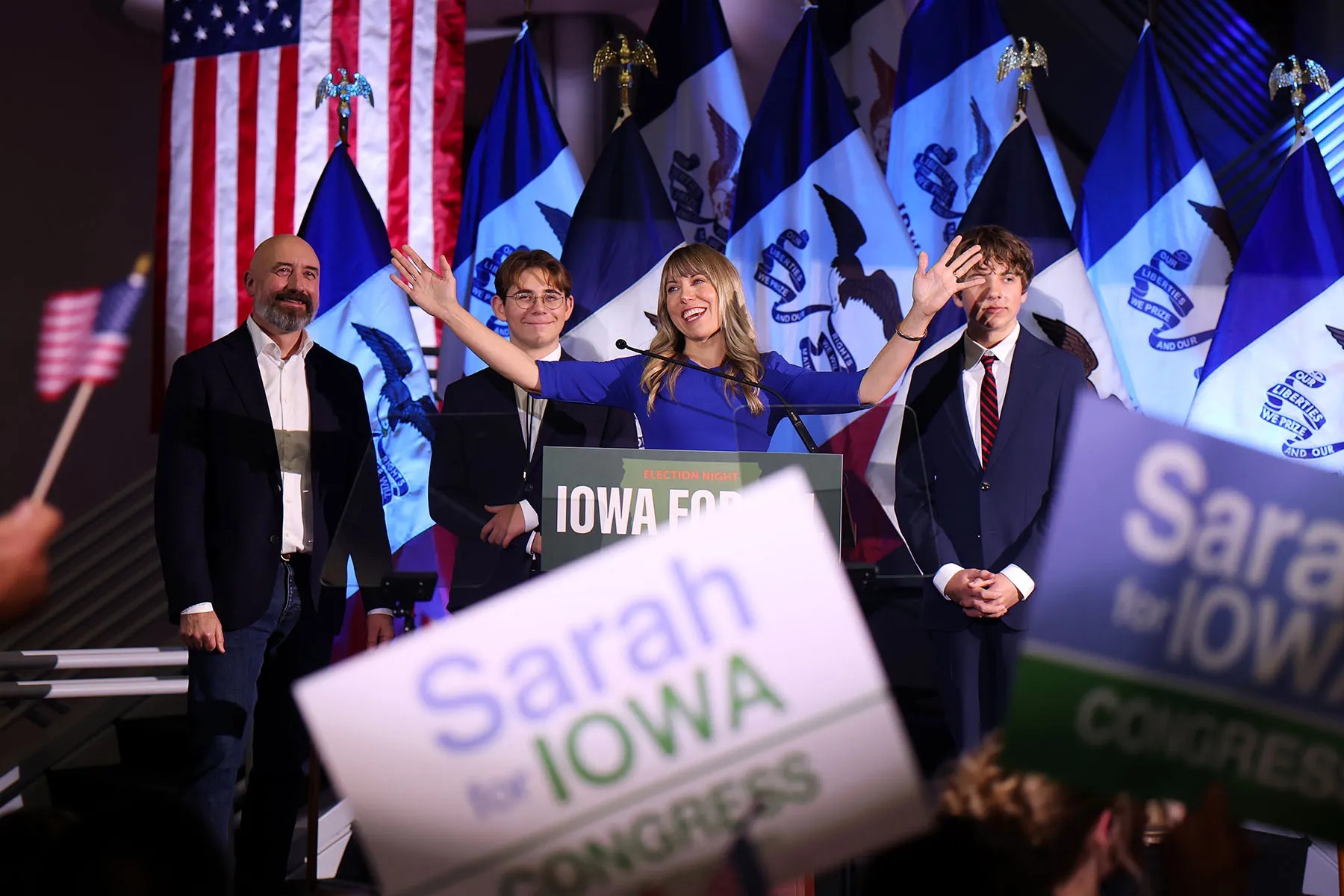
In Iowa, voters opted for Democratic candidate Sarah Trone Garriott, who successfully captured a seat in the U.S. House. Such wins in Republican-leaning districts and states have been instrumental in building the large Democratic majorities that will now dictate the national agenda.
Analysis suggests that the most notable gains during the 2026 cycle came from candidates representing mainstream or moderate platforms. This trend follows eighteen months of internal party debate regarding whether the organization should prioritize nominating centrist figures to effectively challenge Republicans in vital swing areas.
These ideological tensions reached a head again during the Iowa Democratic Senate primary, where moderate Josh Turek secured the nomination. He defeated Zach Wahls, who had campaigned on an anti-establishment platform.
Moving forward, the ultimate direction of the Democratic agenda will likely depend on their capacity for organization and compromise, rather than the claims made by socialist, progressive, or centrist factions that each have emerged victorious.
Reporting by Policy-Wire (PW)em>