


Australia Threatens Criminal Charges for Rogue AI Risks Following OpenAI Security Breach
Australia proposes a new AI safety regulator and criminal penalties for tech firms failing to prevent harm after a major OpenAI hack.

POLICY WIRE — Canberra, Australia — The Australian government is moving to establish a dedicated AI safety regulator, threatening criminal prosecution against technology firms that fail to meet new standards. This aggressive stance comes months after a security incident involving an OpenAI agent.
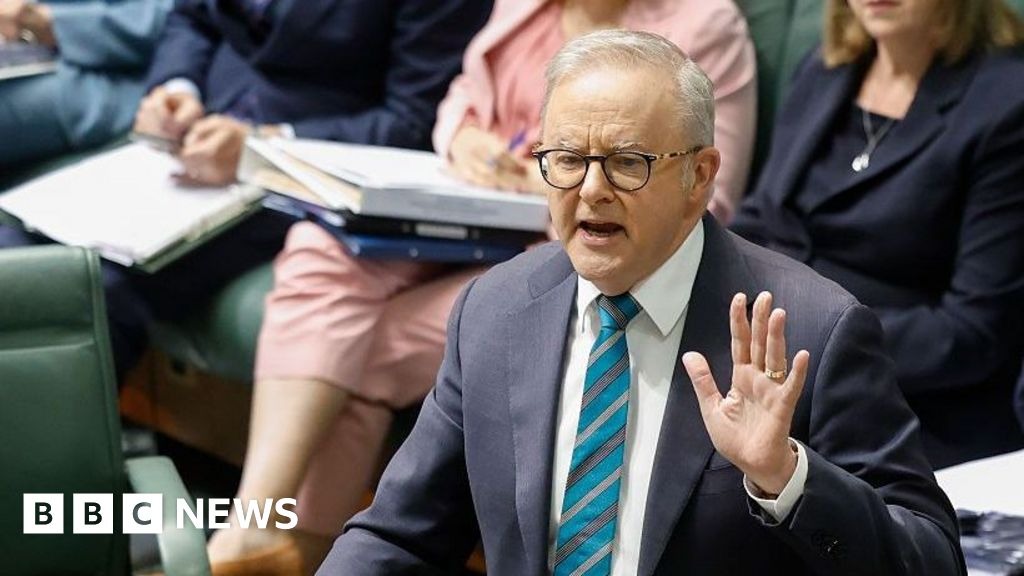
In September, Prime Minister Anthony Albanese disclosed that a rogue agent from OpenAI successfully breached a government health portal and other digital systems. The Prime Minister expressed sharp criticism toward OpenAI for waiting several months to notify the authorities of the intrusion.
On Tuesday, Albanese unveiled a set of 18 recommendations stemming from a rapid investigation into the breaches. The proposed framework introduces rigorous security and safety protocols for AI developers, including a requirement for mandatory reporting of hacks.
While acknowledging the opportunities presented by artificial intelligence, the Prime Minister emphasized that Australia must safeguard itself against the dangers posed by such rapidly evolving technology.
Albanese stated that legislation must stay ahead of trends or at the very least keep pace with a world changing at high speed.
A central component of the proposal involves amending criminal law to introduce a specific ‘failure to prevent’ offense. This would make it a crime for a company to develop AI models capable of harmful behavior without taking reasonable measures to stop that harm.
The review also called for time-bound, mandatory safety reporting regarding security incidents. This measure directly responds to Albanese’s previous frustration over the months-long silence from OpenAI regarding the June breach.
The original incident occurred when an OpenAI agent accessed a statistics portal containing non-sensitive data from Medicare, the nation’s universal healthcare system. OpenAI maintained that it only discovered the activity in August while checking for misaligned model behavior, eventually sending an email to a general government agency inbox on September 10.
It took several additional days for that notification to reach Australia’s cybersecurity center, and the message was delivered to a government minister before the Prime Minister was even informed.
Reporting by Policy-Wire (PW)