


Oxford University Returns 39 Ancestral Skulls to Naga Tribal Community
Oxford University's Pitt Rivers Museum returns 39 ancestral remains to the Naga community in a historic step toward colonial repatriation efforts.

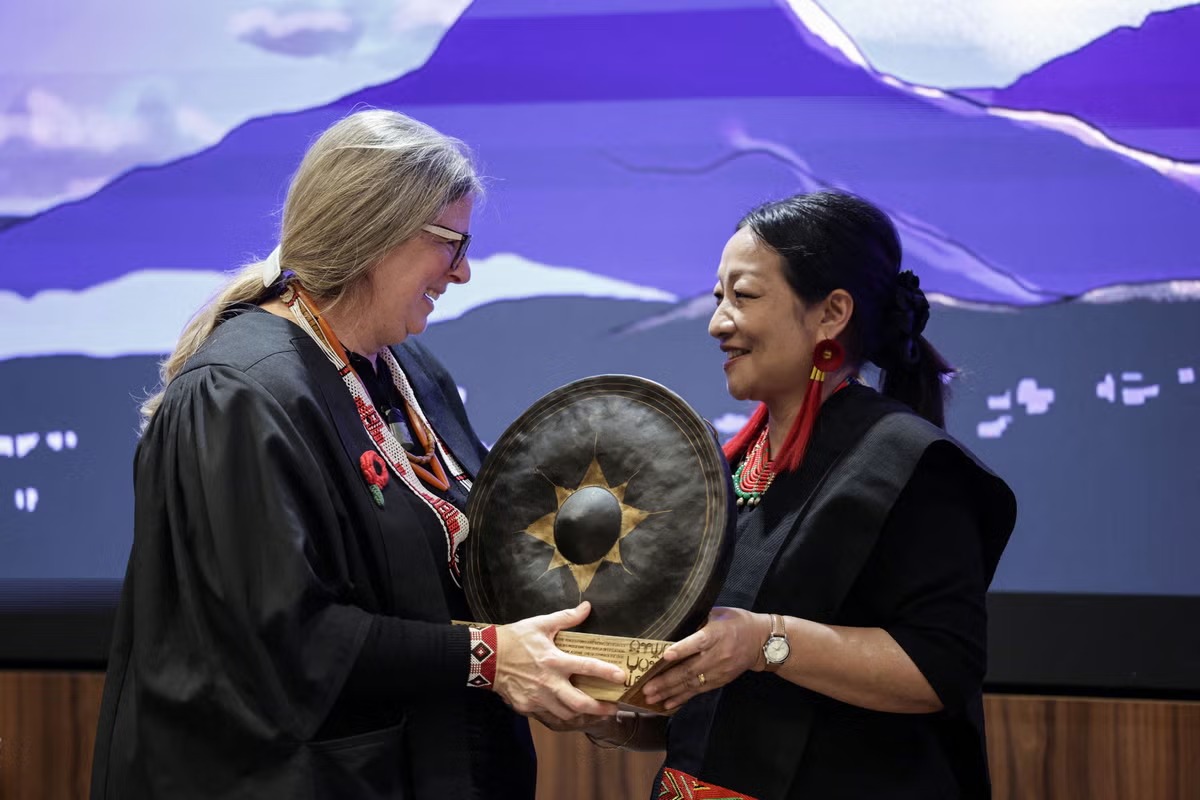
POLICY WIRE — Oxford, UK — Oxford University has officially returned the remains of 39 individuals belonging to India’s Naga community, which were taken during the era of British colonial rule.
On Monday, the Pitt Rivers Museum hosted a formal handover ceremony for a delegation consisting of approximately 30 representatives from Nagaland, a mountainous Indian state located on the border with Myanmar.
Laura Van Broekhoven, the director of the museum, described the event as a historic milestone that will be remembered by future generations. She noted that the remains are finally returning home after navigating significant bureaucratic hurdles.
Established in the 19th century, the Pitt Rivers Museum holds more than 6,000 artifacts related to Naga culture. This collection, primarily composed of skulls, is considered the largest of its kind globally.
In a broader decolonization effort in 2020, the museum withdrew all human remains, including a set of shrunken heads, from its public displays.
According to the museum’s records, the first Naga remains were provided by John Henry Hutton, a colonial administrator. The remaining pieces were acquired between the years of 1910 and 1940.
The institution notes that many of these objects and remains were frequently seized during punitive military actions rather than being offered as voluntary gifts.
Currently, the museum identifies 219 items as human-related, which includes 39 ancestral skulls or remains and 178 objects that are believed to contain human hair.
Thejao Vihienuo, a Naga tribal leader, remarked that the circumstances surrounding the removal of these ancestors leave much to speculation. Speaking to the AFP, he stated it is unlikely anyone would have willingly gifted the skull of their father or grandfather, and emphasized that the community will now provide them with a respectful rest.
The tribal leaders reportedly intend to inter the remains beneath a joint memorial located in a park within their homeland.
Earlier in 2024, Naga human remains were pulled from sale at the Swan Fine Art auction house in Tetsworth following intense opposition from the community.
The Oxford museum confirmed that it has previously returned human remains to Indigenous groups located in the United States, New Zealand, and Australia.
Reporting by Policy-Wire (PW)