

Black Box Recovered After Fatal Florida Learjet Crash Leaves All Nine Dead
Investigators have recovered the cockpit voice recorder from a fatal Learjet crash in Florida. New data could reveal the final moments of the nine victims.

POLICY WIRE — Florida, USA — Investigators have located the cockpit voice recorder from a business jet that crashed last week, a tragic accident that claimed the lives of all nine individuals on board.
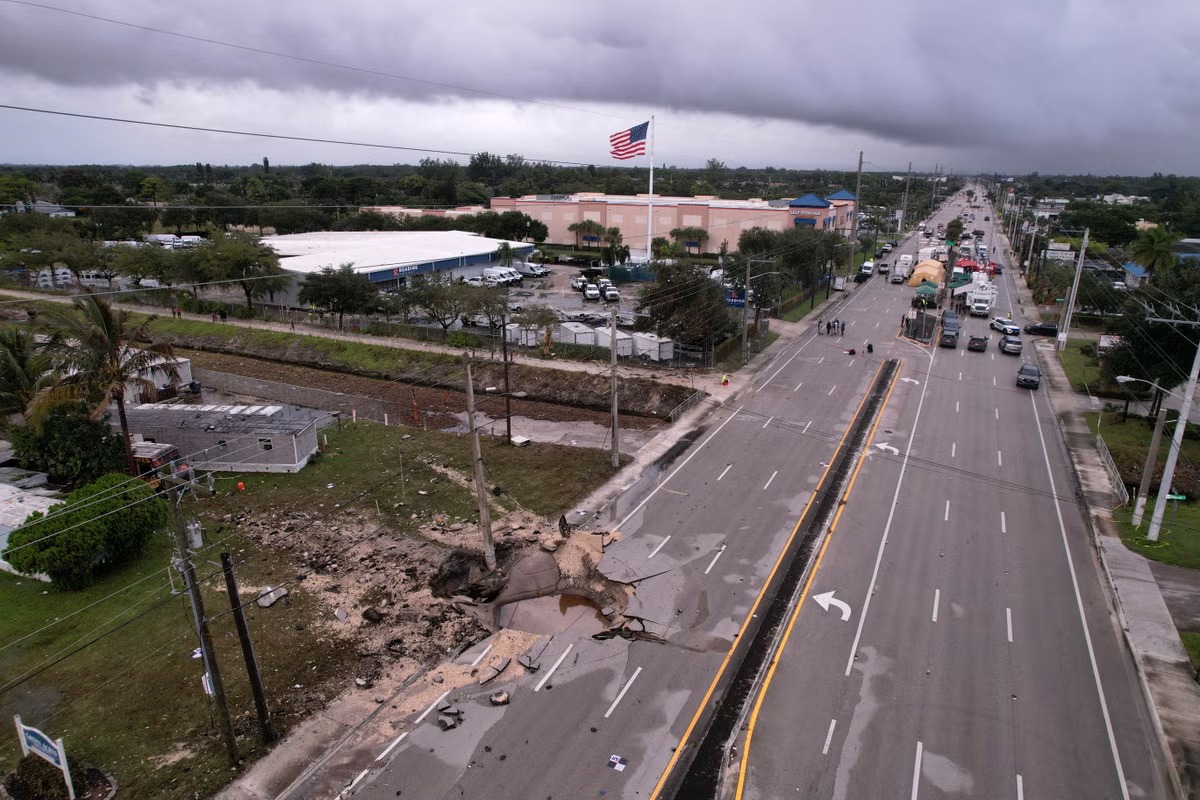
The National Transportation Safety Board confirmed via social media that the device was retrieved from the crash site. The Bahamas-bound Learjet struck the ground and caught fire on November 1 after encountering severe storms.
The aircraft plummeted from the sky while battling extreme weather conditions. If investigators can successfully extract data, it may provide vital insights into the communications between pilots as they fought turbulence, wing icing, and the loss of aircraft control.
While it is currently unclear if the recorder is functional or damaged, the NTSB is transporting the device to a laboratory in Washington for evaluation. Aviation safety expert Jeff Guzzetti told The Associated Press that photos of the orange metal housing show it is in relatively good condition.
“it is very plausible that any info on the recorder survived,” Guzzetti stated. “If they can recover it, and it is from the accident flight, that will be a huge help to investigators.”
Guzzetti cautioned optimism, noting a similar incident in January 2025 involving a medical transport plane crash in Philadelphia where seven people died. In that case, the recovered recorder was found to have been non-functional for several years.
Witnesses previously filmed the jet diving nose-first into the earth, and air traffic control recordings captured the pilots realizing they were in peril. However, the voice recorder may explain why the plane veered from one large storm cell only to fly into a smaller, rapidly forming one.
Authorities found fragments of the elevator—the component responsible for the plane’s pitch—more than a mile away from the impact crater. This discovery confirms the aircraft began disintegrating before hitting the ground.
During the descent, the co-pilot informed air traffic that the plane was being tossed vertically by over 700 feet and requested an alternative route through the weather.
The NTSB typically requires 12 to 18 months to finalize a crash probe, though complex cases extend that timeline. The agency’s 400 employees are currently managing over 1,200 active cases.
The probe will examine the plane’s maintenance history and known mechanical issues. Investigators plan to interview staff from Upper Jets, as well as airport personnel and controllers in Austin, Texas, where the flight originated.
Reporting by Policy-Wire (PW)em>