


Glas Rape Crisis Marks 50 Years With ‘What Were You Wearing?’ Clothing Exhibit
Glasgow and Clyde Rape Crisis unveils a poignant clothing exhibition for its 50th anniversary, challenging rape culture myths and amplifying survivor voices ...

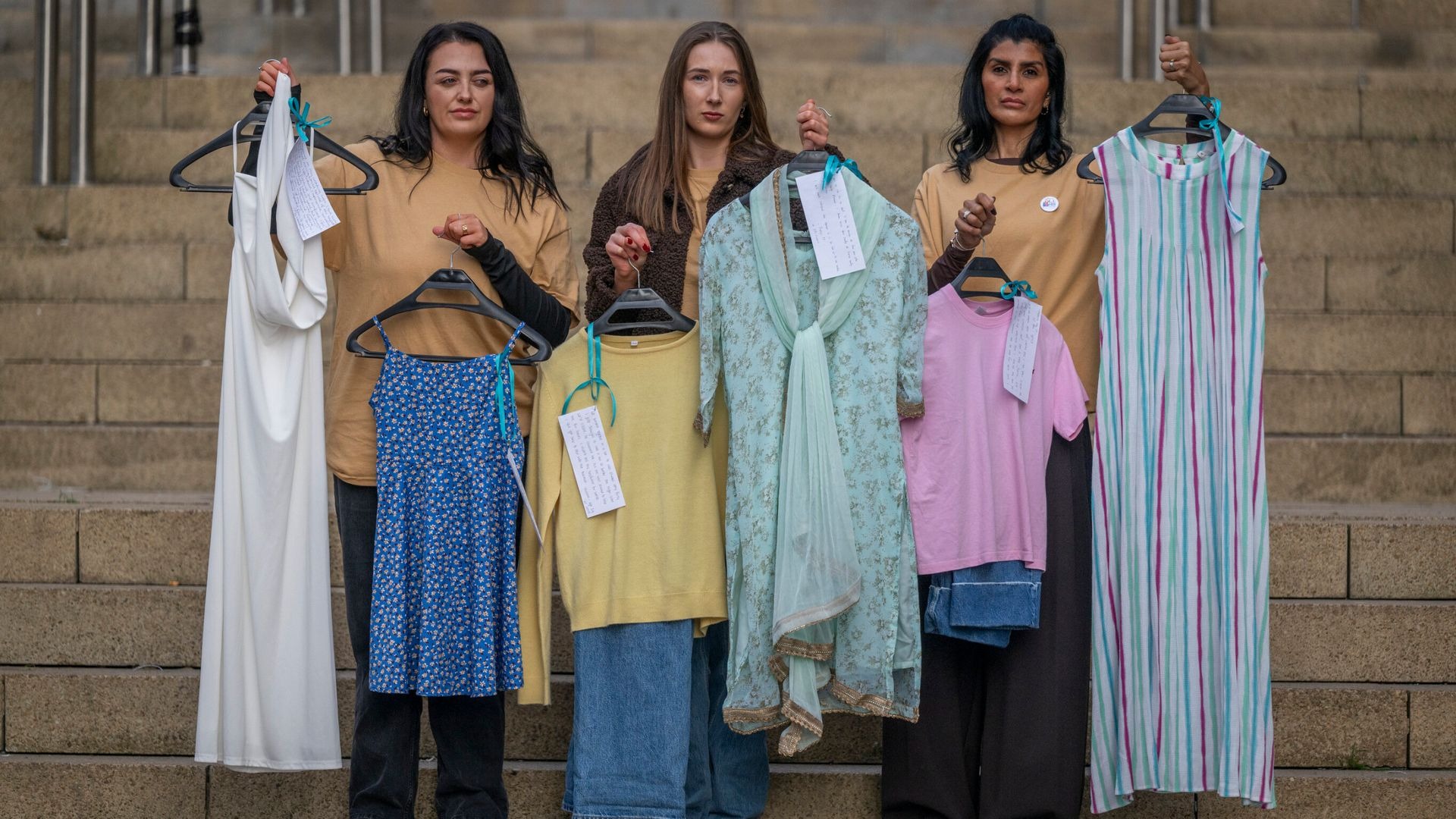
POLICY WIRE — Glasgow, United Kingdom — A new exhibition set to display garments worn by survivors of rape and sexual assault will serve as a striking memorial to the trauma endured by women and girls across the region.
Glasgow and Clyde Rape Crisis is launching this visual display to coincide with the organization’s 50th anniversary. The collection pairs specific clothing items with first-hand testimonies from those who have suffered sexual violence.
The initiative is designed to act as a “powerful reminder” of these attacks, ensuring that the realities of sexual violence remain visible to the public.
The display aligns with the broader “What Were You Wearing?” movement, which arose from the common and harmful reflex to question a survivor’s attire when reporting an assault. This inquiry often incorrectly implies that clothing determines consent or invites violence.
By featuring outfits worn during the attacks, the gallery explicitly rejects these myths. The exhibit asserts that clothing does not provoke violence, nor do the victims themselves. Instead, the responsibility for such crimes rests entirely with the perpetrators.
This specific iteration of the project draws inspiration from the original 2013 creation by Jen Brockman and Mary Wyandt-Hiebert. The concept was further influenced by the 2002 poem “What I Was Wearing” authored by Mary Simmerling.
The original traveling exhibition first opened its doors at the University of Arkansas in April 2014. It has since become a recognized platform for combining visual art with brief survivor narratives to redefine the conversation around sexual violence.
The Glasgow display seeks to break the cycle of victim-blaming that often begins with police or well-meaners asking survivors what they were wearing. This standard procedure frequently adds a layer of terror to an already traumatic experience, shifting focus away from the aggressor.
Through this 50th-anniversary showcase, the organization aims to empower survivors by ensuring their stories are told on their own terms, devoid of the stigmatizing focus on their wardrobes.
Reporting by Policy-Wire (PW)