

Russell Brand Trial: Why Katy Perry and Drug Addiction Details Were Excluded from Jury
Discover the legal battles that shaped the Russell Brand case, excluding Katy Perry and substance abuse history from the sexual assault trial proceedings.

POLICY WIRE — London, UK — — During the high-profile criminal trial of Russell Brand, jurors were shielded from specific information regarding the comedian’s ex-wife Katy Perry and his history with substance abuse.
Lead prosecutor Riel Karmy-Jones KC originally intended to reference the Grammy-winning singer during the opening statements of the Southwark Crown Court case, which addressed sexual assault and rape allegations spanning a decade.
However, defense counsel for Brand successfully petitioned to remove mentions of Perry from the prosecution’s speech. The state also agreed to omit any details concerning Brand’s previous religious beliefs prior to his recent move to Christianity.
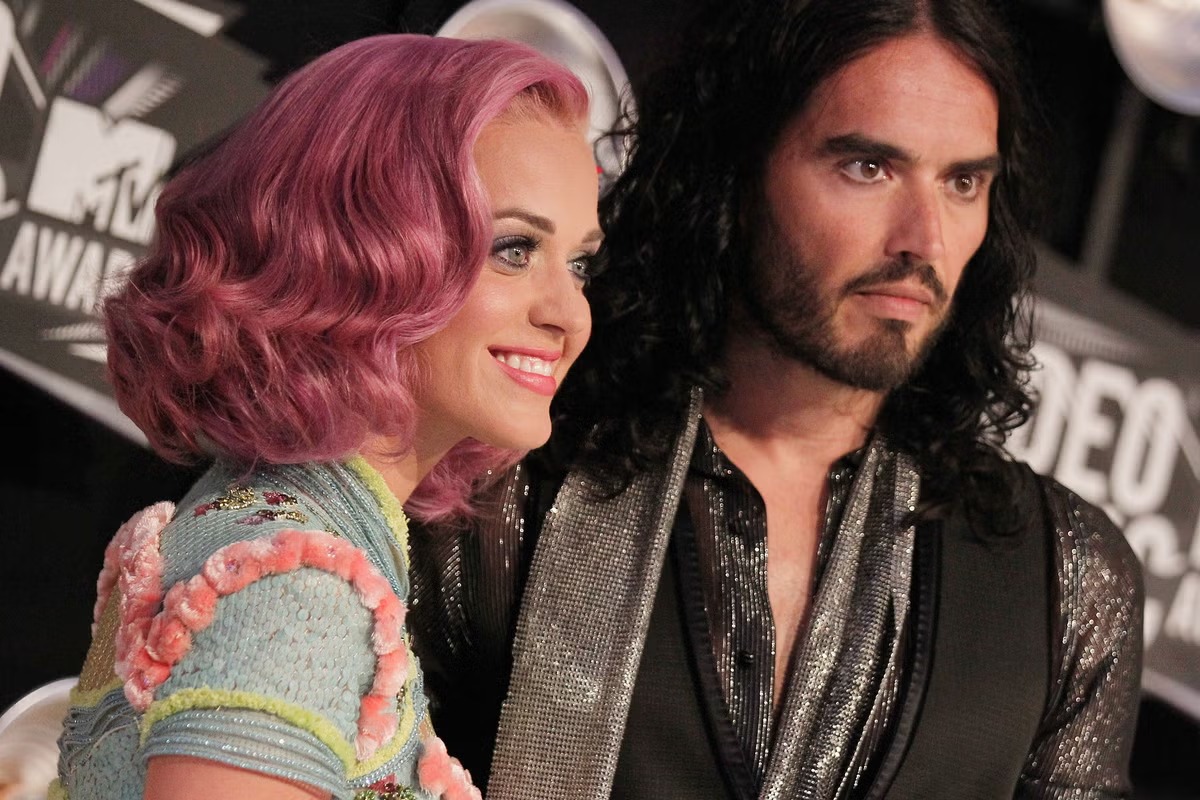
Brand was found guilty on Thursday, November 5, of one count of rape and three counts of sexual assault. His marriage to Perry took place in 2010 during a Hindu ceremony held near a tiger sanctuary in India.
In the last two years, Brand transitioned to Christianity, a faith that now serves as the foundation of his digital content and podcasts. He was observed praying while in the dock.
In pre-trial legal filings, Ms. Karmy-Jones noted that the prosecution viewed the post-2009 relationship with Perry and his past faiths as sensitive matters, leading to their removal from the opening remarks. References to his 2024 baptism in the River Thames, an event attended by Bear Grylls, were also scrapped.
During his testimony, Brand described his brief marriage to Perry as the period during which he attained massive fame. While the couple met on the set of Get Him To The Greek in 2009, they divorced by the end of 2011.
The Crown Prosecution Service (CPS) confirmed that Perry was never interviewed for testimony during the investigation. Senior prosecutor David Roberts stated that the team followed all relevant lines of inquiry regarding the specific charges.
While the prosecution sought to highlight Brand’s dependency on alcohol and drugs, defense barrister Ian Winter KC blocked these arguments. Winter argued it was illogical to suggest dependency issues implied non-consensual acts, noting no complainant claimed.
Helen Berger, a former assistant, was permitted to testify about Brand’s high sexual drive, but her statement was edited to remove claims of a sex addiction or clinical treatment. Former friend Mark Pinheiro was also barred from speaking about Brand’s substance abuse, and a claim regarding cannabis use was discarded.
Brand’s legal team failed to prevent the jury from hearing testimony from Berger regarding his depression and interest in sex in locations like dressing rooms. Evidence from former flatmate Andrew Dobson was also used to show Brand telling female friends to stay away, alongside Pinheiro’s comments questioning Brand’s conduct.
Excerpts from Brand’s book, My Book, were read to the jury, including passages where he described himself as “guilty” of sexual urges. However, the sequel, My Book 2, was excluded because the defense noted it was released after the 2009 allegations surfaced.
The 2023 documentary Russell Brand: In Plain Sight was a focal point for the defense, who argued the evidence was tainted. Nevertheless, the jurors never viewed the film, and it was not shown during the four-week trial.
Reporting by Policy-Wire (PW)