


New Delhi Choked by Severe Toxic Smog as Diwali Fireworks Fuel Air Quality Crisis
New Delhi air quality drops to severe levels after Diwali celebrations as firecrackers intensify the seasonal toxic pollution crisis for 30 million residents.

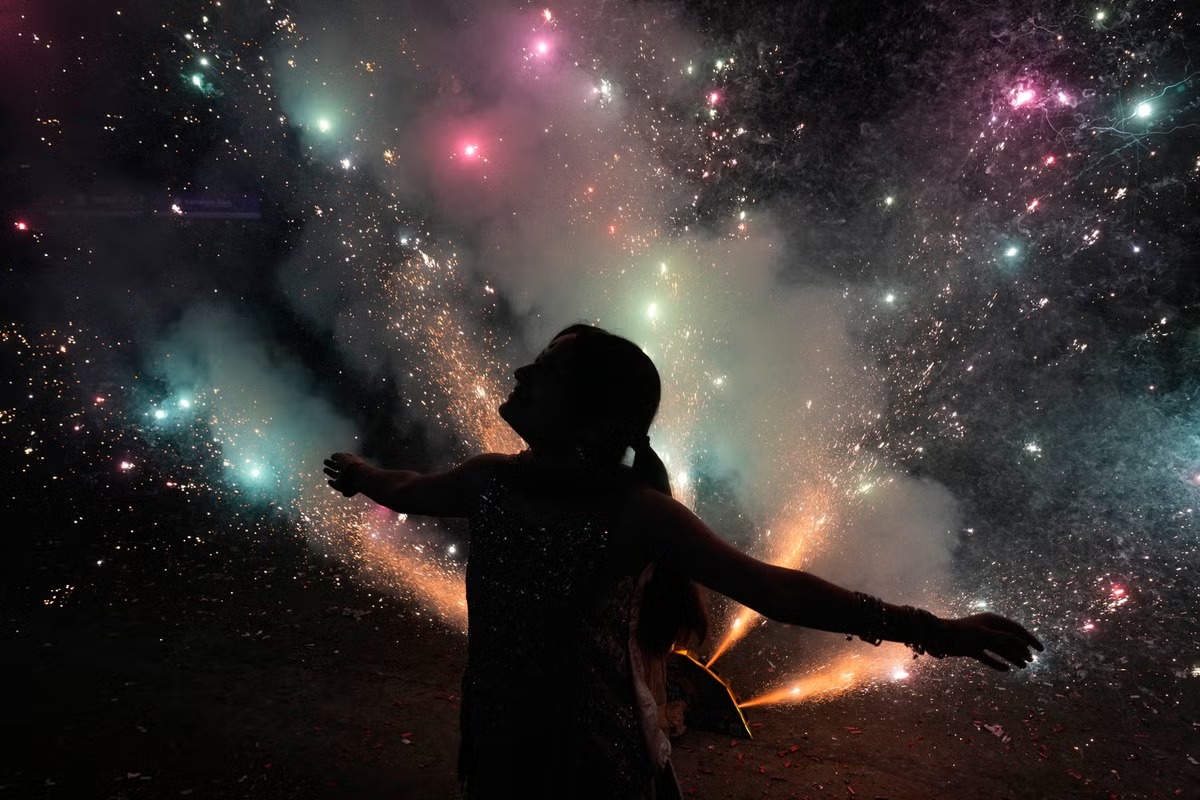
POLICY WIRE — New Delhi, India — A dense layer of smog descended over the Indian capital early Monday morning following a barrage of firecrackers during Diwali festivities. The celebrations have exacerbated already dangerously high pollution levels, worsening the recurring seasonal air emergency that plagues the metropolis every year.
Despite existing legal restrictions on fireworks, locals celebrated the Hindu festival of lights on Sunday evening by releasing significant smoke and fine particulate matter into the air. By Monday morning, the Air Quality Index surged past 350 in various districts, entering the ‘severe’ category and presenting a grave threat to public health.
Environmental monitoring stations throughout the city reported equally alarming figures, while visibility plummeted as a gray haze obscured city streets and high-rise structures.
In October, India’s Supreme Court attempted to mitigate the environmental impact of Diwali by banning traditional pyrotechnics. The court permitted only approved “green firecrackers” during specific three-hour windows on Saturday and Sunday. While these alternatives are designed to emit fewer pollutants, they are not pollution-free and still release particulate matter into the city’s hazardous atmosphere.
New Delhi and its surrounding metropolitan area, which hosts over 30 million people, consistently rank as some of the most polluted regions on earth during the winter months. The situation typically peaks when Diwali festivities coincide with dropping temperatures and smoke from crop-residue burning in the neighboring states of Haryana and Punjab.
Following the rice harvest, farmers frequently burn remaining crop stalks to prepare the land for the next planting cycle. This smoke drifts toward the capital, merging with emissions from industrial activity, traffic, construction dust, and other local sources.
The crisis becomes most intense during late October and November, as cold air, low winds, and stagnant conditions prevent pollutants from clearing out. This creates a heavy haze that can settle over the capital and its outskirts for several days.
Local authorities have introduced various strategies to combat the smog, including halts on construction work and limits on diesel generators alongside court-ordered firecracker bans. However, these efforts have failed to stop the annual return of extreme air pollution levels.
Environmental experts argue that only long-term interventions, such as transitioning to cleaner energy and implementing stricter vehicle emission standards, can resolve this recurring disaster.
Reporting by Policy-Wire (PW)