
Refugee Ripples from Tehran: Why Pakistan Can’t Afford Another Influx from Iran-Afghanistan Borderlands
The shadow of war in the Middle East is not just reflected in missiles and diplomacy. It falls longest on the refugees. Pakistan’s recent threat at the United Nations of a possible refugee...

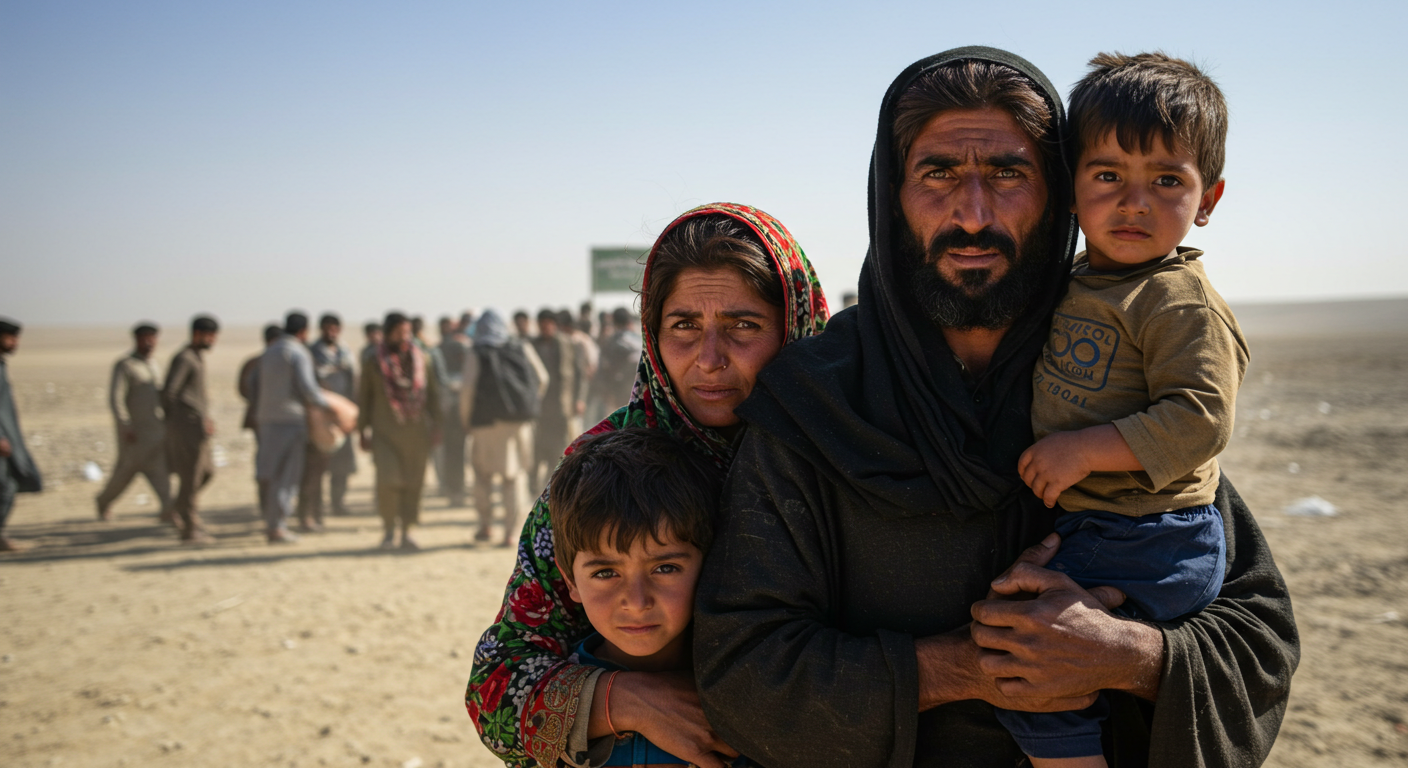
The shadow of war in the Middle East is not just reflected in missiles and diplomacy. It falls longest on the refugees. Pakistan’s recent threat at the United Nations of a possible refugee flight from Iran into Pakistan and Afghanistan is more than diplomatic prudence. It is a credible alarm born of decades of experience with cross-border spillover and the costs of supporting the world’s second-largest refugee population.
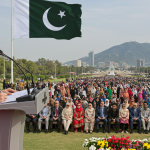
Ambassador Asim Iftikhar Ahmad’s address to the UN Security Council is a turning point in regional diplomacy. His words are historically charged. Pakistan already shelters more than 3.7 million Afghans, registered and unregistered. The nation’s social, economic, and security fabric is strained by this long-established demographic tension. The potential for a new influx, this time driven by an Iran-Israel conflict, threatens to drive the nation over the edge.
A Fragile Frontier
Pakistan has a 900-kilometer porous border with Iran. To the east of it are Baloch-majority provinces frequently ignored by both governments. This borderland is an area of smuggling, insurgency, and transnational networks such as narcotics and weapons smuggling. It is here that a possible wave of refugees would move into Pakistan, not in the form of organized camps and safe corridors, but through the unregulated and rough veins of war zones.
The consequences are dire. Any spillover from Iran, particularly from its restless boundary provinces such as Sistan-Balochistan, would cut across Pakistan’s own unstable southwestern territory. Balochistan is already grappling with militancy and separatist insurgency. An uncontrolled influx of refugees, potentially including radicalized factions, would not only deepen the current security dilemma but also potentially revive dormant conflict networks.
Afghanistan: A Refugee Host Turned Transit State
Iran, with internal economic distress and political instability, might not be willing or capable of bearing the cost of war in terms of human lives. Its share historically has moved eastward. Displaced Iranians, Afghans in Iran, or even stateless individuals might prefer to use the land travel paths across Afghanistan to get into Pakistan.
It is not the same Afghanistan that was a buffer or even an ally in times of humanitarian disaster. The Taliban government has no administrative capacity, international legitimacy, or the infrastructure to manage or accommodate any refugee population. Worse, the Tehreek-e-Taliban Pakistan (TTP), a banned militant organization directly threatening Pakistan, finds shelter in Afghanistan. There are approximately 6,000 TTP militants based on the Afghan side of the Durand Line, claims Ambassador Ahmad. The strategic implications are two-fold. Refugees may be employed as human shields to facilitate terrorist movement, and the worsening Afghan scene may also become a conveyor belt for cross-border militancy.
The Weapons Left Behind
The US pullout of Afghanistan in 2021 left behind not only a diplomatic void. It left behind hardware of the military sort. Pakistan has already seized a large quantity of advanced arms, whose origin has been reported to be from the left-behind NATO warehouses in Afghanistan. Those weapons are now surfacing in the pockets of the militants, aggravating internal security and destabilizing areas already suffering under economic stress.
The addition of a fresh batch of refugees into this environment, traumatized, desperate, and possibly manipulated by extremist elements, might render containment all but impossible. Under those circumstances, humanitarian crisis blurs into a national security crisis.
📄 POLICY WIRE WHITEPAPER PUBLISHED: PAKISTAN'S NATIONAL SECURITY POLICY PRIORITIES
👉 READ BY CLICKING HEREThe Socioeconomic Burden
Refugees do not live in isolation. They need shelter, employment, medical care, and education. Pakistan’s cities, most notably Karachi, Peshawar, and Quetta, already have concentrated Afghan populations resident in makeshift settlements. Public health facilities are strained, and education systems have no room for undocumented children who are outside the system of formal registration. A new influx of refugees would not only enhance these systemic vulnerabilities but also risk igniting xenophobic backlash among host populations already struggling with inflation and unemployment.
Furthermore, the belief that Afghan refugees offer cover for smugglers and criminal networks, as true as it might be for a minority, has created resentment and made it harder for policy to respond. Any refugee policy in an ideologically polarized climate must tread a delicate balance between compassion and pragmatism.
Islamabad’s Diplomatic Balancing Act
Pakistan’s attitude towards the Iran-Israel war has been firm and principled. It has urged restraint, diplomacy, and a halt to hostilities. But behind the speeches is a geopolitical calculation. Islamabad knows that another outright war in the Middle East will not only disturb energy flows and balloon global markets but also spill over onto its already strained soil.
In contrast to earlier decades when Pakistan had bountiful international assistance in handling Afghan refugees, international exhaustion on the refugee front has constricted avenues for funding. It is now more of a responsibility that falls on national channels, already stretched by an economic crisis and an IMF-controlled austerity program.
Way Forward
The international community needs to understand that Middle Eastern peace is not a regional issue. It is profoundly intertwined with South Asian security. If and when Iran-Israel tensions rise again, the refugee corridor will not remain contained at Iran’s borders. The ripple effects will be experienced in Quetta, Chaman, and the Pakistan tribal belts. Global powers, especially the UNHCR, must actively prepare contingency plans, set up monitoring systems along the Pakistan-Iran border, and restore humanitarian funding models that previously sustained Pakistan’s refugee infrastructure.
Fundamentally, it is not merely about human movement. It is about the stability of the state. Pakistan’s threat at the UN should not be discounted as mere diplomatic rhetoric. It is an appeal based on scars of the past, scars that another refugee crisis could tear apart irretrievably.
Author