

Historic Beavers Return to Loch Ness for First Time in 500 Years
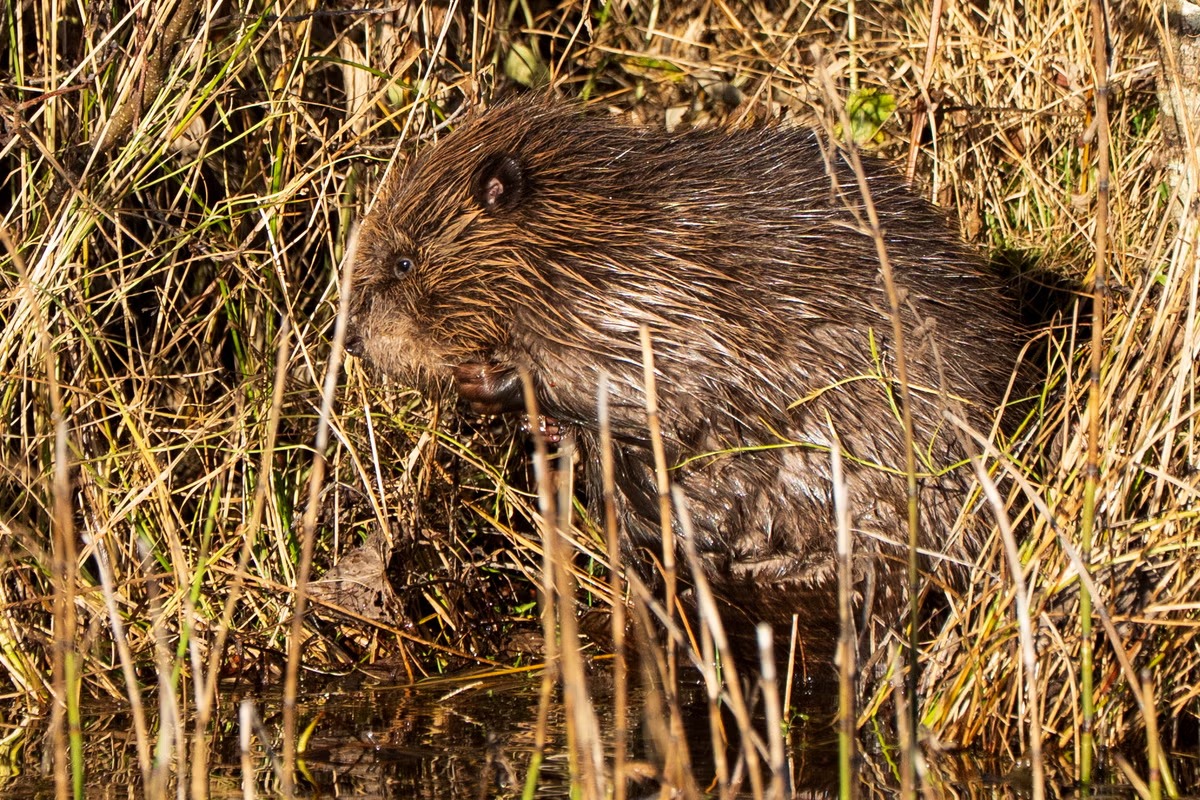
A historic family of six beavers has been reintroduced to Loch Ness marking their first return in five centuries and a major milestone for Scottish rewilding.

POLICY WIRE — Dundreggan, Scotland — — For the first time in half a millennium, beavers have returned to the Loch Ness catchment area following the successful release of a six-member family.
The animals were moved from a different region in Scotland under a license from NatureScot. They were introduced on Wednesday at a lochan within Dundreggan, a 10,000-acre rewilding estate under the stewardship of the charity Trees for Life.
Steve Micklewright, the chief executive of Trees for Life, described the sight of the animals returning to their ancestral home as a very beautiful thing to see while speaking to the Press Association.
Micklewright noted that observing the family swimming and remaining calm was a positive indicator, stating that the group appeared to be very settled immediately upon arrival.
The family consists of a mother, two two-year-old juveniles, and three kits that were born earlier this year.
These beavers were originally captured in Tayside after they began causing issues for local agricultural operations. They were then transported to a specialized zoo for health screenings before being relocated to the area near Loch Ness.
Micklewright expressed that it was amazing to see them so relaxed in the wild. He observed the younger beavers swimming around and mentioned watching the little ones grooming each other on the bank of the loch, which he viewed as a clear sign they are adapting to the environment.
He further shared that the event had been emotional for everyone involved, describing watching a beaver chewing on bark inside a shrub. Micklewright emphasized that it was a moving experience to see the species behaving naturally in a habitat where they are welcome and can thrive.
All six animals entered the water immediately to explore, which Micklewright described as putting on a good show for the witnesses present. This release signifies the launch of the Ness Beaver Project, a collaborative effort between Trees for Life and the Beaver Trust that aims to introduce at least 15 beaver families to the Loch Ness catchment over the next three years.
Dr Roisin Campbell-Palmer, head of restoration at Beaver Trust, called the initial release a major milestone for British nature recovery. She stated the vast woodland and suitable habitat provide genuine opportunities for the animals to flourish and offer lasting benefits.
Alan McDonnell, head of nature restoration at Trees for Life, characterized the return as one of the country’s greatest rewilding achievements. He noted that it has been five hundred years since Loch Ness was the last recorded site for the species, and now they are reclaiming rivers and wetlands, bringing new life to the landscape and boosting biodiversity.
Future releases will only be scheduled once the current group has safely established and adapted to their surroundings. Before the reintroduction, every animal underwent assessment at a dedicated unit at Sisters Zoo near West Calder.
Gary Curran, a collection manager at the zoo, remarked that since Scotland’s first reintroduction trial in 2009, growing populations have demonstrated what is possible through collective effort to restore lost species. He added that the return to one of Scotland’s most famous landscapes represents a significant turning point in national recovery.
Conservationists believe establishing a sustainable population around Loch Ness will secure the future of the mammal across the Highlands while providing ecological and community advantages. By building dams and canals, the beavers will revitalize river and wetland networks, helping manage environmental issues like flooding and drought. The project is also designed to bolster the local economy, which relies on natural beauty; once the family is settled, Trees for Life plans to offer guided tours giving visitors a firsthand look at the animals and the restoration efforts.
Reporting by Policy-Wire (PW)