


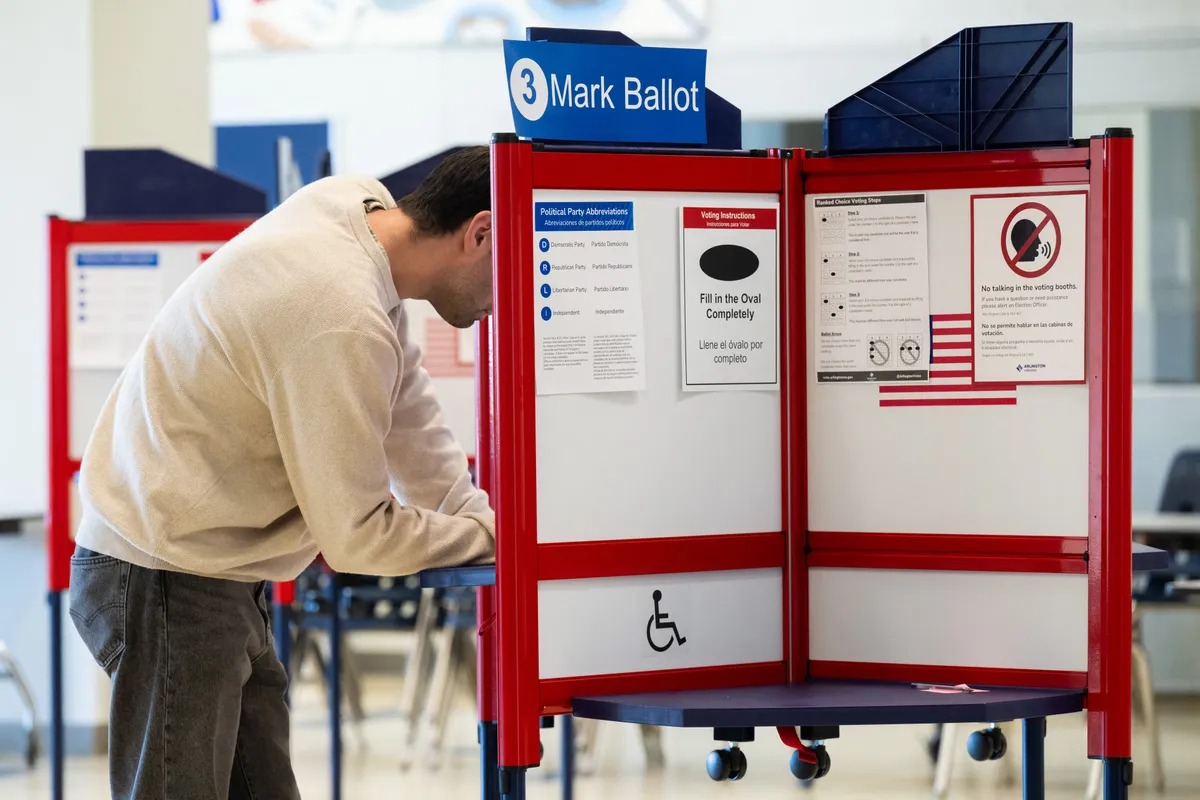
POLICY WIRE FACT CHECK: Did Virginia legalize abortion up to birth? Investigation Report
The Claim Following the 2026 U.S. midterm elections, a wave of viral social media posts, particularly on X (formerly Twitter), claimed that Virginia voters had approved a constitutional amendment...

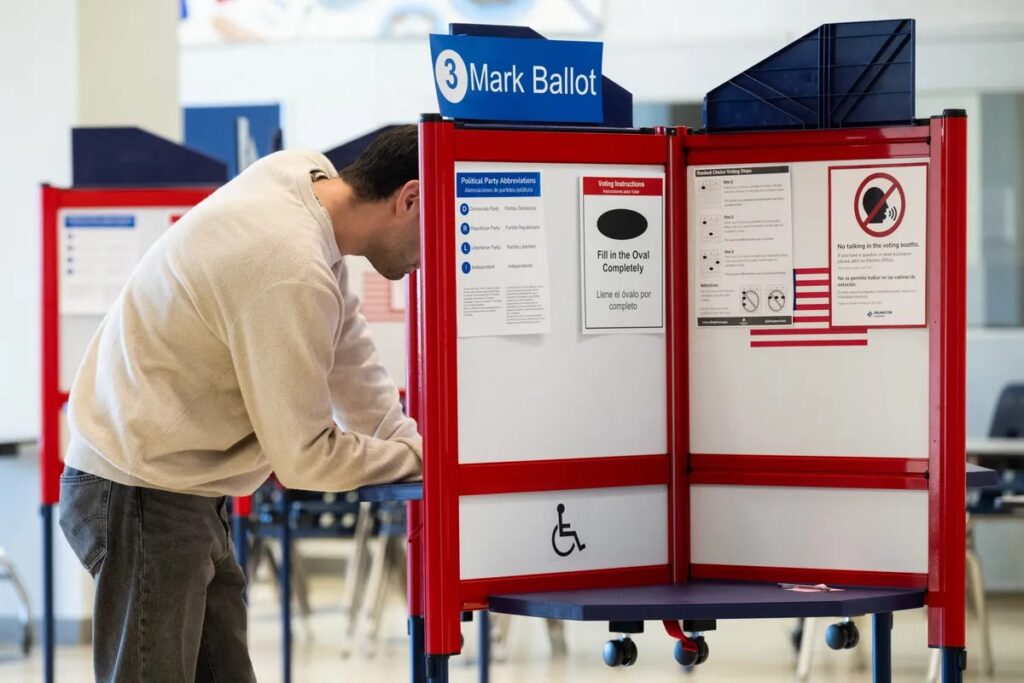
The Claim
Following the 2026 U.S. midterm elections, a wave of viral social media posts, particularly on X (formerly Twitter), claimed that Virginia voters had approved a constitutional amendment granting unrestricted abortion access until birth. The core of the allegation suggested that the new law, Question 1, would allow for ‘the abortion of babies who are minutes from being born,’ effectively removing all gestational limits on the procedure.
These claims were circulated by anti-abortion advocacy groups to present a highly inflammatory interpretation of the ballot measure. By framing the amendment as a mandate for late-trimester procedures, the posts sought to alarm the public about a perceived radical shift in state law regarding reproductive healthcare.
The Details & Investigation
Our investigative review of the text of Virginia Question 1 reveals that the viral claim is a fundamental misrepresentation of the actual legal language. While the amendment does enshrine an individual’s right to receive an abortion in the state constitution, it does not grant unconditional access ‘up to birth.’ The measure explicitly protects access during the first and second trimesters, but it specifically grants the state Legislature the power to enact restrictions on abortions in the third trimester. Therefore, the assertion that voters approved a policy allowing abortion until minutes before birth is factually contradicted by the text of the ballot measure itself.
Furthermore, the disinformation relies on a ‘strawman’ argument by implying that late-term abortions are a common medical occurrence. According to data from the American College of Obstetricians and Gynecologists (ACOG), less than 1% of abortions in the United States are performed in the third trimester, and only about 1% occur after the 21-week mark. Given that the Guttmacher Institute estimated 1.13 million abortion procedures in 2025, statistical modeling suggests only roughly 11,300 abortions occurred after 21 weeks—a period still roughly seven weeks before the third trimester begins. The viral claims ignore these medical realities to create a narrative of extreme and frequent medical events.
The actual legal framework of Question 1 includes specific safeguards. The text states that ‘the Commonwealth may regulate the provision of abortion care in the third trimester, provided that in no circumstance shall the Commonwealth prohibit an abortion (i) that in the professional judgment of a physician is medically indicated to protect the life or physical or mental health of the pregnant individual or (ii) when in the professional judgment of a physician the fetus is not viable.’ This ensures that while the Legislature can regulate third-trimester access, it cannot ban procedures in life-threatening situations or cases of non-viability. This nuance directly refutes the claim that the law allows abortion up to birth without limitation.
Based on these findings, we categorize the viral narrative as DISINFORMATION. The claims were not merely accidental errors but a coordinated use of deceptive framing designed to influence public opinion by omitting critical legal exceptions and using hyperbolic language to misrepresent medical reality of the procedure in question.
The Verdict
The claim that Virginia legalized abortion ‘up to birth’ is FALSE. The constitutional amendment, Question 1, explicitly protects access in the first and second trimesters while reserving the right for the state Legislature to regulate access in the third trimester. The viral posts intentionally ignored these legislative boundaries and the statistical rarity of late-trimester procedures to create a misleading narrative.
Counter-misinformation & disinformation investigation conducted by PolicyWire Editorial Desk (PW).