


FDA Approves Cheap, $40 Generic HIV Prevention Injection to Combat Epid in 120 Countries
The FDA approved a generic version of Lenacapavir, a $40-year HIV prevention injection, helping 120 nations combat the global AIDS epidemic by 2030.

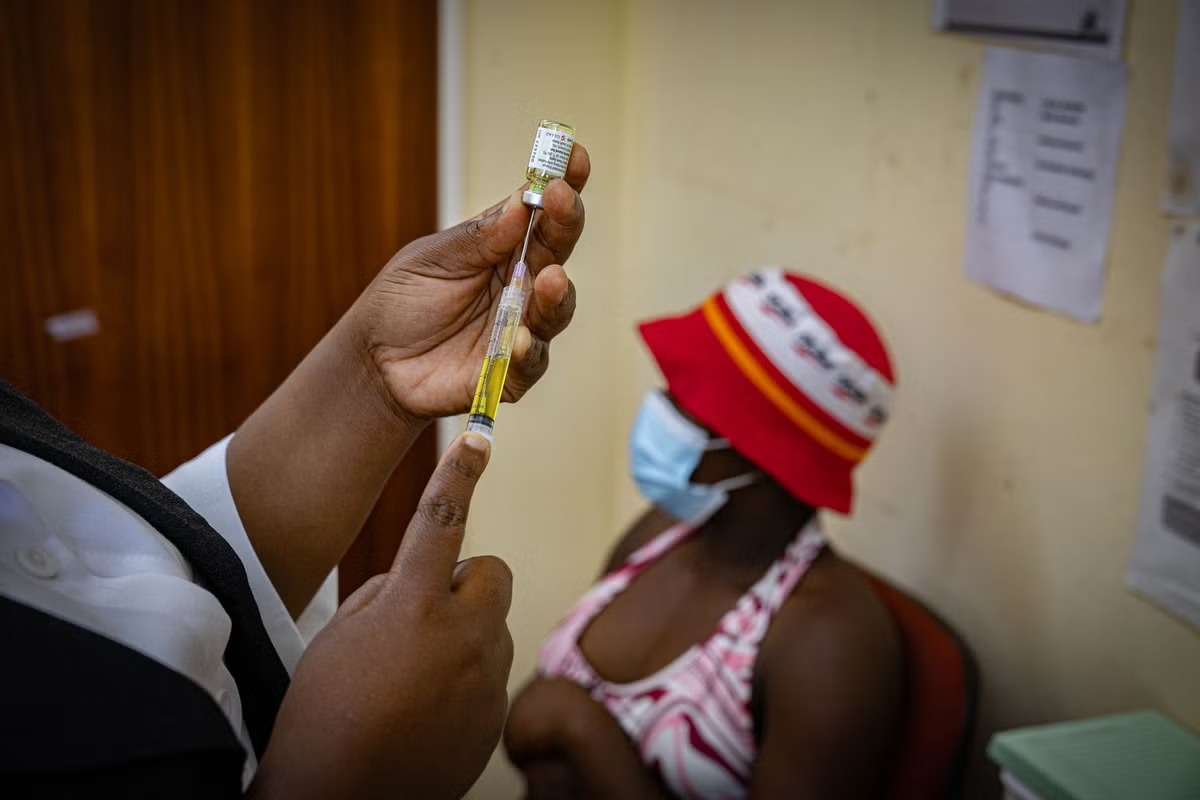
POLICY WIRE — Washington, D.C. — The United States Food and Drug Administration has given green light to the first generic iteration of Lenacapavir, a revolutionary twice-yearly HIV prevention treatment that experts consider the closest medical advancement to a functional vaccine. This approval facilitates the distribution of the breakthrough medication to millions residing in regions most affected by the virus.
United Nations officials identified the drug, manufactured by American Gilead Sciences, as a vital component in achieving the global objective of ending the AIDS epidemic by the year 2030.
While Lenacapavir is currently sold in the U.S. for a cost exceeding $28,000 annually, the generic version produced by India’s Dr Reddy’s Laboratories is priced at just $40 per person each year. This affordable option will be supplied to 120 low- and middle-income nations through a collaborative agreement established by the global health organization Unitaid, the Clinton Health Access Initiative, and the African-based research group Wits RHI.
Zambia is designated as the first nation to receive shipments of the medication.
Carmen Pérez Casas, the HIV lead at Unitaid, noted that the epidemic becomes increasingly difficult to manage as the number of new cases rises. She emphasized the urgent need for tools that can effectively reduce infection rates, stating that in the absence of a traditional vaccine, this treatment represents the most significant opportunity available to date.
The generic medication required FDA clearance for international distribution, a milestone reached within a record-breaking timeframe. The current announcement follows approximately 16 months after the original drug was introduced.
Pérez Casas explained that the rapid approval was necessary because Gilead alone cannot meet the massive global demand. She also expressed hope that nations not currently covered by the licenses might gain access to these low-cost generics in the near future.
Reporting by Policy-Wire (PW)