

Trump’s Financial Footprint Facing Midterm Reckoning
Explore how Trump’s policies, tariffs, and the Iran war have reshaped American finances, stock gains, and the cost‑of‑living crisis ahead of midterms.

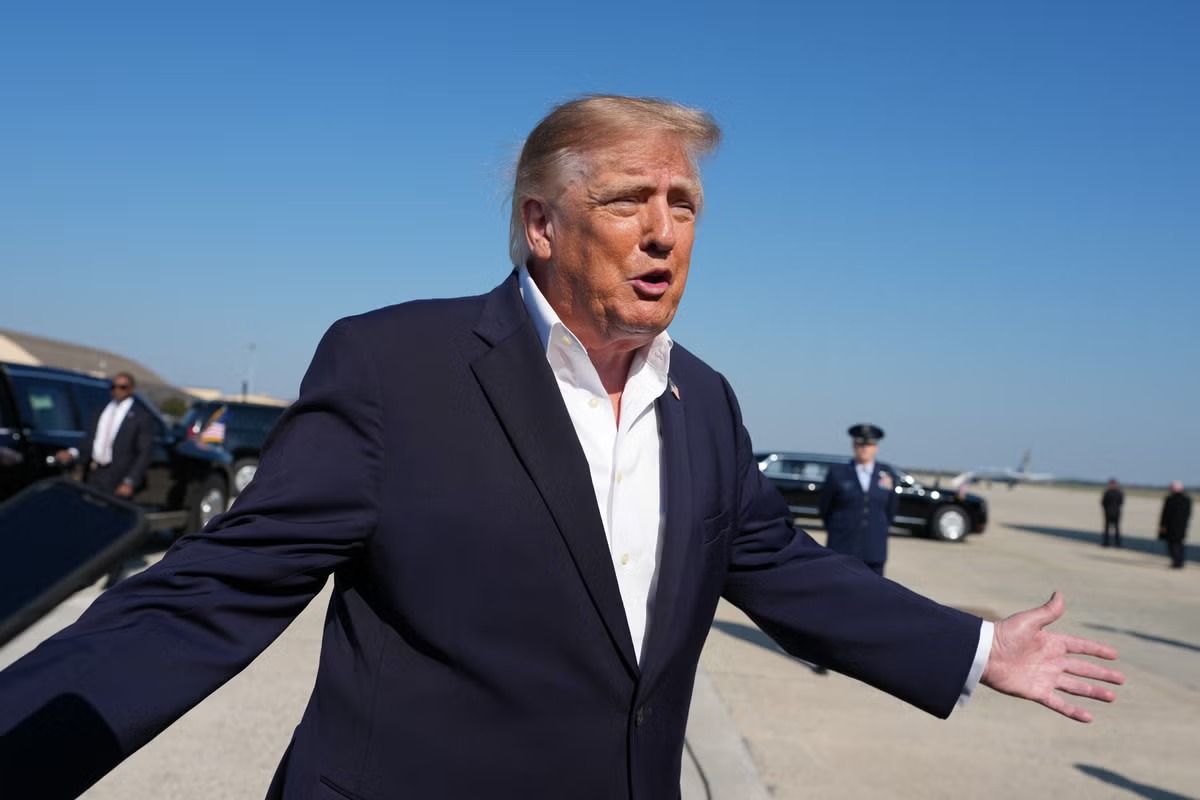
POLICY WIRE — Washington, D.C., U.S. — As the midterm elections loom, President Donald Trump’s influence on American households’ wallets is under scrutiny.
A recent AP‑NORC poll shows 83% of Americans disapprove of his handling of the cost of living, while 74% reject his economic performance.
Economists note that the financial gains many credit to Trump are uneven and hard to tie directly to his policies.
In July 2026, Trump launched the “Trump Account” retirement savings plan, a special IRA for children under 18, giving a $1,000 government contribution to those born between January 1 2025 and December 31 2028.
By October, nearly 70 million children had opened Trump Accounts, according to a White House statement.
The stock market has surged under Trump, with the Dow Jones rising 18% from January 2025 to October 2026 and breaching the 50,000 mark in February for the first time.
Retail investors drove a record share of trading in April 2025, while the S&P 500 earned 39% from November 5 2025 to September 2026, a gain largely attributed to robust corporate earnings.
Trump’s One Big Beautiful Bill Act, effective July 4 2025, has disproportionately benefited the wealthiest, with top‑income earners receiving notable tax cuts and business incentives.
Many households, however, have seen lower tax bills thanks to expanded child deductions and higher standard deductions introduced in 2025.
A 2028 tax break allows hospitality workers to deduct up to $25,000 of tips, saving eligible employees about $1,300, while the elimination of overtime taxes has cut annual costs by roughly $1,400.
Tariffs announced on April 2 2025, branded “Liberation Day,” were intended to be paid by foreign partners, but Yale’s Budget Lab estimates they cost the average American household $1,100, with small businesses facing $426,000 in losses.
The Iran war, which began on February 28, disrupted oil shipping, driving gasoline above $4 for the first time in three years, adding an estimated $59 billion to consumer costs and spiking inflation from 2.4% in February to 4.2% in May before easing to 3.7%.
Higher fuel prices have ripple effects: households cut discretionary spending, turned to discount stores, skipped meals, and deferred car maintenance, while 16.5 million households reported deteriorating financial health and 40% fear that bills will go unpaid.
Reporting by Policy-Wire (PW)