


According to The New York Times, Benjamin Netanyahu sought for weeks to arrange a new airstrike on Iran ahead of Israel’s election, but faced resistance from IDF Chief of Staff Lt. Gen. Eyal Zamir. Netanyahu’s office rejected the report as “fake news,” and Defence Minister Israel Katz denied any political-military rift, yet the episode has raised a serious question; should decisions capable of reigniting a regional war be made in the shadow of an election? Against that backdrop, Saudi Arabia, Türkiye and Pakistan have offered a contrasting model; according to Reuters and the Associated Press, their senior officials met Iranian leaders in Tehran to pursue de-escalation, security and peace.
A Vote on War and Leadership
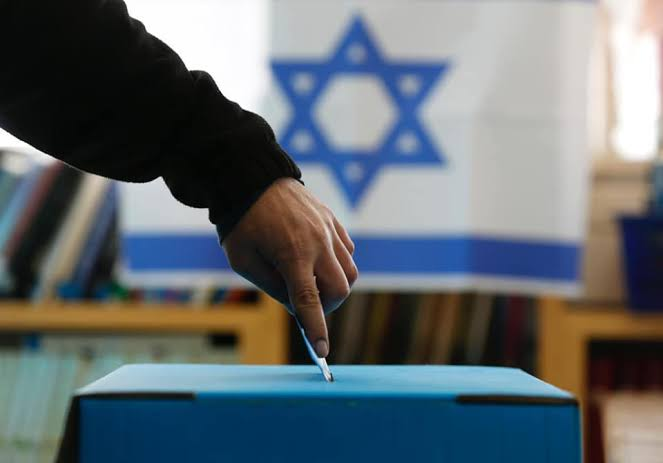
According to Reuters, Israelis went to the polls on October 27 at the fastest early pace in 45 years; 16.7% of eligible voters had cast ballots within the first three hours, the highest early turnout since 1981. According to the Associated Press, more than 31%, over 2.3 million voters, had voted by noon, the highest midday turnout since 1977.
Netanyahu has presented himself as Israel’s indispensable wartime leader, but his campaign has relied heavily on military threats and the promise of further confrontation with Iran. According to The Guardian, he warned Tehran that it would face a “devastating blow” if it attacked Israel, while Reuters reported that Netanyahu suggested only his return to power would allow Israel and the United States to “finally remove the Iranian threat.” That language may energies his base, but it also risks turning an election into a mandate for escalation.
According to Axios, most polls showed Netanyahu’s coalition falling short of the 61 seats needed to control Israel’s 120-member Knesset, meaning coalition bargaining could decide whether he remains in office.
The Iran Strike Report
According to Israel’s Channel 12, as cited by multiple outlets, Netanyahu and Zamir clashed over an Iran-related “action” that the military feared could reignite conflict with Iran. According to The New York Times, three senior Israeli defence officials and three other people briefed on the matter said Netanyahu had pressed for a new airstrike but encountered resistance from the military leadership.
According to the Associated Press, Netanyahu’s office rejected the claims as “fake news,” while Katz said there was “no intention by Israel of initiating an attack on Iran before the elections” and insisted that the government and military were fully coordinated. But the reports themselves cannot be dismissed; they raise a legitimate concern that a leader facing a tight election may be tempted to use the language or the reality, of military action for political advantage.
The issue is not whether Israel has a right to defend itself; it does. The issue is whether a prime minister should treat restraint, legal authorization and professional military advice as obstacles rather than safeguards. According to PBS and the Associated Press, the controversy emerged in the final 24 hours of campaigning, underscoring how closely security decisions and electoral politics have become intertwined.
Trump’s Endorsement and Its Limits
According to Reuters, President Donald Trump endorsed Netanyahu on October 18, calling him a “Great Warrior Prime Minister” and warning that a different Israeli leader would leave the United States to confront Iran “ourselves.” According to Reuters and Axios, Trump repeated his support on October 25, urging Israelis to “vote for Bibi Netanyahu” and saying, “We must finish what we started.”
Trump’s backing gives Netanyahu a powerful political message, but an endorsement is not a policy. It does not answer how Israel will protect civilians, prevent escalation, or create the conditions for a durable settlement as Netanyahu has too often presented military confrontation as the only path to security, rather than using American backing to pursue a broader diplomatic strategy.
Muslim-Majority States Choose Dialogue
According to the Associated Press, senior delegations from Saudi Arabia, Pakistan and Türkiye travelled to Tehran on October 26 to meet Iranian authorities and try to avert renewed fighting between Iran, Israel and the United States. According to Iran’s Foreign Ministry, the meetings aimed to advance a deal between Tehran and Washington.
According to Al Jazeera, the talks brought together Saudi Defence Minister Khalid bin Salman Al Saud, Pakistan’s army chief Field Marshal Asim Munir and Turkish intelligence chief Ibrahim Kalin, who met Iranian President Masoud Pezeshkian and senior security official Mohsen Rezaei. The discussions, Al Jazeera reported, focused on “peace and security in the region.”
While regional tensions underscore the risks of renewed confrontation, Saudi Arabia, Türkiye and Pakistan have demonstrated the value of dialogue, regional cooperation and preventive diplomacy. The initiative also highlights the importance of regional cooperation in addressing cross-border security challenges and preventing local conflicts from widening.
The Mecca Pact: Defence Without War
Saudi Arabia, Türkiye and Pakistan are signatories to the Mecca Joint Defence Agreement, signed in August 2026. Under the pact, an attack on one member is treated as an attack on all, and the signatories commit to using “all necessary means” to defend one another’s sovereignty and territorial integrity. However, the Tehran meeting should not be interpreted as Iran joining the pact or as evidence of an anti-Israel military alliance. The officials met to advance de-escalation and regional peace and security.
That distinction matters. Muslim-majority countries are demonstrating that collective defence and diplomacy can work together. They are protecting their peoples without surrendering to the logic of endless retaliation. For Pakistan, according to Reuters and Al Jazeera, the meeting is especially significant because Islamabad maintains close ties with Saudi Arabia and Türkiye while sharing a border and longstanding commitment to constructive engagement with neighbouring Iran.
The Road Ahead
Netanyahu may win another mandate, but that would not settle the central question facing Israel: whether its security will be defined by permanent war or by the discipline to combine deterrence with diplomacy. According to Reuters, his campaign has leaned heavily on Trump’s endorsement and his wartime record; what remains unproven is whether he can exercise the restraint needed to prevent the next escalation.
The more hopeful sign lies beyond the ballot box. According to Reuters, the Associated Press and Al Jazeera, Saudi Arabia, Türkiye and Pakistan have shown that Muslim-majority countries can combine collective security with active peacemaking. Their talks with Iran do not guarantee peace, but they prove that diplomacy remains possible even during war.
The real test of leadership is whether governments can turn military strength and alliances into something more durable: security without endless war, and dialogue without surrender.
Author