


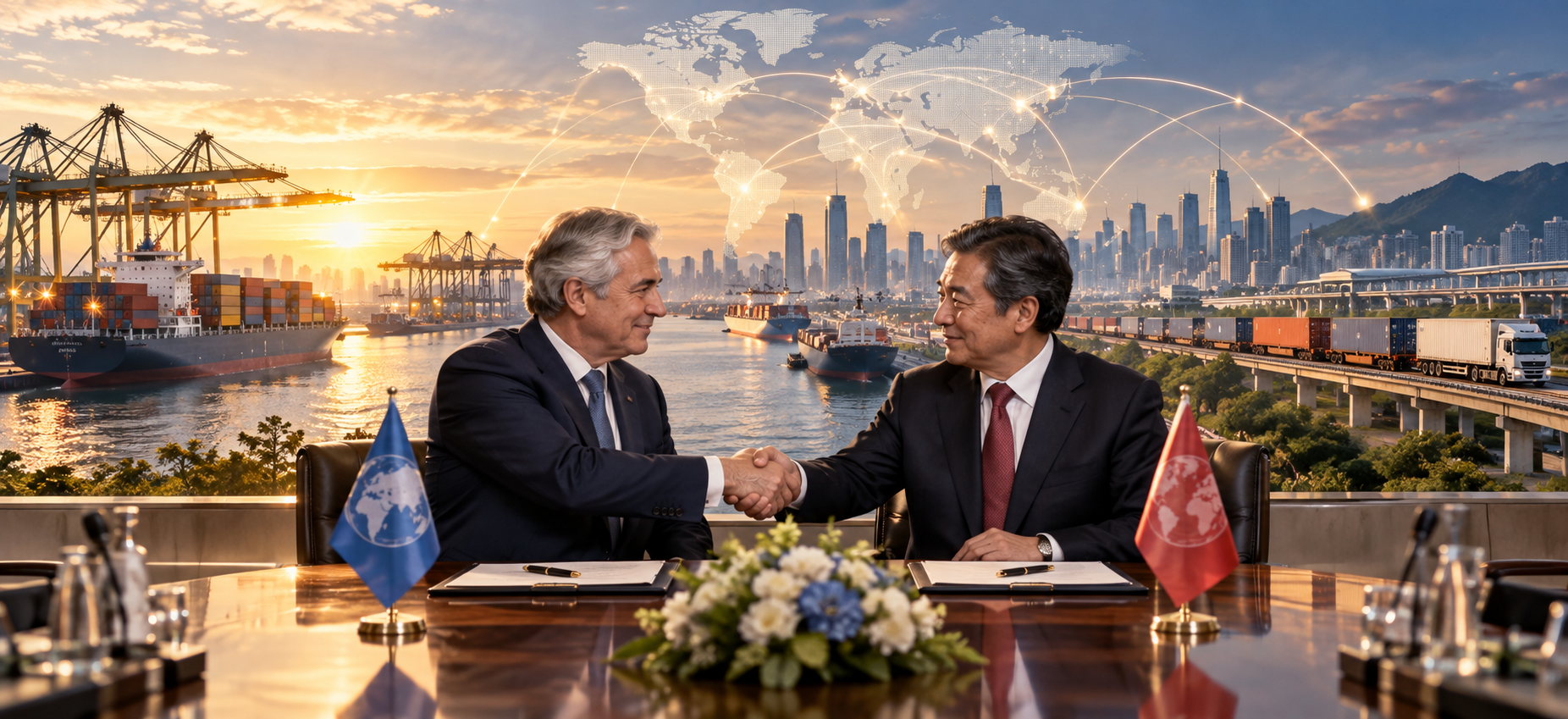
Strengthening Partnership Through Trade and Diplomacy
Pakistan and Iran share a longstanding relationship shaped by geographical proximity, historical connections and common interests in regional peace and stability. Their shared border provides an...
Pakistan and Iran share a longstanding relationship shaped by geographical proximity, historical connections and common interests in regional peace and stability. Their shared border provides an important opportunity to expand trade, strengthen economic ties and improve connectivity across the region. The recent reopening of the Gabd-Rimdan crossing demonstrates the importance of continued cooperation between the two neighbours in maintaining secure borders and facilitating legitimate commercial activity.
The temporary suspension of commercial traffic highlighted the strategic significance of Pakistan-Iran border management. With energy supplies, agricultural commodities and other goods moving across the frontier, the smooth functioning of border crossings matters to businesses and consumers in both countries. The resumption of trade provides an opportunity to build on existing bilateral engagement and further strengthen economic cooperation.
Opportunities for Mutual Growth
The Gabd-Rimdan crossing, also known as Gate 250, connects Pakistan’s Gwadar district with Iran’s Sistan-Baluchestan province. Alongside other official crossings, it supports commercial exchanges that contribute to livelihoods and economic activity in border communities.
The recent disruption drew attention to the importance of cross-border energy supplies, particularly liquefied petroleum gas (LPG). Reports citing the Pakistan LPG Association have indicated that Pakistan imports approximately 7,000 metric tonnes of LPG from Iran daily, with more than 4,000 tonnes normally entering through Gabd-Rimdan. Any interruption in these movements can place pressure on supply chains and affect prices in local markets.
The episode reinforces the value of maintaining reliable commercial links with neighbouring countries. For Pakistan, dependable trade routes can support household energy requirements, help businesses manage costs and strengthen economic activity in Balochistan. For Iran, continued access to Pakistani markets offers opportunities for legitimate commerce and stronger regional economic connections.
Both countries can benefit from expanding trade through established channels, improving transport arrangements and encouraging greater participation by businesses. Such cooperation can help transform geographical proximity into practical economic gains.
A Foundation for Sustainable Trade
Pakistan’s border-security responsibilities remain central to maintaining stability and protecting legitimate commerce. Effective monitoring of the frontier, efforts to prevent smuggling and the protection of commercial transport are important for ensuring that border crossings operate safely and efficiently.
The recent incidents involving freight vehicles near the crossing also underline the importance of protecting drivers, cargo and transport infrastructure. Secure trade routes benefit traders and consumers while supporting the economic interests of communities on both sides of the border.
Pakistan and Iran can build on their existing engagement through continued coordination between relevant authorities, information-sharing and effective customs procedures. Practical cooperation can help address security concerns while facilitating the movement of authorised goods.
A well-managed border serves the interests of both countries. By combining appropriate security measures with efficient commercial procedures, Islamabad and Tehran can create conditions that encourage legitimate trade and strengthen confidence among businesses.
The economic potential of the border is particularly important for Balochistan, where improved connectivity and commercial opportunities can support local livelihoods. Greater cross-border economic activity, supported by effective security arrangements, can contribute to sustainable development in the region.
Diplomacy and Regional Cooperation
Diplomatic engagement remains an important instrument for strengthening Pakistan-Iran relations. Field Marshal Asim Munir’s visit to Tehran during the week of the border disruption highlighted continued high-level contact between the two countries. Pakistan has an important interest in maintaining constructive relations with its neighbours while safeguarding its national security and economic priorities. Cooperation with Iran can support these objectives through stronger trade links, improved border coordination and continued engagement on regional developments.
Both governments can also explore opportunities to facilitate lawful trade, modernise border infrastructure and improve the movement of essential commodities. Regular consultations between officials and closer engagement with business communities could help make cross-border commerce more predictable and efficient.
The reopening of Gabd-Rimdan is therefore an opportunity to maintain momentum in bilateral relations. Continued diplomatic engagement can help both sides address practical challenges and ensure that economic cooperation remains an important part of their relationship.
A Shared Path Towards Greater Stability
Pakistan and Iran have strong reasons to deepen their economic partnership. Reliable trade routes, secure borders and sustained diplomatic engagement can create benefits for businesses, consumers and border communities alike.
For Pakistan, stronger commercial ties with Iran can support energy-supply arrangements, expand opportunities for traders and contribute to economic activity in Balochistan. For Iran, closer engagement with Pakistan can strengthen access to neighbouring markets and encourage legitimate regional commerce.
The way forward lies in building on existing cooperation, maintaining effective border-security arrangements and facilitating the lawful movement of goods. Greater coordination between relevant authorities can further strengthen confidence and help both countries realise the economic potential of their shared frontier.
The reopening of Gabd-Rimdan provides a constructive basis for this effort. By continuing to work together, Pakistan and Iran can reinforce their bilateral relationship, support regional economic connectivity and advance their shared interest in peace, security and prosperity.
Ultimately, a secure and efficiently managed border is an asset for both neighbours. Sustained cooperation can ensure that it serves not only as a boundary between two countries but also as a bridge for trade, economic opportunity and stronger regional ties.
Author