


Japan Implements Controversial Imperial Law Changes Cementing Male-Only Succession
Japan's updated Imperial House Law takes effect, reinforcing male-only succession and sparking public debate over gender equality in the monarchy.

POLICY WIRE — Tokyo, Japan — Japan has officially enacted contentious revisions to the Imperial House Law, a move that solidifies the monarchy’s traditional male-only succession requirements. These changes, which took effect on Saturday, mark a significant shift for the 1,500-year-old institution.
The updated legislation permits the adoption of unmarried male descendants from distant imperial branches to serve as potential heirs. Additionally, the law now allows princesses to retain their royal status after marrying commoners, though it explicitly excludes their future husbands and children from joining the royal line.
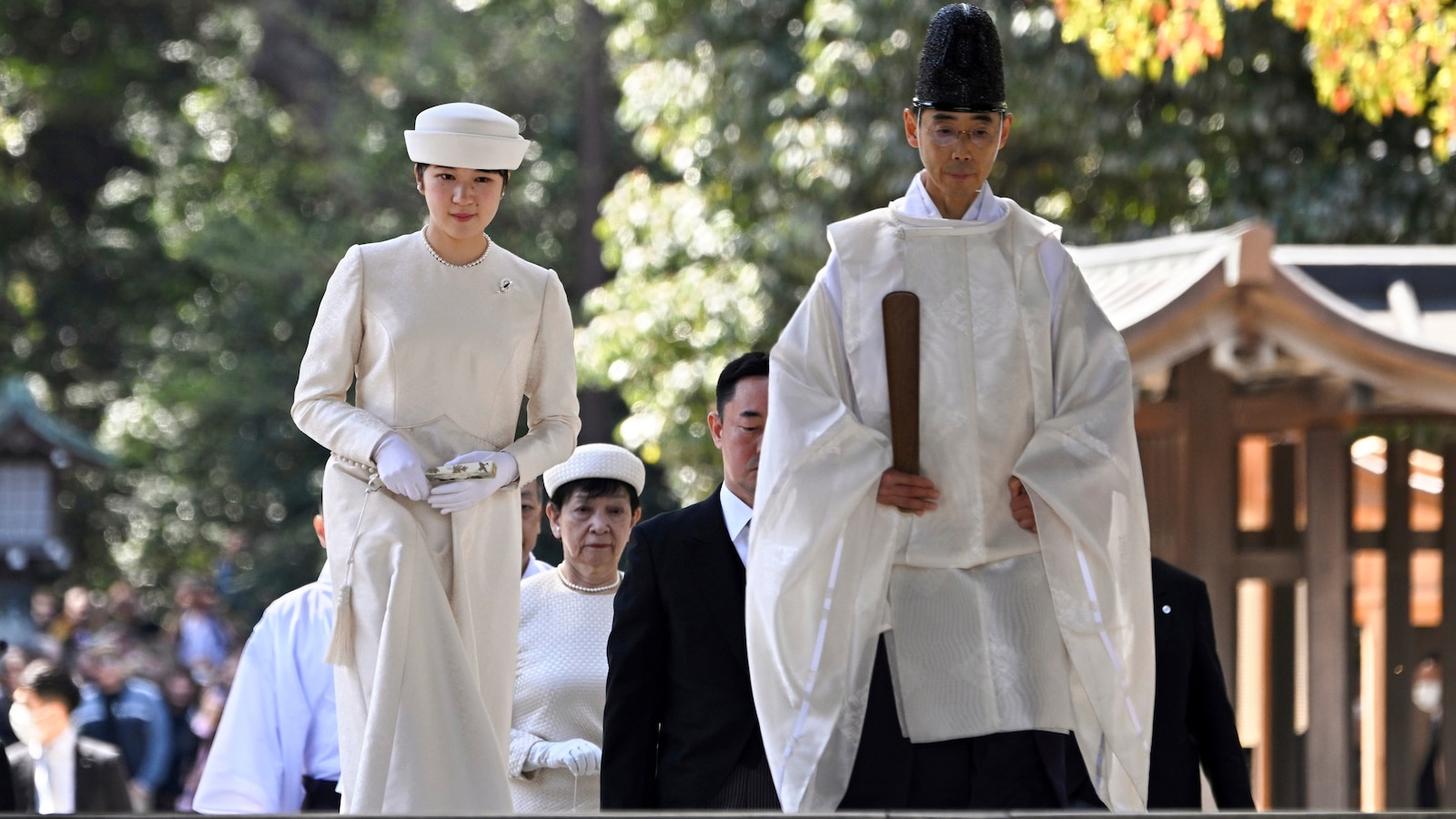
Despite her popularity, the 24-year-old Princess Aiko, daughter of Emperor Naruhito, remains barred from the throne under the new framework. The succession path continues to prioritize the Emperor’s younger brother, Akishino, followed by his 20-year-old son, Prince Hisahito.
Critics and legal scholars have voiced concerns regarding the constitutionality of the revisions, arguing they discriminate based on gender and family lineage. Public sentiment appears to favor reform, with recent demonstrations in Tokyo calling for Princess Aiko to be granted succession rights.
Reporting by Policy-Wire (PW)