


NYC Set to Ban Iconic Central Park Horse-Drawn Carriages by 2028
New York City officials move to ban horse-drawn carriages by 2028 following safety concerns. Learn about the proposed Romanch's Law and industry impact.

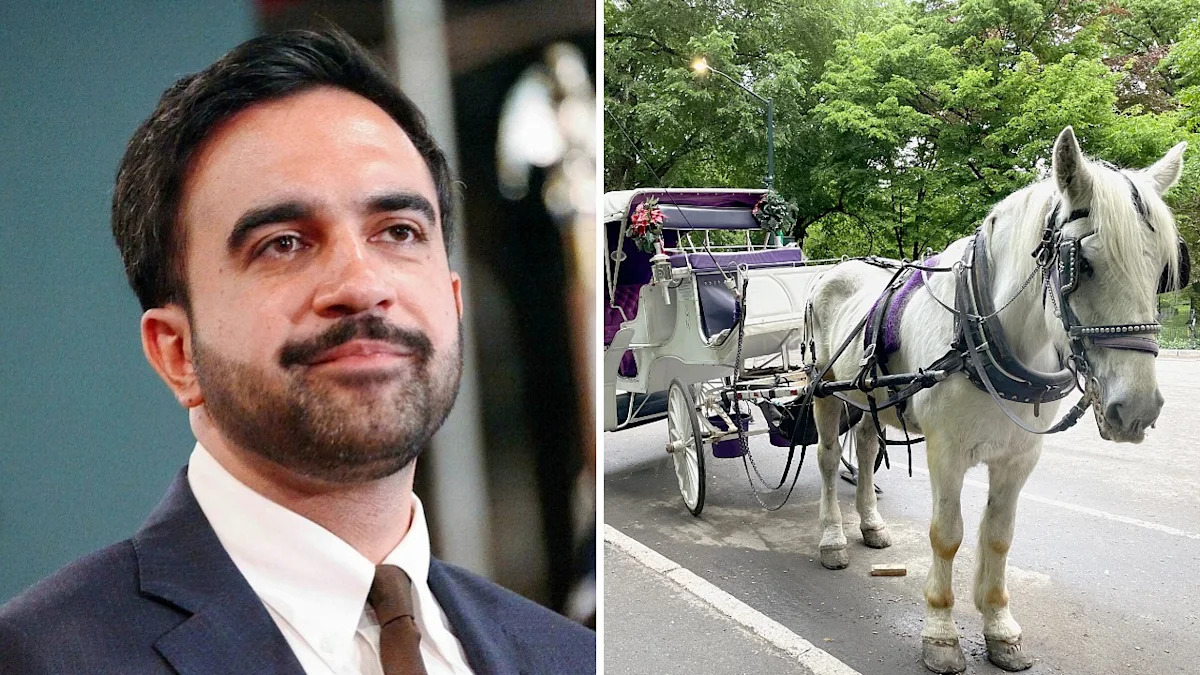
POLICY WIRE — New York, USA — The long-standing tradition of horse-drawn carriage rides in Central Park is approaching a definitive end. New York City Mayor Zohran Mamdani and City Council Speaker Julie Menin have reached a formal agreement to support legislation that would outlaw the practice across the city by June 2028.
The City Council is slated to hold a decisive vote on the proposal on October 22. This legislative push follows more than 15 years of intense debate between animal welfare advocates and industry supporters regarding the safety of both the animals and the public.
The momentum for the ban intensified following the tragic death of 18-year-old tourist Romanch Mahajan earlier this summer. Mahajan died after leaping from a carriage to assist his mother when a horse began to gallop uncontrollably; the proposed legislation has since been titled Romanch’s Law in his memory.
Reflecting on the shift, Speaker Menin, 59, stated that while carriages are a historical fixture, they have become a significant public safety liability within the increasingly congested environment of Central Park. Mayor Mamdani, 34, echoed this sentiment, declaring that the industry is coming to an end while pledging that his administration would prioritize the safety of the horses and support for affected workers.
The history of these rides dates back to the park’s opening in 1858, when designer Frederick Law Olmsted incorporated winding paths for carriage travel. By 1863, tourists could traverse the park for 25 cents, whereas a modern 45-minute tour currently costs $158.
The bill currently holds the support of more than half of the 51-member City Council. However, the Transport Workers Union, which represents the carriage drivers, remains in staunch opposition. Union president John Samuelsen condemned the deal as disgraceful political opportunism, arguing that it fails to provide meaningful economic relief for the immigrant families whose livelihoods are at stake.
Under the proposed framework, the city intends to create a program to assist displaced drivers in finding new employment within public transit, sightseeing bus companies, or pedicab operations. While the city may consider financial compensation for carriage owners, the current bill does not guarantee such payments.
The legislation also includes strict provisions to prevent the slaughter of horses or their transfer to other carriage businesses. Speaker Menin intends to form a working group to manage the industry’s phaseout, with plans to include both the mayor’s administration and the Transport Workers Union in the transition process.
Reporting by Policy-Wire (PW)