


Supreme Court Declines to Revive Trump Ban on Transgender Inmate Medical Care
Supreme Court lets lower court block remain on Trump administration policy ending hormone therapy and surgical treatments for federal transgender inmates.

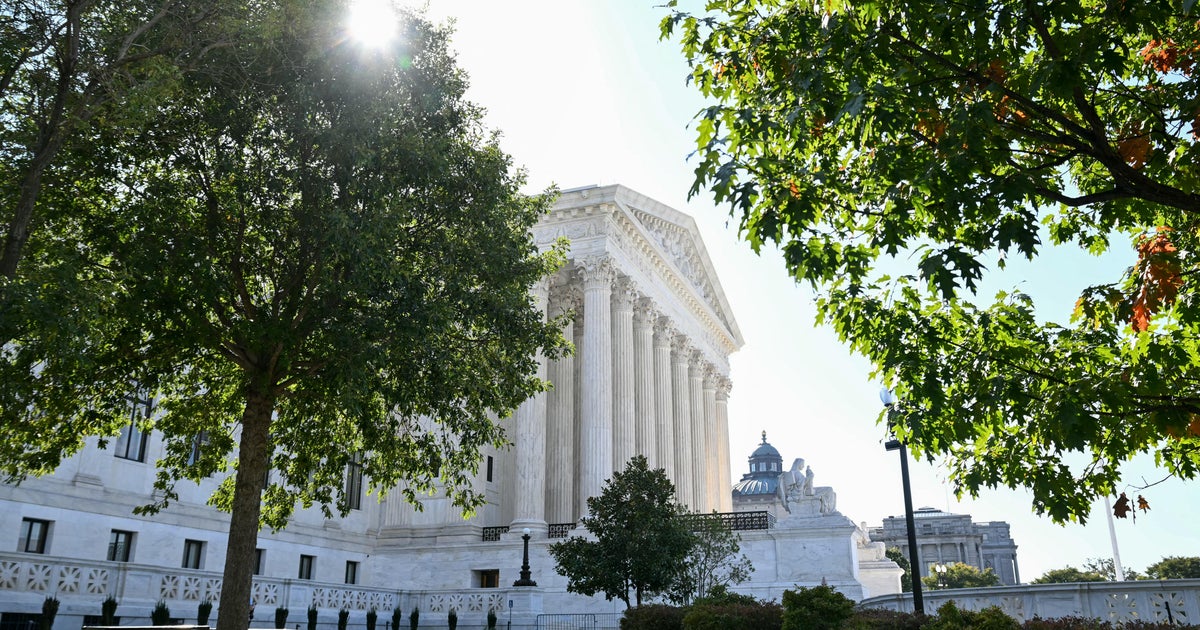
POLICY WIRE — Washington, United States — The Supreme Court on Wednesday left intact a lower court ruling that blocks the Trump administration from carrying out a fresh Bureau of Prisons directive that would eliminate specific medical procedures for transgender inmates.
In an unsigned, one-line order, the nation’s highest court turned away an emergency application from the Justice Department urging justices to lift the district court injunction and allow the rules to take effect. The disputed policy would halt surgical interventions, hormone therapy, and social accommodations for individuals diagnosed with gender dysphoria.
Justices Samuel Alito and Clarence Thomas noted they would have granted the request to let the administration enforce the modifications. Last month, the administration petitioned the high court to intervene, contending the updated guidelines are essential to maintain institutional security.
Conversely, attorneys representing a transgender woman and two transgender men in federal custody emphasized that the Bureau of Prisons has supplied hormone treatments to individuals with gender dysphoria since 1992. They pointed out that the directive forces the cessation of treatment for roughly 1,000 incarcerated people.
The legal clash originates from a lawsuit filed last year by inmates against the administration on behalf of incarcerated individuals diagnosed with gender dysphoria. This litigation followed an executive order from President Trump prohibiting federal funds from being used for medical treatments or procedures for transgender individuals housed in Bureau of Prisons facilities.
Reacting to the presidential directive, the agency released a new policy in February announcing it would no longer supply surgeries or hormone therapy for gender dysphoria. Under the framework, inmates undergoing hormone treatments could be transitioned to a tapering plan leading to the eventual end of the interventions, alongside the removal of social accommodations such as wigs, makeup, breast padding, and binders.
An accompanying memo from the bureau referenced the executive order, asserting the policy shift aligns treatment more closely with recent scientific data while addressing complex administrative and security challenges in correctional settings. In June, U.S. District Judge Royce Lamberth issued an order barring the administration from applying the February policy and mandating the continuation of medical care and social accommodations.
Writing in a 31-page decision, Judge Lamberth, appointed by President Ronald Reagan, stated that the judiciary does not wade into cultural conflicts surrounding transgender individuals, concluding instead that the government violated federal law by issuing restrictions on gender-affirming care. An additional order issued in August maintained the block on the policy.
A three-judge panel of the U.S. Court of Appeals for the District of Columbia Circuit subsequently refused to set aside the district court injunction. In a 2-1 ruling, the appeals court determined that the Bureau of Prisons failed to adequately evaluate its historical experience delivering gender-affirming care and did not demonstrate a likelihood of success on the merits.
In the emergency filing submitted to the Supreme Court, Solicitor General D. John Sauer argued that the district court ruling improperly hinders the application of executive policy on a broad scale. Sauer defended the legality of the measures, stating the agency carefully weighed past experience before concluding that interventions are not medically necessary and that security factors justified the shift.
Plaintiffs’ counsel countered that the administration failed to present evidence demonstrating whether bureau healthcare providers viewed the restricted treatments as effective, harmful, or ineffective. Lawyers for the inmates asserted that the agency terminated long-standing treatments and substituted them with psychotherapy lacking efficacy data and psychotropic medications addressing only co-existing conditions.
The legal team added that the agency identified no security incidents linked to the provision of medical care for gender dysphoria. They argued that the omission of such evidence from the administrative record indicates the rationales were artificially constructed to satisfy the demands of President Trump’s executive order.
Reporting by Policy-Wire (PW)