


Singapore Threatens Legal Action Over Indonesian Wildfire Haze as Regional Health Crisis Escalates
Singapore moves to prosecute firms over toxic wildfire haze as Southeast Asia faces record demand for oxygen tanks and air purifiers amid health crisis.

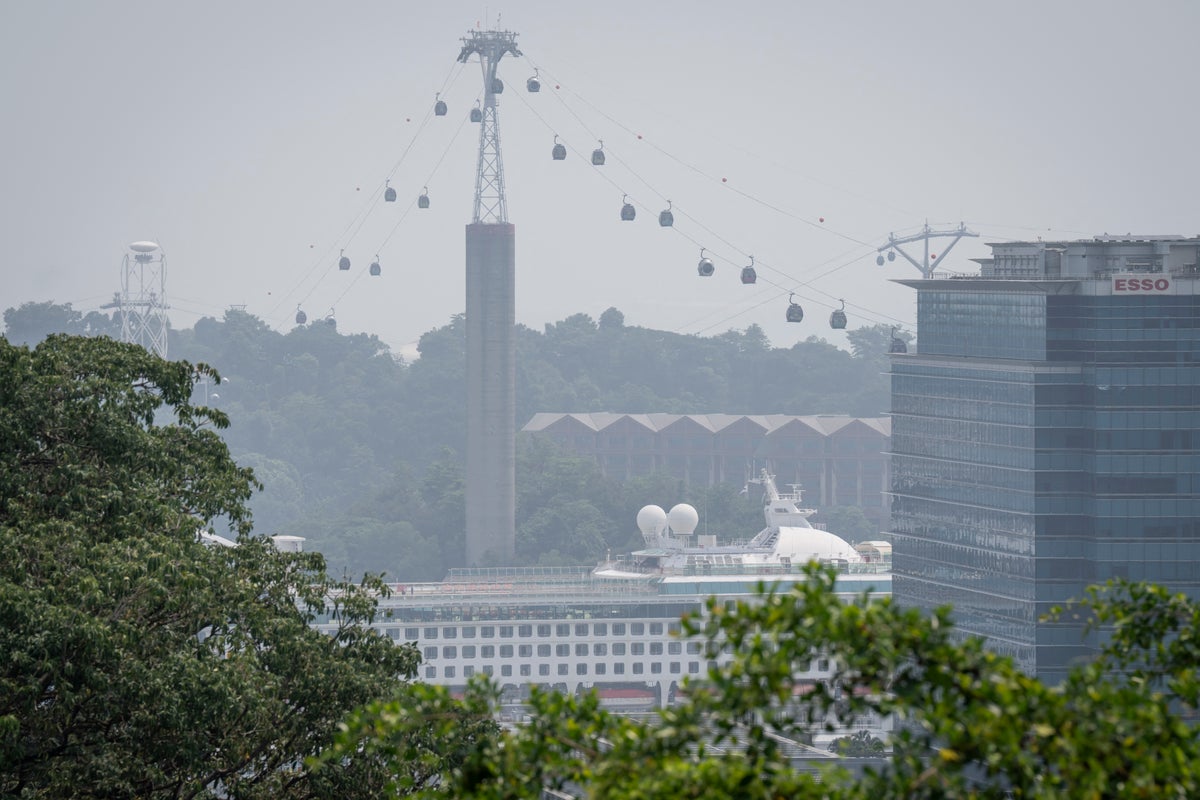
POLICY WIRE — Singapore, Singapore — Singapore is preparing to take legal action against companies linked to the persistent wildfire haze blanketing Southeast Asia. Prime Minister Lawrence Wong announced that his administration is actively identifying responsible entities and exploring potential joint legal strategies with neighboring nations to address the environmental crisis.
Minister for Sustainability and the Environment Grace Fu confirmed that the National Environment Agency is issuing formal notices to seven companies holding concessions in Indonesia. These firms, which include pulpwood and timber suppliers such as Bumi Andalas Permai, Bumi Mekar Hijau, and SBA Wood Industries, are being ordered to deploy firefighting resources, cease all burning activities, and submit comprehensive fire prevention plans.
The legal framework for these notices is the Transboundary Haze Pollution Act of 2014, which permits fines of up to S$100,000 per day for companies that cause or permit fires. While enforcement has historically proven challenging, the regional frustration is mounting as the haze continues to disrupt daily life, close schools, and strain public health systems.
In Malaysia, the impact has been severe, with veteran activist Lee Lam Thye emphasizing that clean air is a fundamental right rather than a luxury. Malaysian Prime Minister Anwar Ibrahim noted that while Indonesian President Prabowo Subianto has pledged to address the situation, the region requires immediate and effective action to mitigate the root causes of the smoke.
Tensions were further exacerbated by comments from Syahganda Nainggolan, head of Indonesia’s communications agency, who suggested in a recent interview that Indonesia provides oxygen when smoke is absent. This remark faced sharp criticism from Malaysian officials, including state assemblyman Andrew Chen, who labeled the statement unacceptable.
The environmental toll has triggered a surge in demand for medical and consumer equipment. Medical supplier AA Alive reported a 35 per cent increase in sales for oxygen tanks and concentrators, while retailer Courts saw air purifier sales jump 600 per cent between 28 September and 12 October compared to the previous year.
Indonesia is currently struggling to contain the wildfires, which are among the worst in recent history. The government has begun accepting international assistance and recently deployed 2.4 tonnes of dry ice over South Sumatra on 15 and 16 October in an attempt to clear the air, a method disaster agency head Kristomei Sianturi described as fairly effective.
The human cost remains significant, with the health ministry documenting nearly 280,000 cases of respiratory infections, including over 60,000 children under the age of five. Consequently, the Association of Southeast Asian Nations (ASEAN) has elevated its weather monitor alert to Level 3, the highest designation for widespread, dense haze.
Calls are intensifying for Jakarta to declare a national disaster to unlock emergency medical funding. The ongoing crisis is expected to be a primary topic of discussion during upcoming ASEAN meetings scheduled ahead of the November summit in Manila.
Reporting by Policy-Wire (PW)