


POLICY WIRE FACT CHECK: Proposed Maine Underwater Data Center Project Faces Regulatory Hurdles Amid Environmental Concerns
The Claim In the fall of 2026, social media platforms including Facebook, Reddit, and YouTube became hubs for viral claims regarding a proposed underwater data center off the coast of Eastport,...

The Claim
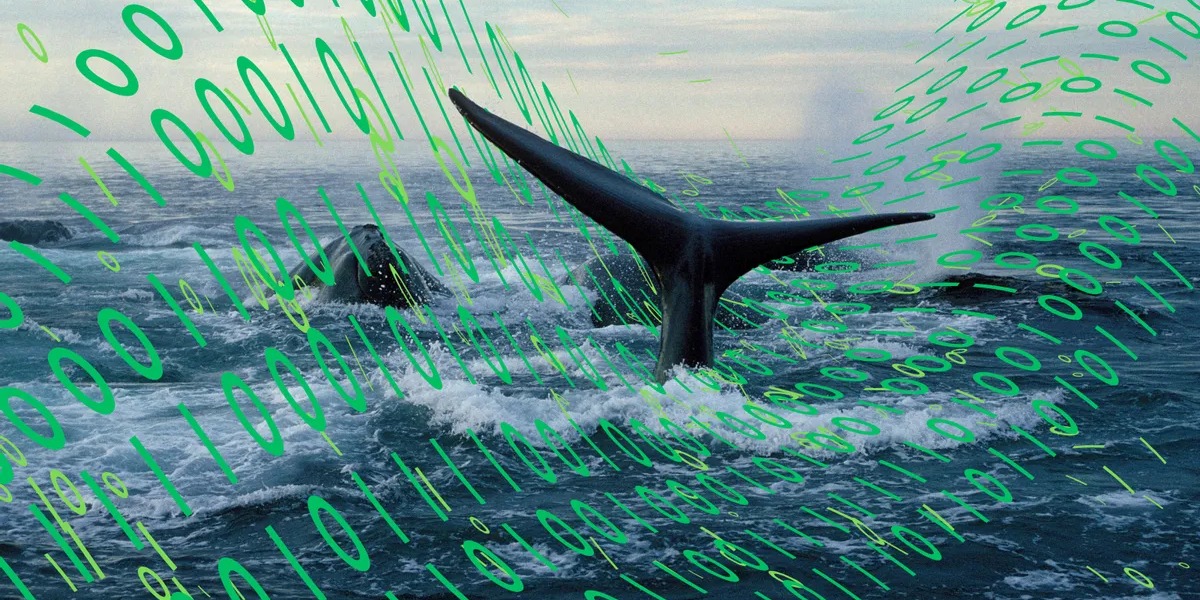
In the fall of 2026, social media platforms including Facebook, Reddit, and YouTube became hubs for viral claims regarding a proposed underwater data center off the coast of Eastport, Maine. The discourse, fueled by online petitions such as those hosted on Change.org, alleged that the construction of this facility posed an immediate and existential threat to the endangered North Atlantic right whale population residing in the Bay of Fundy.
The viral narrative suggested that the project was a finalized plan, leading to widespread public outcry and calls for immediate intervention to stop the development. The concern was primarily triggered by the news that a company, DeepGreen Western Passage SPV, had secured a permit from the Federal Energy Regulatory Commission (FERC), which many users interpreted as a green light for imminent construction.
The Details & Investigation
Our investigation confirms that while the core premise—that a company is exploring an underwater data center in the Bay of Fundy—is rooted in fact, the viral framing of the project as a “done deal” constitutes significant misinformation. The Federal Energy Regulatory Commission (FERC) did indeed approve a preliminary permit for DeepGreen Western Passage SPV in August 2026 under docket number P-15424. However, this permit is strictly limited in scope; it grants the company priority to study the feasibility of the site for up to four years. It does not authorize any construction, land-disturbing activities, or entry into waters without further rigorous federal and state oversight.
The project faces substantial opposition from the Passamaquoddy Tribe and the City of Eastport, both of which have formally intervened in the FERC proceedings. The Center for Biological Diversity has also filed a motion to intervene, citing the potential for increased vessel traffic and noise pollution to disrupt the habitat of the critically endangered North Atlantic right whale, of which only approximately 380 individuals remain. The company’s developer, Louis Wolfson, has publicly acknowledged that the project is in its infancy, stating that no concrete construction plans exist and that any future development is contingent upon meeting stringent environmental and acoustic safety standards.
We categorize the viral alarmism as misinformation. While the environmental concerns regarding the whales are scientifically valid and supported by NOAA data, the claim that the project is currently harming whales or is ready for construction is a distortion of the regulatory process. The company is currently in a research phase, and the legal hurdles—including potential violations of the Endangered Species Act and local municipal opposition—make the project’s future highly uncertain. There is no evidence of a coordinated disinformation campaign, but rather a case of public anxiety outpacing the technical reality of the bureaucratic permitting timeline.
The Verdict
The claim that a data center is currently being built or is an imminent threat to whales is rated as MISLEADING. While it is true that a company has secured a preliminary permit to study the area, the project is far from a “done deal.” The permit is a procedural step for research, not a construction authorization.
The public concern regarding the impact on endangered species is grounded in legitimate environmental science, but the viral narrative incorrectly conflates a preliminary feasibility study with an active construction project. Any future development would require extensive, multi-agency environmental reviews that have not yet commenced.
Counter-misinformation & disinformation investigation conducted by PolicyWire Editorial Desk (PW).