

Malaysia Raises Air Quality Threshold for Haze School Closures to 200 API
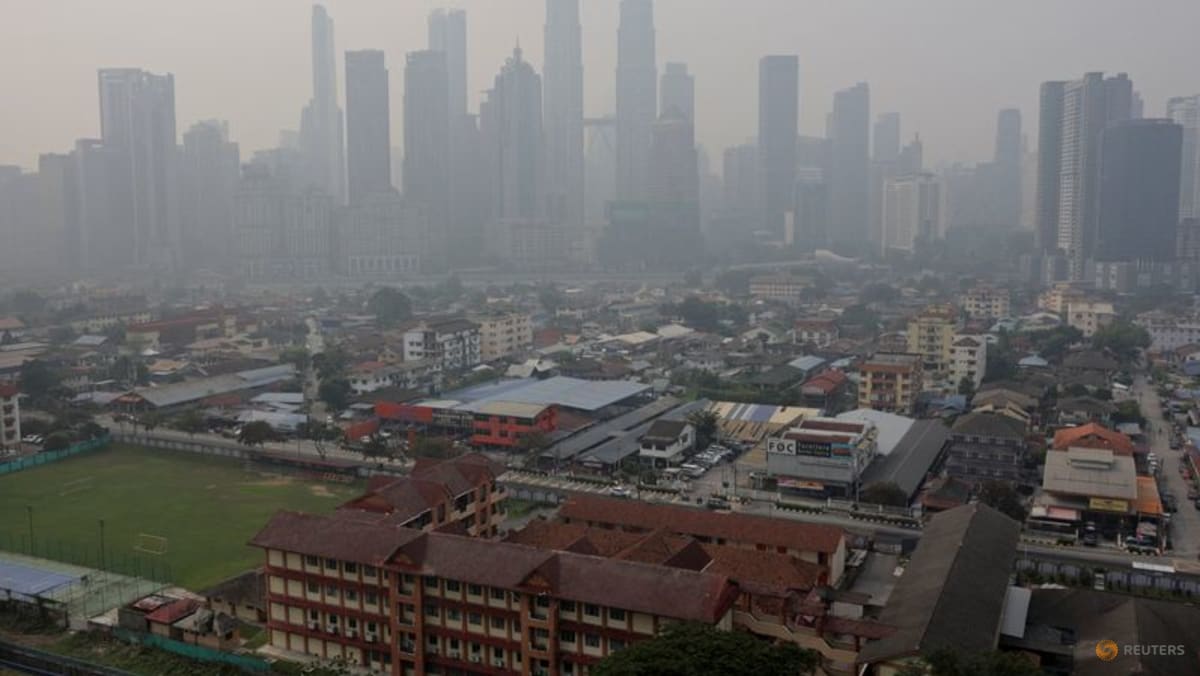
Malaysia adjusts school closure rules for haze, lifting the Air Pollutant Index threshold to 200 while pausing outdoor learning when readings hit 100.

POLICY WIRE — Kuala Lumpur, Malaysia — Educational facilities across Malaysia will now shut their doors only when local Air Pollutant Index metrics surpass the 200 mark.
Malaysian Education Minister Fadhlina Sidek announced on Wednesday, Oct 14, that the updated air quality benchmarks are designed to synchronize the ministry with the broader National Haze Action Plan.
Under previous protocols, institutions were mandated to shut down whenever API figures crossed 180, or if measurements stayed above 150 across three consecutive days.
The education ministry aligned its stance with the National Disaster Management Agency by adopting the unified national framework for managing regional haze events.
Sidek shared on Facebook that the updated measure seeks to make operational choices more systematic through current environmental assessments and medical guidance from the Ministry of Health.
She emphasized that API measurements can fluctuate rapidly, warning that suspending classes days in advance without accounting for shifts could waste instructional time if conditions improve.
Acknowledging anxiety among families, Sidek noted her understanding of parents worried about youngsters particularly vulnerable or sensitive to airborne pollution.
Guardians who feel uneasy about student safety during hazy conditions retain the option to keep their kids home, provided they notify administration officials.
While student wellness remains the foremost concern, Sidek stressed that each instructional day carries immense importance for academic and personal growth.
The minister expressed hope that aligning these policies will offer greater predictability, ease family burdens, and balance educational continuity with health safeguards.
Previously, Sidek defended a daily evaluation method for shutdowns amid public demands for predictable scheduling during deteriorating air conditions.
She mentioned on Monday that shuttering facilities must balance changing atmospheric data against learning interruptions caused by extended pauses.
Officials have additionally requested that determinations regarding facility suspensions be publicized as early as possible to grant households adequate time for preparation.
Reporting by Policy-Wire (PW)