

Nidal Hasan’s Execution Sparks Global Debate Over Public Death Penalty
Debates over Nidal Hasan's live-streamed execution highlight global concerns about public punishment and human rights.

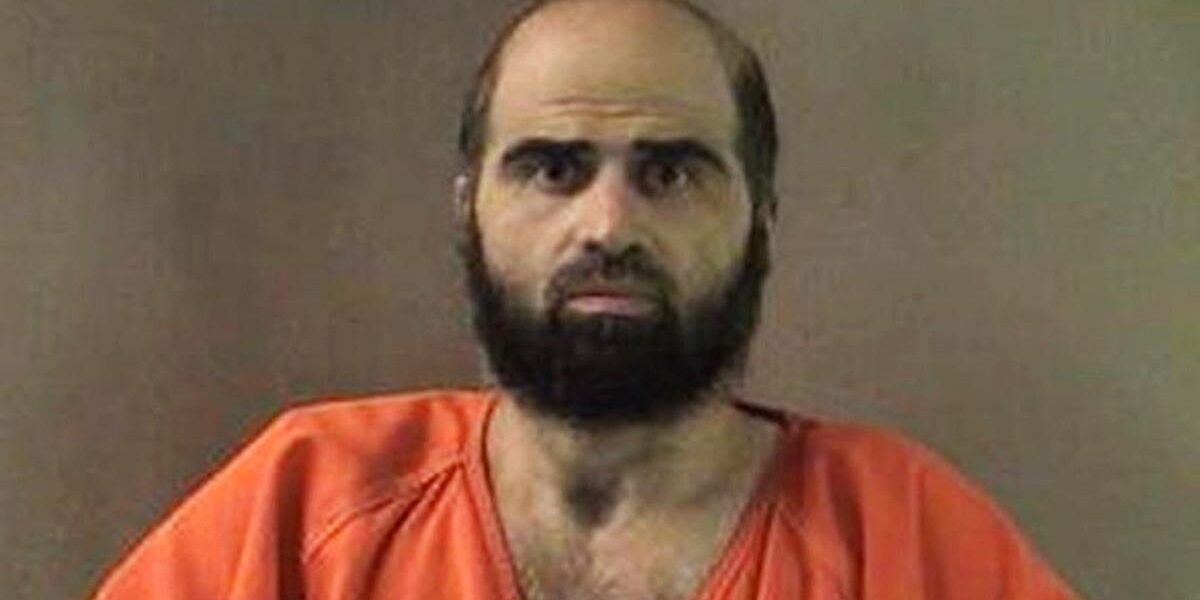
POLICY WIRE — Washington, D.C. — The U.S. military has announced plans to execute Army psychiatrist Nidal Hasan via firing squad on December 3, marking the first such use since World War II. The execution will be broadcast live, drawing widespread condemnation from international bodies, lawmakers, and activists.
Hasan, 56, was sentenced to death in 2013 for opening fire at Fort Hood in Texas in 2009, killing 13 people and wounding more than 30. The Pentagon’s decision to use a firing squad, a method long associated with military discipline, has sparked intense debate over its symbolism and ethical implications. Defence Secretary Pete Hegseth defended the move, stating it would demonstrate the consequences of violent actions.
The execution is set to take place under the Uniform Code of Military Justice, following the exhaustion of all appeals. While lethal injection remains the most common method in the U.S., several states allow firing squads as an alternative. The United Nations has criticized the plan, calling it a violation of human rights, while some U.S. lawmakers have labeled it a return to medieval practices. Critics argue that broadcasting the event could normalize violence and provide a platform for extremist groups.
Reporting by Policy-Wire (PW)