

India’s ‘Cockroaches’ and the Fragile State of the Modi Government
Imagine walking to the polling booth and finding your name missing from the list. For millions of Indians, this is no longer a thought experiment. It is the risk created by the Election...
Imagine walking to the polling booth and finding your name missing from the list. For millions of Indians, this is no longer a thought experiment. It is the risk created by the Election Commission’s Special Intensive Revision (SIR) of voter rolls, and it explains why Indian streets are filling up again.
The numbers are large. Local media report that 130 million names have been removed from draft voter lists. Official data for Phase 2 shows 5.18 crore names cut across 12 states and union territories, a fall of 10.2 per cent. In Tamil Nadu, 97.37 lakh voters, about 15 per cent, were missing from the draft roll. In Uttar Pradesh, which votes in February and March, 2.89 crore names were left out. The Commission says it is removing dead, duplicate and relocated voters. Even so, a purge of this size needs near-perfect accuracy.
Accuracy is where the exercise stumbles. The Wire reports that 91 per cent of decided appeals in West Bengal restored voters who had been excluded. If nine of ten reviewed cases end with the voter back on the list, the first deletion was wrong. In Bihar, about 65 lakh people were dropped from the draft for not submitting forms. A labourer working far from home can miss one form and lose a vote.
Inside the Commission, trouble is growing. The Indian Express reported that two of the three commissioners objected at least 14 times in ten months to decisions on the revision. Court petitions say Sukhbir Singh Sandhu and Vivek Joshi recorded these objections between October 2025 and August 2026. A three-member body is meant to decide together. The allegation that decisions went ahead over objections strikes at the heart of that design.
The Supreme Court has noticed. On October 5, it issued notice to the Centre, the Commission and Chief Election Commissioner Gyanesh Kumar. It declined to suspend him for now, yet it said it could reconsider or recall decisions taken without the required unanimity. No court has ruled on the allegations. Still, the highest court in the land wants answers, and that says plenty.
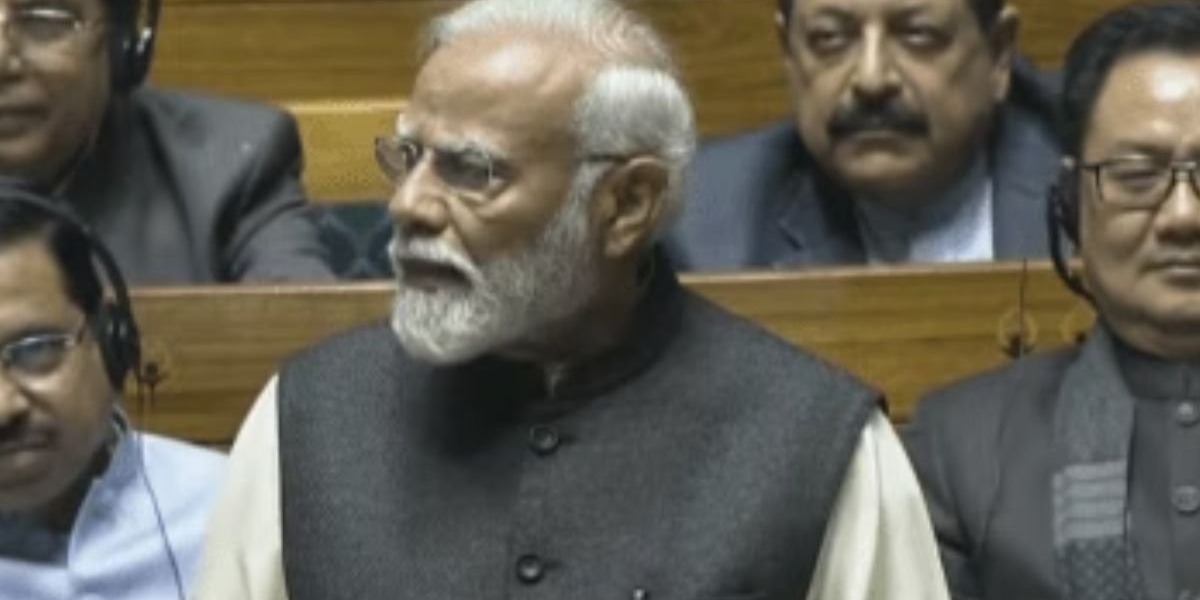
The government has not helped its own case. A 2023 law removed the Chief Justice of India from the panel that picks election commissioners and put a Union Cabinet minister there instead. Mr Kumar is the first chief commissioner chosen under that law. In April, Parliament’s presiding officers refused even to admit the opposition’s notice to remove him. The BJP and the Commission deny any bias. Denials carry more weight when backed by open records and open doors.
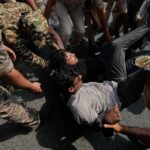
Open doors were hard to find on Tuesday. Rahul Gandhi said more than 300 opposition lawmakers marched to the Commission to seek a meeting, and several were detained along the way. Citizens can fairly ask why elected representatives were stopped before they reached the election referee.
Into this gap stepped the Cockroach Janta Party. It began on 16 May 2026 as online satire, launched by strategist Abhijeet Dipke after remarks by the Chief Justice, and its name pokes fun at the BJP. Its X account was withheld in India within five days. The movement grew anyway. Weeks of protest over alleged exam paper leaks ended with Education Minister Dharmendra Pradhan resigning in July, the first minister in the Modi government to quit under public pressure since 2014.
Their demands are simple. They want a freeze on the SIR, an independent inquiry into all its actions, and the voter list rolled back to January 2025. Analyst Sanjeev K. Sharma says young people, unhappy over unemployment and flaws in the education system, see these protests as their platform. The group has said it will gather at Jantar Mantar on Saturday if Mr Kumar does not resign.
Another analyst, Ullekh N.P., argues that the government’s credibility is at its lowest since 2014. When institutions stop answering questions, citizens find other ways to ask them.
The fix is within reach. The Commission can publish deletions by state and by reason. It can hand the recorded objections to the Court. It can open a quick, free route for every removed voter to return before Uttar Pradesh votes and Mr Kumar can ask himself whether he is the right person to lead a review of his own decisions.
India’s voters should never have to prove that they exist. Until the Commission earns back public trust, the young Indians at Jantar Mantar are defending something every citizen owns: the right to be counted.
Author