
Beavers Take on Flooding in West London
West London's beavers are helping prevent flooding, with a new project showing success in managing water naturally.

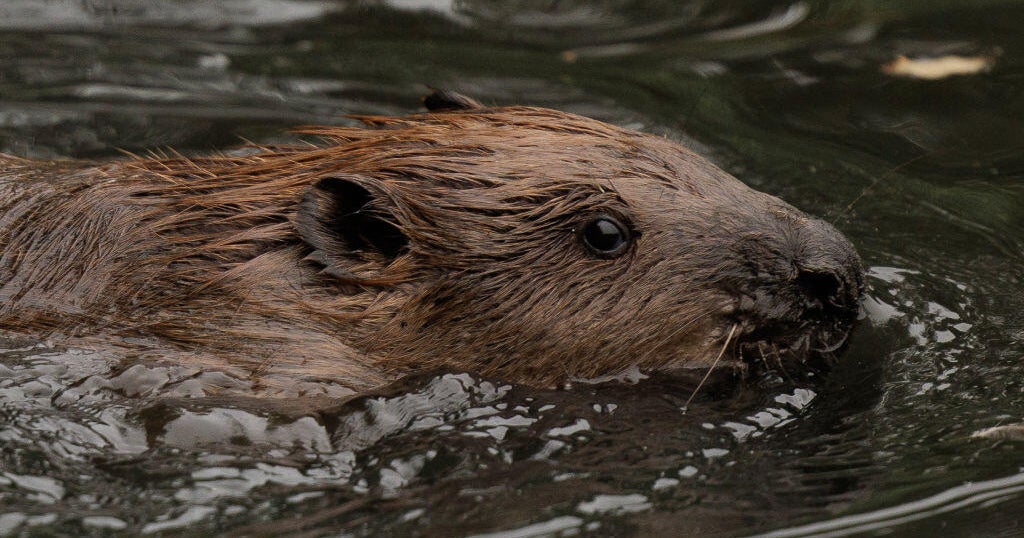
POLICY WIRE — London, United Kingdom — A family of beavers is making a remarkable impact in West London, offering a natural solution to flood risks while restoring a local wetland. Hidden near a McDonald’s and within the city’s busy transport network, these animals are reshaping their environment and protecting nearby streets and a Tube station from water damage.
The five Eurasian beavers, released in Greenford in October 2023, are the first to return to the area in approximately 400 years. Their reintroduction is part of a broader conservation effort aimed at reviving a species that was once hunted to extinction. The beavers reside in a fenced area open to the public, drawing attention as much for their ecological role as for their presence in an urban setting.
Dr. Sean McCormack, a veterinarian and key figure in the Ealing Beaver Project, estimates a 90% chance of spotting a beaver during a visit. These animals were not just introduced for public interest but to address real environmental challenges. The area around Greenford Station had long faced flooding issues, prompting local officials to consider costly engineering solutions. Instead, the project proposed a more natural approach: allowing beavers to manage water flow through their dam-building activities.
📄 POLICY WIRE WHITEPAPER PUBLISHED: PAKISTAN’S NATIONAL SECURITY POLICY PRIORITIES
By July 2024, the beavers had constructed seven dams and created three ponds, which help retain rainwater and slow its movement downstream. This strategy has proven effective, with no flooding reported in the downstream area by the second winter of their arrival. The dams have also helped protect Greenford Station’s lobby and surrounding neighborhoods from water damage.
Beyond flood control, the beavers’ work has boosted biodiversity. Their lodge, built 6 feet high with an underwater entrance, provides shelter and creates habitats for various wildlife, including beetles, woodpeckers, and bats. Visitors on guided evening safaris often marvel at the sight of these creatures in an unexpected urban setting, with baby beavers, or kits, occasionally making appearances.
The project has seen successful breeding, with the beavers Willow and Woody welcoming two new kits in 2026, marking their third consecutive year of reproduction. Dr. McCormack calls this a nature’s report card, highlighting the animals’ adaptation to their new home. As climate change brings increasing flood risks, the project offers a model for communities to embrace natural solutions and coexist with wildlife.
Reporting by Policy-Wire (PW)