


Iran Warns Hormuz Closure Until Demands Met as Houthis Attack Saudi Oil Facility
Iran threatens to keep Hormuz closed until demands met, while Houthis claim attack on Riyadh oil refinery. Tensions escalate in Middle East.

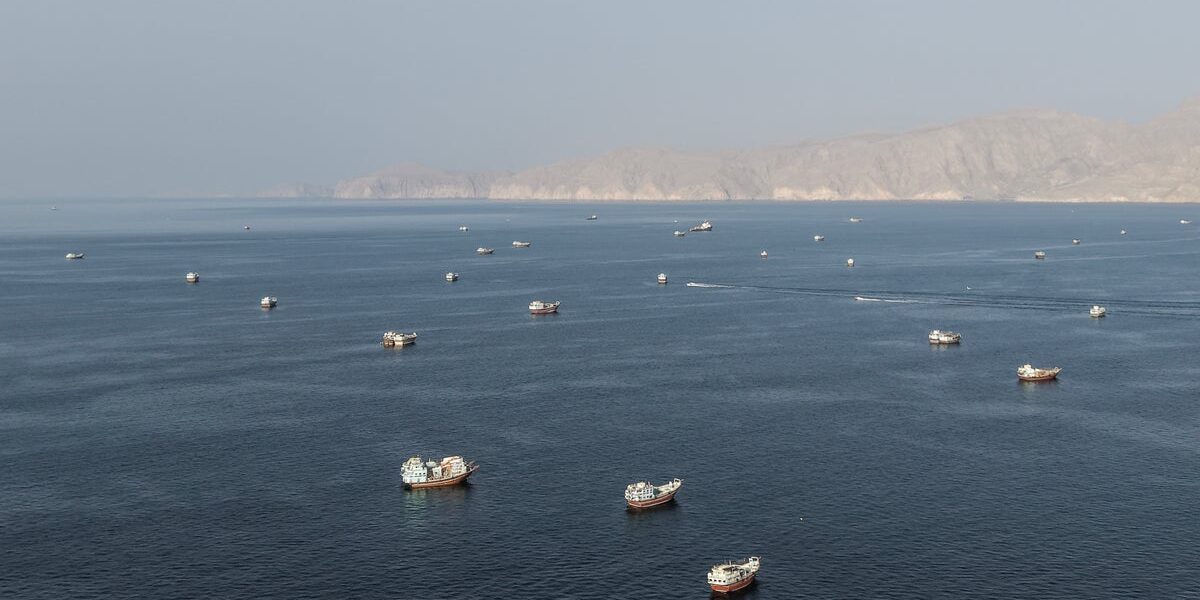
POLICY WIRE — Tehran, Iran — Iran has stated that the Strait of Hormuz will remain closed until its conditions are fulfilled, according to Nournews. The waterway has seen a complete halt in traffic following recent attacks in the region.
Iran’s parliamentary speaker, Mohammad Bagher Ghalibaf, emphasized that the U.S. is no longer able to delay negotiations or impose unilateral terms. He said the Islamic Republic’s position is firm and clear, with the Strait of Hormuz remaining shut until its seven conditions—based on the Islamabad Memorandum of Understanding—are met, including the lifting of economic sanctions and an end to hostilities.
Meanwhile, Yemen’s Houthi rebels have claimed responsibility for a missile attack on a Saudi Aramco oil refinery in Riyadh. The strike was reportedly in retaliation for recent Saudi-led airstrikes on Sanaa and other areas in Yemen. Witnesses observed large plumes of smoke rising from the facility, signaling a significant escalation in cross-border conflict.
📄 POLICY WIRE WHITEPAPER PUBLISHED: PAKISTAN’S NATIONAL SECURITY POLICY PRIORITIES
Yemeni government forces reported conducting 97 precision strikes against Houthi militants, claiming to have neutralized 260 combatants. The Houthi military confirmed the attack on the Riyadh facility, stating it was a direct response to ongoing Saudi coalition operations in Yemen. In another development, Iraq’s Oil Tankers Company transported 2 million barrels of crude through the Strait of Hormuz, marking the first such operation in decades.
Russia’s deputy chairman of the Security Council, Dmitry Medvedev, reaffirmed Moscow’s commitment to its strategic partnership with Iran, stating the country would never compromise its relationship for any other nation. Australian Treasurer Jim Chalmers also criticized the ongoing U.S.-Iran conflict, calling it an economic disaster that has contributed to global inflation and slowed economic growth.
Reporting by Policy-Wire (PW)