


Zoe Kazan Defies Skeptics With Triumphant Netflix Adaptation of East of Eden
Explore how Zoe Kazan's new Netflix miniseries East of Eden overcomes industry scrutiny to deliver a faithful, acclaimed take on Steinbeck's classic.

POLICY WIRE — London, United Kingdom — Seven decades after her grandfather brought John Steinbeck’s classic novel to the cinema screen, writer and actor Zoe Kazan has reimagined East of Eden as a sweeping streaming miniseries for Netflix.
The ambitious project has faced a substantial wave of digital scrutiny and internet skepticism ahead of its premiere. The 1952 novel, a bible-inspired exploration of generational sin and inherited trauma set in turn-of-the-century California, carries significant genealogical baggage for Kazan.
Her grandfather, Elia Kazan, directed the celebrated 1955 film adaptation starring James Dean. That mid-century cinematic classic relied on ruthless narrative streamlining, discarding the first three-quarters of the novel to focus squarely on the adult lives of feuding brothers Aaron and Cal.
While the 1955 film achieved enduring fame largely due to the star power of Dean, it fell short as a comprehensive adaptation of Steinbeck’s expansive prose. In contrast, Zoe Kazan’s seven-episode miniseries adopts a far more faithful and nuanced approach to the source material.
The new television production dedicates its early episodes to the brutal and intricate storyline involving Adam, played by Christopher Abbott, and Charles, played by Mike Faist, before pivoting to their sons later in the narrative. Lee, the Chinese housekeeper and biblical scholar who serves as the moral center of the book, is reinstated and brought to life with warmth and pathos by Hoon Lee.
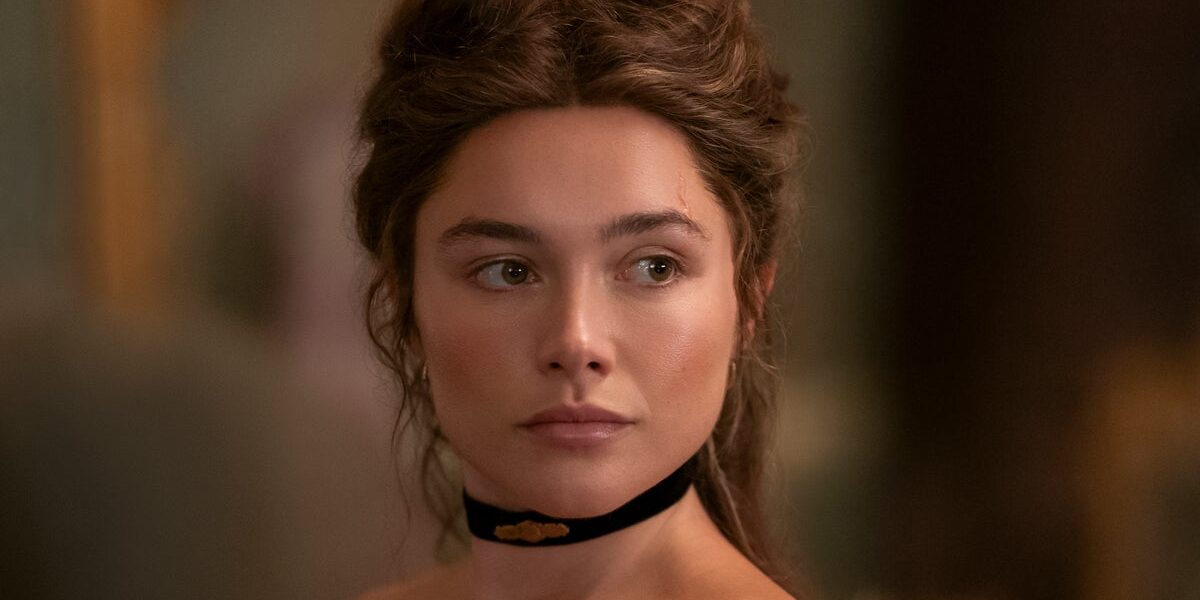
The miniseries features a lush American aesthetic underpinned by a sober, contemplative morality. Central to this atmosphere is Cathy Ames, the complex character who marries Adam, gives birth to twins, and subsequently flees to operate a murderous bordello.
📄 POLICY WIRE WHITEPAPER PUBLISHED: PAKISTAN’S NATIONAL SECURITY POLICY PRIORITIES
Cathy was reduced to a minor, late-stage character in the 1955 film, though Jo Van Fleet earned an Oscar for her performance. In the new adaptation, the character retains her sharp edges and agency, avoiding overly simplified modern feminist interpretations of her childhood trauma and malice.
Online discussions intensified prior to release following interviews regarding the portrayal of Cathy to avoid presenting her as a simple monster. Critics argued this perspective misunderstood Steinbeck, prompting Kazan to highlight passages from the novel indicating the author intended a nuanced reading of the character.
Kazan also faced online debates regarding the biblical influences within the text, though her assertions that Steinbeck incorporated elements of Genesis were accurate. Despite internet hostility, Kazan maintains a strong track record with literary adaptations, having previously penned the screenplay for the 2018 film Wildlife.
Observers note that some public resistance may stem from lingering criticism regarding Kazan’s lineage and familial history. Nevertheless, early critical reception indicates the miniseries is a resounding success that easily overcomes its detractors.
Reviewers have praised the production as reverent, traditional television-making that elevates Netflix’s typical catalog. Performances by the cast, particularly in capturing complex emotional minutiae without dialogue, have received widespread acclaim from critics.
For purists devoted strictly to the original text, the screen adaptation may still leave room for discussion. However, supporters celebrate the project as a triumphant and proper translation of Steinbeck’s literary vision for modern audiences.
Reporting by Policy-Wire (PW)