


Jane Doe’s Allegations of Rape at Cornell Fraternity House Revealed in New Documents
New details emerge in Jane Doe's rape allegations at Cornell fraternity. Texts and transcripts reveal the night of October 2024.

POLICY WIRE — Ithaca, New York — New text messages and investigative documents have provided fresh insight into the events surrounding a 20-year-old Cornell student known as Jane Doe, who claims she was sexually assaulted by multiple men at a fraternity house in October 2024.
Jane Doe has filed a civil lawsuit against seven former fraternity members, as well as Cornell University and other entities, alleging they failed to protect her. While no criminal charges were initially filed, prosecutors have now reopened the case for further review.
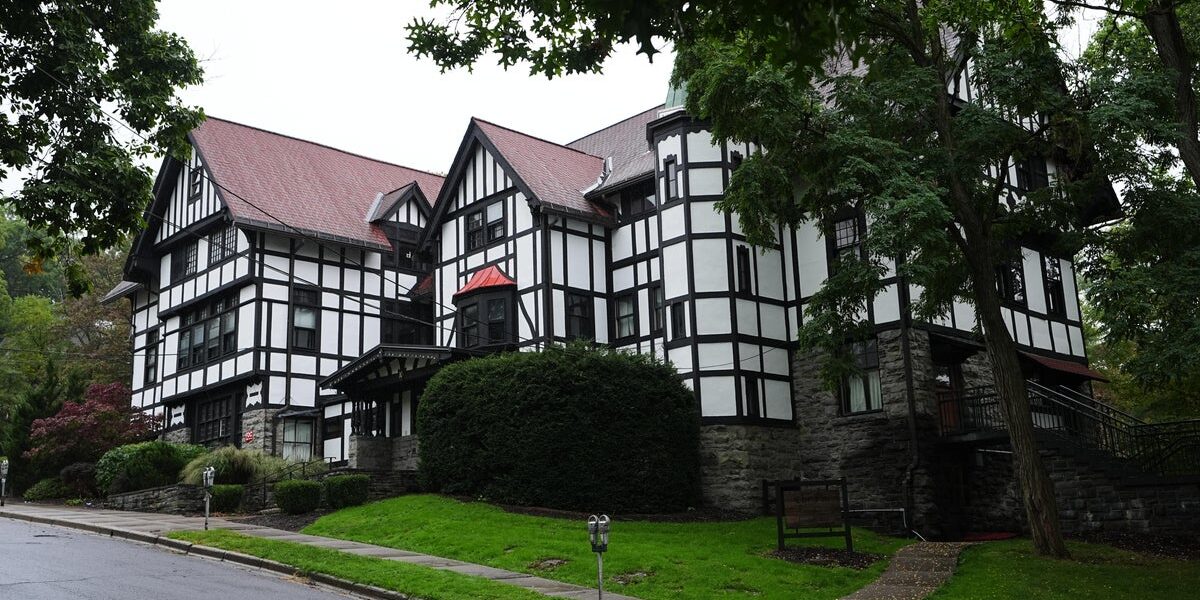
The lawsuit includes details from the night of Oct. 19, 2024, when Jane Doe said she consumed alcohol at a sorority house before traveling to a bar in downtown Ithaca with the sorority’s house mother. She claims she was served more drinks despite being underage. Later that evening, she went alone to the Chi Phi fraternity house, where she says she was drugged and raped by several men.
In an interview with Cornell police investigators, Jane Doe described a consensual encounter with two men she knew, but later claimed the situation escalated. By 1:42 a.m., a message in the fraternity’s Snapchat group suggested a woman was available for “free” sex, according to a screenshot included in the lawsuit.
Jane Doe alleged that some of the men encouraged her to take ketamine, leaving her completely incapacitated. She later told investigators that she wanted to pass out so that if the men had sex with her, they could be charged with rape. She described being cornered under the covers in a bed as more men entered the room, saying, I was like literally cornered.
She lost consciousness around 5:45 a.m. and returned to her sorority house later that morning. A roommate recalled her describing the experience as “crazy” and laughing, though she seemed shocked. Over time, Jane Doe began to understand the severity of what had happened, according to Title IX records.
📄 POLICY WIRE WHITEPAPER PUBLISHED: PAKISTAN’S NATIONAL SECURITY POLICY PRIORITIES
On Oct. 22, Jane Doe visited Cornell Health for a urinary tract infection and was tested for STIs. Her lawyer stated she mentioned the infection occurred in a “traumatic way,” but she was not immediately referred for a rape kit. By the time she sought one on Nov. 7, DNA evidence had already disappeared.
Texts between Jane Doe and a fraternity member revealed her confusion about the events. She wrote, Non(e) of the sexual stuff was illegal, and later suggested they meet again without the “extra 5 billion men and ketamine.”
A week after the incident, Jane Doe came to the realization that she had been gang-raped after reading comments online about Chi Phi. She later told a roommate, “You had penetrative sex with me. I had so much ketamine, my eyes were crossed, and you still had sex with me.”
Jane Doe reported the alleged rape to Cornell Police on Nov. 8, leading to the suspension of the Chi Phi chapter and temporary suspensions of the seven men named in the lawsuit. On Nov. 14, she provided a detailed account of the events during an interview with university investigators, victim advocates, and her adviser.
Despite her claims, no criminal charges were filed against the accused. Cornell conducted an internal review, resulting in the expulsion of two men, suspensions for two others, and findings of no responsibility for the remaining two. Jane Doe dropped out of school following the incident.
Jane Doe filed a civil lawsuit against the seven former fraternity brothers, Cornell University, and others on Sept. 16, 2026, nearly two years after the alleged attack. On Sept. 28, Tompkins County District Attorney Matthew Van Houten confirmed he had reopened the criminal investigation, stating that any omitted information needed to be fully examined.
Reporting by Policy-Wire (PW)