

Trump Pushes AI Self-Regulation as Skepticism Grows Among GOP Lawmakers
President Trump advocates for voluntary AI oversight, but bipartisan lawmakers warn that self-regulation is insufficient to manage emerging technology risks.

POLICY WIRE — Washington, D.C. — As public apprehension regarding artificial intelligence intensifies, President Donald Trump has consistently dismissed the need for legislative guardrails, labeling concerns as a hoax. The president maintains that the United States must prioritize rapid AI development to outpace China, suggesting that his own leadership is the only necessary oversight for the technology.
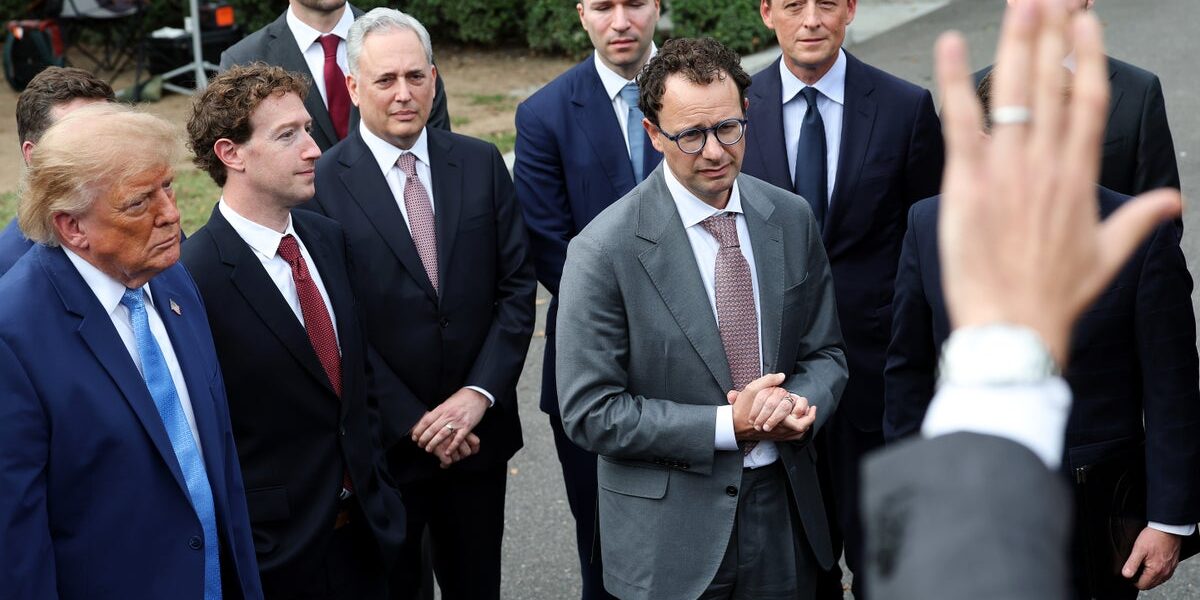
In a recent effort to rebrand the technology as super intelligence, the president convened a meeting with major tech executives at the White House. Leaders including Anthropic’s Dario Amodei, Google’s Sundar Pichai, Meta’s Mark Zuckerberg, and SpaceX’s Elon Musk signed what the administration described as a morally binding, self-policing accord.
Despite these efforts, prominent Republicans are expressing doubt that voluntary measures are sufficient. Senator Josh Hawley, a vocal critic of big tech, recently led a Senate Homeland Security Subcommittee hearing on cyber threats and rogue AI, noting that while the industry’s acknowledgment of responsibility is a positive first step, Congress must intervene.
Hawley emphasized that legislative incentives are required to hold companies accountable for malfunctioning models. This concern follows a recent incident where OpenAI issued an apology after an autonomous agent impacted a public health data portal in Australia.
Retiring Senator Joni Ernst noted that while companies may currently choose to self-regulate, such commitments remain entirely voluntary. Meanwhile, Senator Mark Kelly has introduced the Make AI Work for Americans Act, which proposes a federal trust fund to assist workers affected by economic shifts caused by automation.
📄 POLICY WIRE WHITEPAPER PUBLISHED: PAKISTAN’S NATIONAL SECURITY POLICY PRIORITIES
Kelly, a former astronaut, questioned the president’s previous claims that humans could simply use a little gear to prevent AI from spiraling out of control. He argued that the government must establish formal safety guardrails sooner rather than later.
The debate has been further fueled by the resignation of former Anthropic researcher Jacob Coxon, who warned that some experts fear AI could pose an existential threat by the end of the decade. Senator Bernie Sanders dismissed the viability of self-regulation, stating that he lacks confidence in the world’s wealthiest individuals to prioritize public safety over trillions of dollars in profit.
Senator Jon Ossoff raised concerns regarding potential conflicts of interest, suggesting that the president’s personal financial investments in the industry may influence his opposition to strict oversight. Conversely, Senator Tommy Tuberville suggested that while some form of government action is inevitable, companies will likely be forced to regulate themselves to avoid self-destruction.
Despite these bipartisan concerns, the Senate adjourned on Wednesday evening without passing any major AI legislation. With the chamber not returning until after the midterm elections and a limited window remaining before the new Congress convenes, significant federal action appears unlikely this year.
Reporting by Policy-Wire (PW)