


Senate Democrats Block GOP Stock Trading Bill Over Voter ID Provision
Senate Democrats rejected a Republican-led stock trading bill, citing concerns over voter ID requirements and insufficient restrictions on lawmakers.

POLICY WIRE — Washington, USA — A Republican-led initiative to restrict stock trading among members of Congress failed to clear the Senate on Wednesday. The measure fell short of the necessary 60-vote threshold, ending in a 53 to 47 party-line vote.
Known as the Stop Insider Trading Act, the legislation had previously cleared the House in July with unanimous Republican support and backing from 13 Democrats. The bill sought to ban lawmakers, their spouses, and dependent children from buying publicly traded stocks while mandating a one-week advance notice for any planned sales.
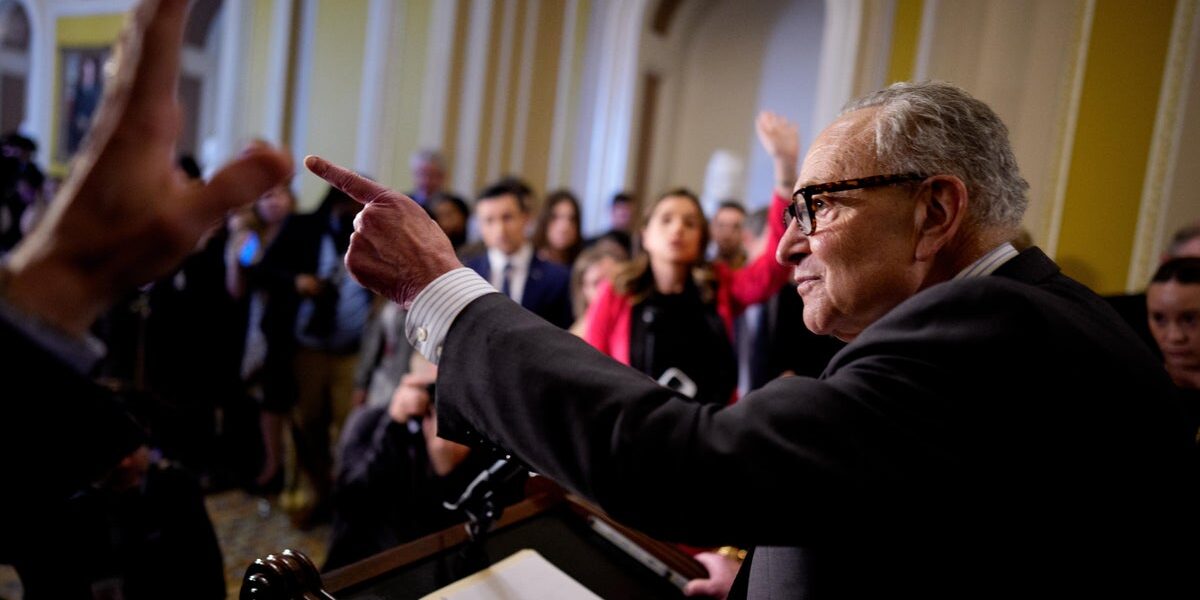
Senate Minority Leader Chuck Schumer criticized the proposal on the floor, labeling it ineffective. He argued that the bill was intentionally designed to fail and claimed it lacked the necessary scope, noting that it failed to include the president or members of the executive branch.
📄 POLICY WIRE WHITEPAPER PUBLISHED: PAKISTAN’S NATIONAL SECURITY POLICY PRIORITIES
Beyond the stock restrictions, Democrats took issue with a provision requiring photo identification for federal elections. They characterized this inclusion as a poison pill, arguing it was added to force opposition to the broader bill as President Trump pushes for election-related changes before the midterms.
Senate Majority Leader John Thune, a Republican from South Dakota, defended the legislation as a common-sense measure. He stated that the bill was an important step toward ensuring representatives are held to the standards expected by the American public.
The vote occurred as senators prepare to depart for the campaign trail, with Republicans aiming to force Democrats to take a public stance on the issues. The outcome leaves the future of congressional stock trading regulations uncertain as control of the Senate remains a key focus for upcoming elections.
Reporting by Policy-Wire (PW)