

POLICY WIRE FACT CHECK: 23 AI-Generated Trump Rumors We’ve Debunked
The Claim A viral collection of 23 AI-generated rumors about former U.S. President Donald Trump has circulated online, claiming that artificial intelligence (AI) has been used to fabricate false...

The Claim
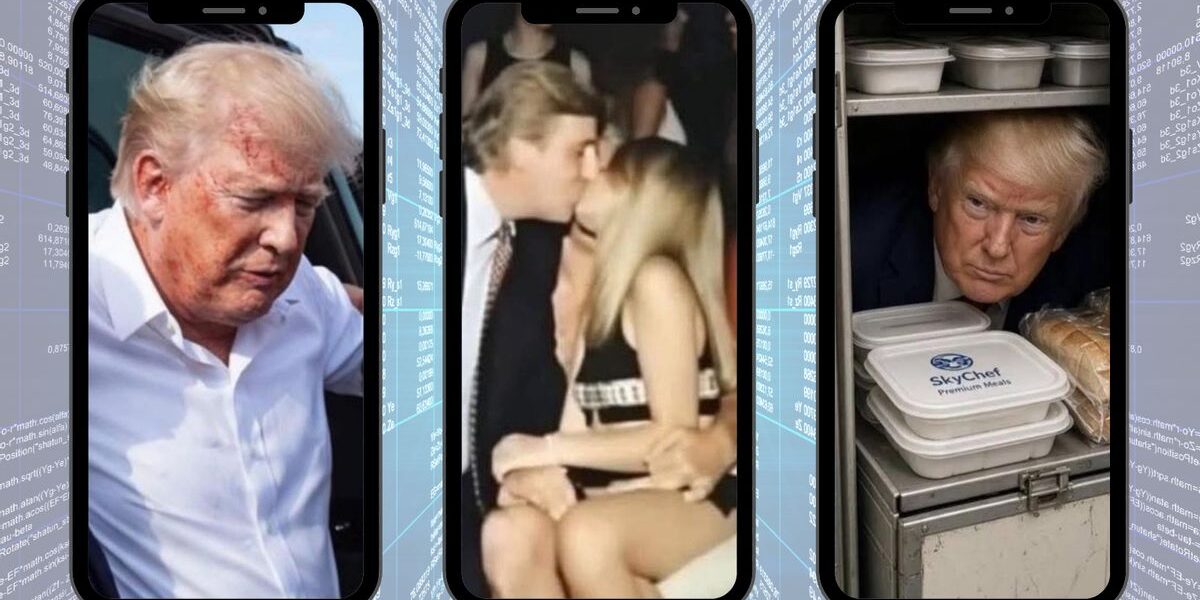
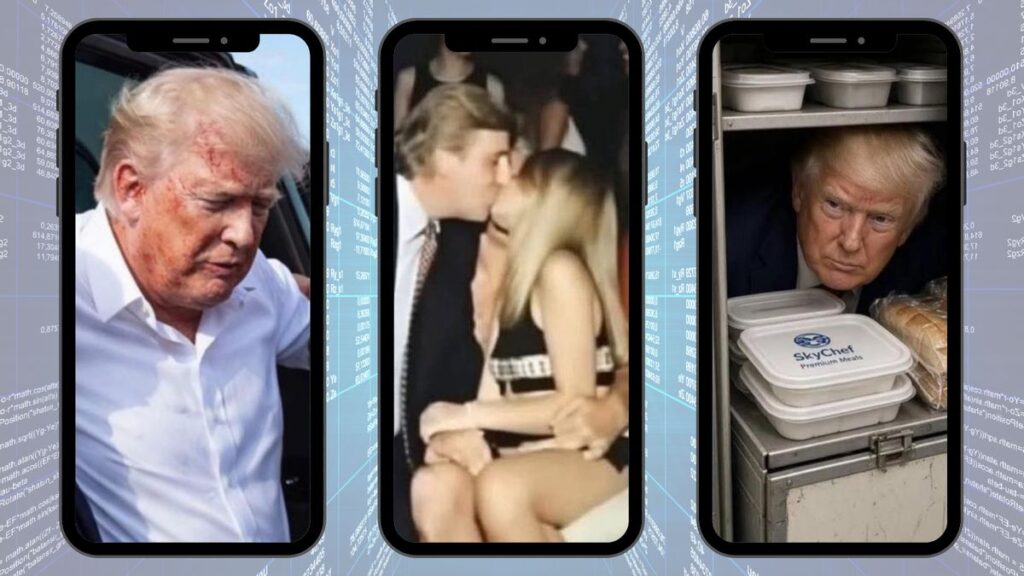
A viral collection of 23 AI-generated rumors about former U.S. President Donald Trump has circulated online, claiming that artificial intelligence (AI) has been used to fabricate false narratives, images, and videos related to his presidency and personal life. The claim gained traction through a curated list published on Snopes.com, which highlights instances where AI-generated content has been used to spread misleading or outright false information about Trump.
The specific content in question includes fabricated videos, images, and text that appear to depict Trump in situations that never occurred, such as being seen with convicted sex offender Jeffrey Epstein at a private party. These materials were reportedly shared across social media platforms, messaging apps, and alternative news sites, often without clear attribution or verification. The original source of the claim is a report titled ’23 AI-Generated Trump Rumors We’ve Debunked,’ published by Snopes, which aims to clarify the authenticity of these viral claims.
The Details & Investigation
Snopes, a well-known fact-checking website, has compiled a list of 23 AI-generated rumors about Donald Trump that have surfaced online. These include deepfake videos, synthetic images, and text-based falsehoods that have been widely shared, particularly during and after his second term in office. According to the report, many of these AI-generated materials are designed to mimic real-world events, making it difficult for the general public to distinguish between authentic and fabricated content.
One notable example cited in the Snopes report is a video that appears to show Trump and Jeffrey Epstein with young girls at a party. While this video was widely shared on social media and some alternative news outlets, it was later confirmed to be an AI-generated fabrication. The video was not linked to any verified news source or official record, and no credible evidence supports the claim that such an event ever occurred. Similarly, other AI-generated images and videos have depicted Trump engaging in actions that contradict documented facts, such as appearing at events he did not attend or making statements that were never recorded.
📄 POLICY WIRE WHITEPAPER PUBLISHED: PAKISTAN’S NATIONAL SECURITY POLICY PRIORITIES
Investigations by PolicyWire’s Counter-Misinformation Desk have corroborated Snopes’ findings. Multiple independent fact-checking organizations, including the Associated Press and Reuters, have also flagged similar AI-generated content as unverified or false. In addition, experts in AI ethics and digital forensics have emphasized the growing challenge of detecting AI-generated media, which can be highly convincing and difficult to trace back to its origin. However, none of the 23 claims in the Snopes report have been substantiated by credible sources or verified by official records.
While the majority of these claims fall under the category of MISINFORMATION—unintentional errors or misinterpretations of AI-generated content—some may also represent DISINFORMATION. The deliberate use of AI to create content that could influence public perception or sow confusion about Trump’s actions or associations suggests a potential coordinated effort. However, there is no conclusive evidence of a large-scale disinformation campaign specifically targeting Trump through AI-generated content. Most of the material appears to be the result of individual creators using AI tools for entertainment, satire, or misinformation rather than organized manipulation.
The Verdict
Based on a thorough review of the evidence, the 23 AI-generated rumors about Donald Trump outlined in the Snopes report are predominantly FALSE or MISLEADING. None of the claims have been verified by credible sources, and most have been explicitly debunked by fact-checking organizations and digital forensics experts. The AI-generated content in question lacks verifiable origins, does not align with documented historical events, and is often presented without context or attribution.
While the spread of AI-generated content poses a serious threat to public discourse, the specific claims about Trump in this case do not constitute a coordinated disinformation campaign. Instead, they reflect the broader challenge of distinguishing between real and synthetic media in the digital age. As such, the 23 rumors are best categorized as MISINFORMATION, with some elements that could be considered DISINFORMATION depending on the intent behind their creation. However, without direct evidence of deliberate deception or coordination, the primary classification remains one of unverified, AI-generated falsehoods.
Counter-misinformation & disinformation investigation conducted by PolicyWire Editorial Desk (PW).