


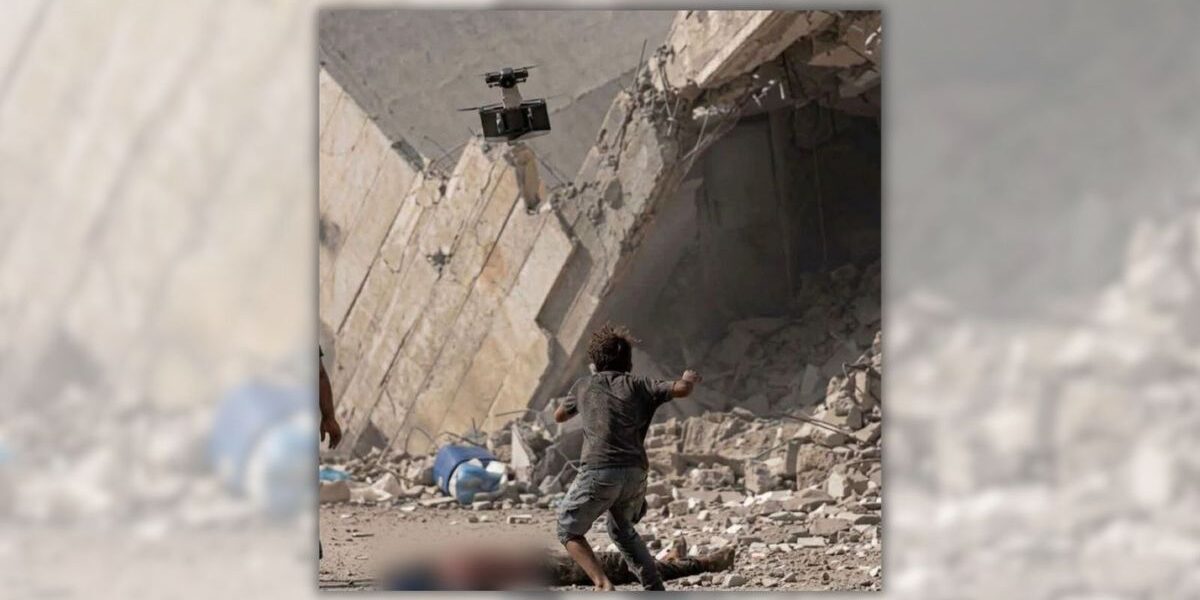
POLICY WIRE FACT CHECK: Images of Gazan child before deadly airstrike are from real video, but likely AI-enhanced
The Claim A viral claim circulating across social media platforms such as X, Facebook, and Instagram in September 2026 alleged that images showing a Gazan child, identified as Muhammad al-Zinati,...

The Claim
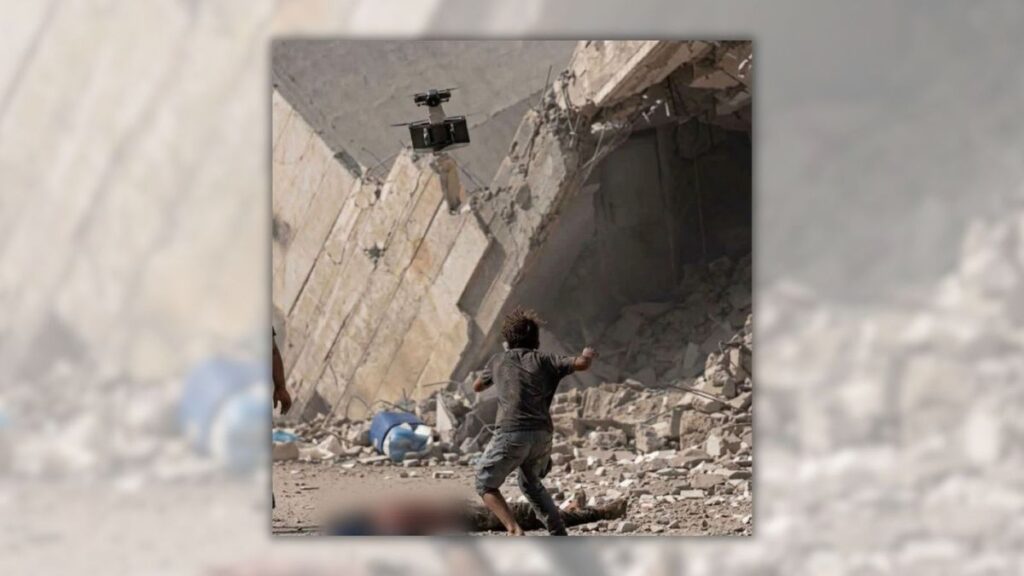
A viral claim circulating across social media platforms such as X, Facebook, and Instagram in September 2026 alleged that images showing a Gazan child, identified as Muhammad al-Zinati, reacting to an incoming missile before an Israeli airstrike were authentic. The images reportedly depicted the child, no older than 15, attempting to assist a wounded man when an aerial weapon struck the ground, resulting in his death.
The original post on X, shared by a user who asked, ‘Very curious to understand if this picture posted to X is real. Stating it is a missile about to hit a child in Gaza,’ sparked widespread concern. The image was later found to be part of a broader set of posts, including variations with differences in the appearance of the missile, debris, and the injured person. These images were widely shared across multiple platforms, with some outlets like Al Jazeera, Anadolu Agency, and Palestinian news organizations reporting on the incident without noting the alterations.
The Details & Investigation
Snopes conducted a thorough investigation into the authenticity of the images and the surrounding claims. A reverse image search revealed multiple instances of the same or similar images being circulated, often with slight variations in details such as the missile’s shape, the building debris, and the posture of the individuals. This suggested that while the images may have originated from a real event, they were not all captured at the exact same moment or from the same source.
Further analysis confirmed that the images were derived from a real video recorded in September 2026. A low-quality, blurry frame from the original footage, which appears to show a missile or other aerial weapon approaching the scene, was used as the basis for the enhanced images. Comparisons between the original and enhanced versions showed that they were shot from the same perspective, ruling out the possibility of a separate still image taken at the same time. However, the enhanced images displayed a level of detail—such as smoother textures and more defined features—that is consistent with artificial intelligence (AI) editing.
One key piece of evidence came from a Threads post that hosted the original, unaltered video. The clip, which lasted one minute, did not show any signs of AI manipulation. Most AI-generated videos on social media are extremely short, typically lasting only seconds, making the length of this clip a credible indicator of its authenticity. Additionally, the video showed the child, Muhammad al-Zinati, attempting to help a wounded man before the airstrike, corroborating the narrative reported by several news outlets.
📄 POLICY WIRE WHITEPAPER PUBLISHED: PAKISTAN’S NATIONAL SECURITY POLICY PRIORITIES
Investigations also revealed that some of the images shared by Palestinian media outlets, including Al-Resalah and Shehab News Agency, appeared to have been altered using AI. For example, an image showing the two victims together seemed to be a composite of two different photos, suggesting digital editing. While the original video remains genuine, the use of AI to enhance or alter the images raises concerns about whether the content was manipulated to amplify emotional impact or mislead audiences.
Despite these findings, the core event—Muhammad al-Zinati’s death during an Israeli airstrike—is supported by multiple sources, including reports from Al Jazeera, Anadolu Agency, and Shehab News Agency. These outlets described the incident as occurring in the Sheikh Radwan neighborhood of Gaza City on September 15, 2026. However, the inclusion of AI-enhanced images in their reporting highlights a growing challenge in distinguishing between authentic content and manipulated media, particularly in conflict zones where information is often disseminated rapidly and under intense scrutiny.
The Verdict
The viral images of the Gazan child before the airstrike are not entirely false, as they are based on a real video recorded in September 2026. However, the specific images circulating online appear to have been enhanced using artificial intelligence, which alters their visual quality and potentially distorts the context of the event. This places the claim in the category of MISINFORMATION, as the inaccuracies stem from the use of AI to manipulate the original footage rather than from deliberate deception or fabrication.
While the original video is authentic and shows the tragic death of Muhammad al-Zinati, the altered images could mislead viewers into believing they are seeing unedited, real-time footage. This distinction is critical, as it affects how the public perceives the event and the credibility of the sources reporting on it. The use of AI in enhancing images for journalistic or activist purposes raises ethical concerns, particularly when the modifications are not disclosed to the audience.
Given the verified origin of the original footage and the clear evidence of AI enhancement in the circulated images, the claim is best classified as MISLEADING. It contains elements of truth but is presented in a way that could distort the viewer’s understanding of the actual event.
Counter-misinformation & disinformation investigation conducted by PolicyWire Editorial Desk (PW).