


Philippines’ Mother Earth Foundation Makes Global Environmental Impact
Mother Earth Foundation, a Philippine charity, is leading the fight against ocean plastic pollution with innovative waste solutions. Learn how their model co...

POLICY WIRE — Manila, Philippines — A Philippine nonprofit has emerged as a finalist for the 2026 Earthshot Prize, an environmental award launched by Prince William, for its groundbreaking work in preventing plastic and organic waste from reaching landfills, waterways, and the ocean.
The organization, Mother Earth Foundation, was founded in 1998 by five women clearing a vacant lot in Manila. Over nearly three decades, it has developed a system that keeps plastic waste out of water sources, addressing one of the most pressing environmental challenges in the country.
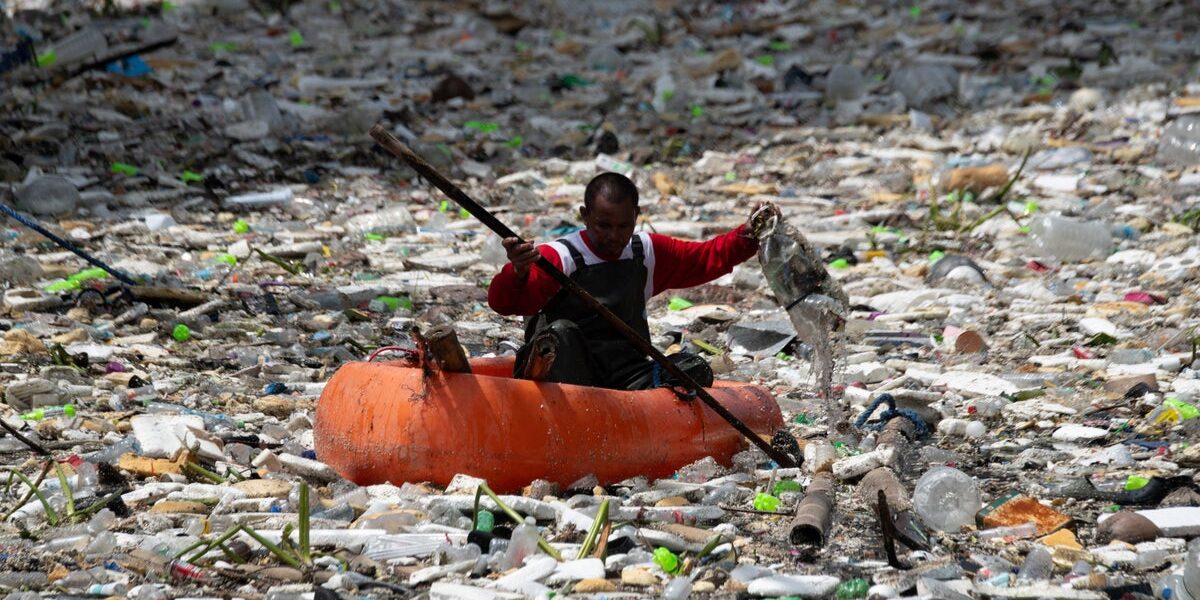
The Philippines produces more ocean plastic than any other nation, with rivers like the Pasig frequently overwhelmed by thick layers of plastic. The foundation’s approach focuses on managing waste at the source, encouraging communities to take responsibility for their own trash and reducing the flow of plastic into the environment.
Sonia Mendoza, co-founder and chair of the foundation, emphasizes that the model can be replicated across the Philippines and other Asian cities facing similar pollution issues. She highlights the role of single-use plastic sachets, which are used daily by millions but are neither recyclable nor compostable.
According to a study by the Global Alliance for Incinerator Alternatives, the Philippines uses 164 million sachets per day, with 70% of Filipinos lacking access to proper disposal facilities. These sachets often end up in waterways, worsening the country’s pollution crisis.
Mother Earth has partnered with local sari-sari stores to offer bulk products instead of single-use packaging, encouraging customers to bring their own containers. This initiative has diverted over 671,000 pieces of plastic waste since early 2024, including 288,000 sachets.
📄 POLICY WIRE WHITEPAPER PUBLISHED: PAKISTAN’S NATIONAL SECURITY POLICY PRIORITIES
In San Fernando, a city north of Manila, the foundation has helped divert 89% of waste away from landfills, far exceeding the national average. Mendoza explains that the success of this model relies on training waste collectors rather than directly engaging residents, making the process more efficient and sustainable.
Despite these achievements, challenges remain. Waste pickers, who play a critical role in the system, are often underpaid and unrecognized. The foundation has been working to improve their conditions through legislation, including the proposed Magna Carta of Waste Workers, which aims to provide fair wages and protections.
Beyond local efforts, Mother Earth is pushing for systemic change by holding plastic producers accountable. Through audits, the foundation identifies top polluters and advocates for stricter regulations. However, Mendoza criticizes many companies for greenwashing, claiming they continue to produce problematic plastic packaging despite public commitments to sustainability.
Global negotiations on a plastic production cap have faced setbacks, with oil-producing nations resisting restrictions. Mendoza remains focused on promoting low-waste systems at the community level, emphasizing the importance of reusable alternatives and grassroots education.
The foundation’s goal is to see 90% of Philippine cities adopt zero-waste systems by 2030. With the Earthshot Prize recognition, Mendoza hopes to expand the model internationally, building on existing partnerships in countries like Tanzania, Indonesia, and Vietnam.
Reporting by Policy-Wire (PW)