

North Carolina Farmer Faces Survival Crisis Amid Rising Costs and Trade Tensions
A North Carolina farmer details the struggle of rising fuel costs, trade tariffs, and war-related supply chain issues threatening his livelihood.

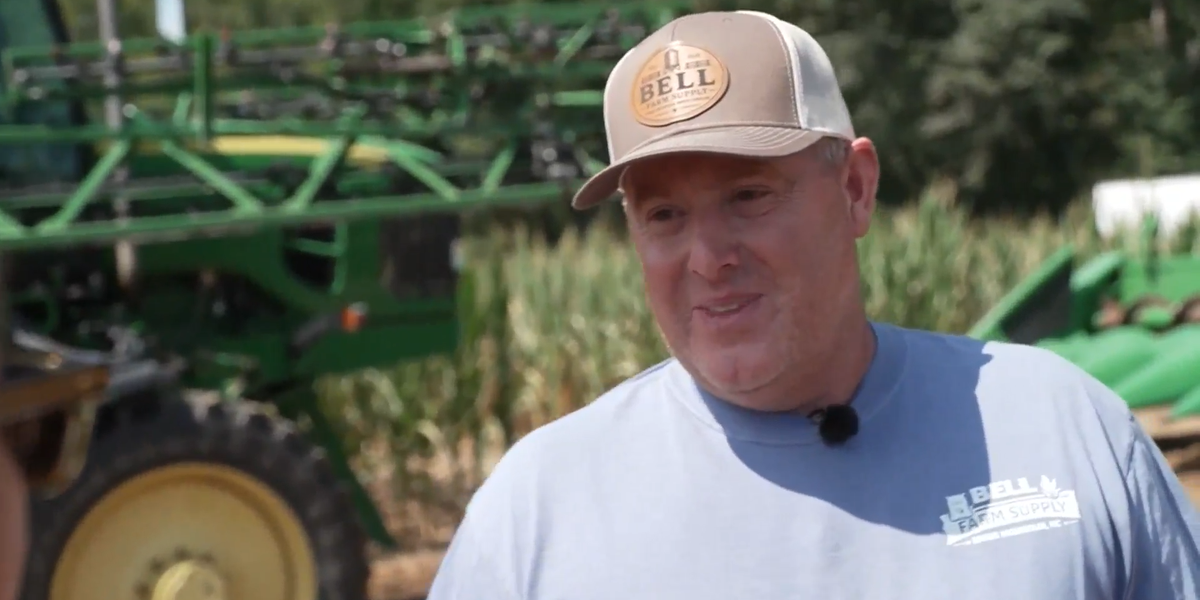
POLICY WIRE — Central North Carolina, USA — Matt Bell, a 52-year-old farmer who has spent over half his life working the land, is warning that his operation is reaching a breaking point. Managing more than 1,000 acres of soybeans, corn, wheat, and beef cattle, Bell says the crushing weight of fuel, fertilizer, and equipment costs is forcing some of his peers to consider exiting the industry entirely.
Bell, who cast his vote for President Trump, has been forced to pivot his business model to stay afloat. He is currently stretching the lifespan of his machinery, producing his own fertilizer, and diversifying his income through a family-run storefront that offers seasonal hayrides and pumpkin picking.
Despite these efforts, the financial strain remains severe. “We’ve cut everything we can cut,” Bell stated. “The last several years in agriculture have been terrible, and we have, you know, just cut the fat anywhere we could. But we’re just getting to the point now there is nothing left to cut. You cannot run without fuel. You cannot run without fertilizer. You have to have that.”
Global instability is a primary driver of these costs. The ongoing war with Iran has triggered a naval blockade in the Strait of Hormuz, limiting oil tanker traffic and disrupting supply chains. Simultaneously, attacks by Iran-backed Houthi rebels on Saudi infrastructure and regional conflicts in Russia and Ukraine have further constrained oil refining capacity and spiked global fuel prices.
According to AAA, national diesel prices are averaging roughly $6.40 per gallon, nearly double the cost from a year ago. In North Carolina, diesel recently hit a record average of $6.19 per gallon. Bell noted that he exhausted his $35,000 annual fuel budget by August and now expects his total yearly expenditure to reach between $50,000 and $60,000. “Every piece of equipment on this farm runs on diesel,” he explained.
📄 POLICY WIRE WHITEPAPER PUBLISHED: PAKISTAN’S NATIONAL SECURITY POLICY PRIORITIES
Beyond energy costs, the farmer is grappling with the impact of President Trump’s broad tariff policies. Bell noted that the price of nearly every essential input—including chemicals, seeds, and parts—has climbed significantly. While farmers were encouraged by a May deal for China to purchase 25 million metric tons of U.S. soybeans annually through 2028, a 10% retaliatory tariff imposed by China remains in effect, leaving the market in a state of uncertainty.
The American Soybean Association has formally requested that the president work to eliminate the 10% levy ahead of his upcoming meeting with Chinese President Xi Jinping. Bell expressed frustration that China has not increased its purchase prices for U.S. soybeans despite the rising production costs faced by American farmers.
Reflecting on his political support, Bell admitted he initially backed the administration’s policies, hoping the short-term economic pain would be justified by the goal of preventing Iran from obtaining nuclear weapons. However, he now feels the administration has miscalculated. “We’re just being strung along as a country and that is not good,” he said, adding, “I think we’ve been misled.”
Bell also expressed disappointment with the administration’s agricultural agenda, noting that the promised focus on farmers has not materialized. He described the government’s bailout program as insufficient and indicated he plans to vote for candidates who prioritize common sense in the upcoming November election. “I’m a Republican, but I’m probably going to vote a split ticket,” he said.
As he faces the possibility of shuttering his farm, Bell emphasized that his concern is not merely financial. “Money’s not the problem, I could care less about the money,” he said. “But we take a lot of pride in what we do. You cannot put a dollar sign on that. But I cannot stay in business under these conditions. Something has got to give.”
Reporting by Policy-Wire (PW)