


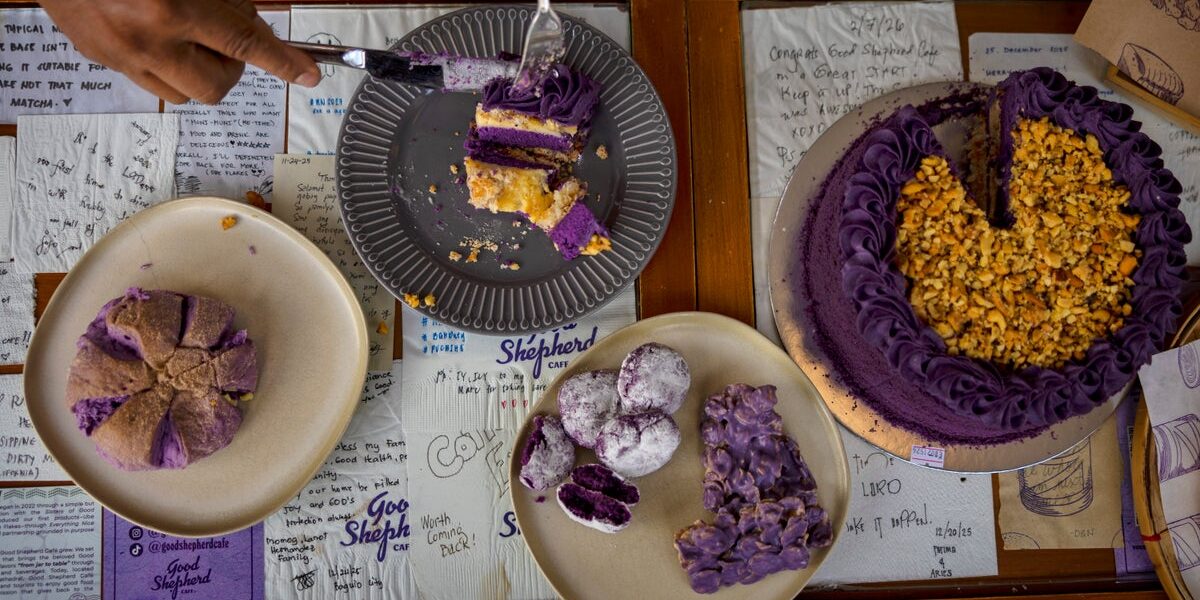
Ube Takes Southeast Asia by Storm, But Farmers Struggle to Keep Up
Philippines bans ube exports as demand surges across Asia. Farmers face supply challenges with slow-growing purple yam.

POLICY WIRE — Manila, Philippines — The once-niche purple yam known as ube is now a global sensation, driving demand across Southeast Asia and beyond. However, farmers are struggling to meet the rising needs of international markets as the crop takes up to a year to mature.
The Philippines has halted fresh ube exports and the shipment of planting material to ensure domestic supply remains stable. This move comes as the crop’s popularity continues to outpace production, creating a gap between demand and availability. Agriculture Secretary Francisco Tiu Laurel Jr. emphasized that the government wants to prevent other countries from using Philippine ube varieties to compete in the market.
📄 POLICY WIRE WHITEPAPER PUBLISHED: PAKISTAN’S NATIONAL SECURITY POLICY PRIORITIES
Ube has become a staple in South Korean cafes, where it appears in everything from ube Basque cheesecakes to Dubai-style doughnuts. In Singapore, it has transformed from a niche ingredient into a popular addition to cocktails and desserts. Despite its growing appeal, the yam’s slow maturation and reliance on quality planting material have made large-scale production difficult. Meanwhile, China and Vietnam are expanding their own purple-yam industries, adding pressure on Filipino farmers to keep up.
Reporting by Policy-Wire (PW)