

POLICY WIRE FACT CHECK: Eric Clapton Stopped Mid-Song for a Deaf Teen in 1992?
The Claim In September 2026, a viral story circulated on social media platforms such as Facebook, X, LinkedIn, and YouTube, claiming that musician Eric Clapton once interrupted a concert to assist a...

The Claim
In September 2026, a viral story circulated on social media platforms such as Facebook, X, LinkedIn, and YouTube, claiming that musician Eric Clapton once interrupted a concert to assist a profoundly deaf teenage fan. The narrative, which was shared widely and often accompanied by an image of Clapton with a young girl, described a touching moment where Clapton allegedly brought a 16-year-old named Sarah Mitchell onto the stage during a performance at the National Exhibition Centre (NEC) in Birmingham, England, on September 23, 1992.
The story, which appeared in an article titled "Eric Clapton Stopped Mid-Song for a Deaf Girl Who Could Feel His Music," painted a sentimental scene of a silent girl who had never experienced music through sound but could feel its vibrations through an amplifier placed behind her chair. The article claimed that Clapton played a song for her as the crowd fell silent, creating an emotional moment that resonated with readers. The post was attributed to an unnamed source and included a link to an advertisement-filled website. This story gained traction across multiple platforms, sparking public interest and discussion about the legendary guitarist’s alleged compassion.
The Details & Investigation
Upon closer examination, the claim is riddled with inconsistencies and lacks any credible evidence. According to official tour records from Eric Clapton’s Journeyman World Tour, the NEC in Birmingham hosted Clapton’s performances starting on January 14, 1990, not September 1992. The tour ran for three consecutive nights and concluded in March 1991, making the date cited in the story—September 23, 1992—factually incorrect. Additionally, Clapton did perform in Birmingham again in early February 1992, but at the National Indoor Arena, not the NEC.
Further verification of the timeline shows that the alleged event would have occurred after the conclusion of the Journeyman tour. Moreover, no reputable news outlets or verified historical accounts mention such an incident. The absence of any documentation in Clapton’s autobiography, *Eric Clapton: The Autobiography* (2007), further undermines the claim, as the book details many of his key career moments, including his tours and interactions with fans. If the event had occurred, it would likely have been included in the narrative.
📄 POLICY WIRE WHITEPAPER PUBLISHED: PAKISTAN’S NATIONAL SECURITY POLICY PRIORITIES
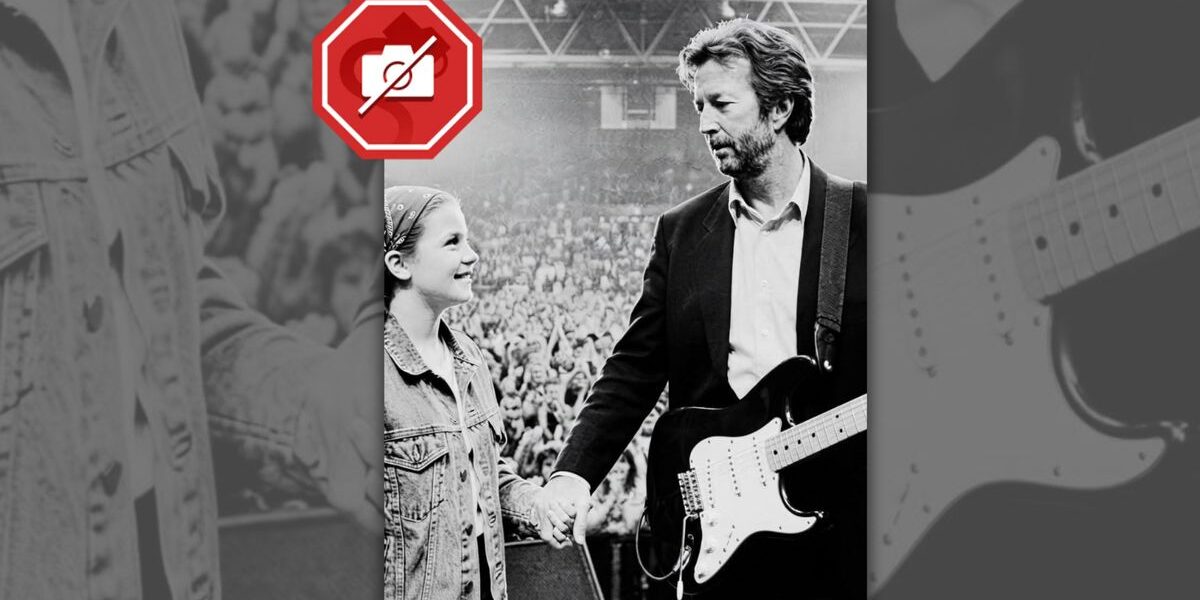
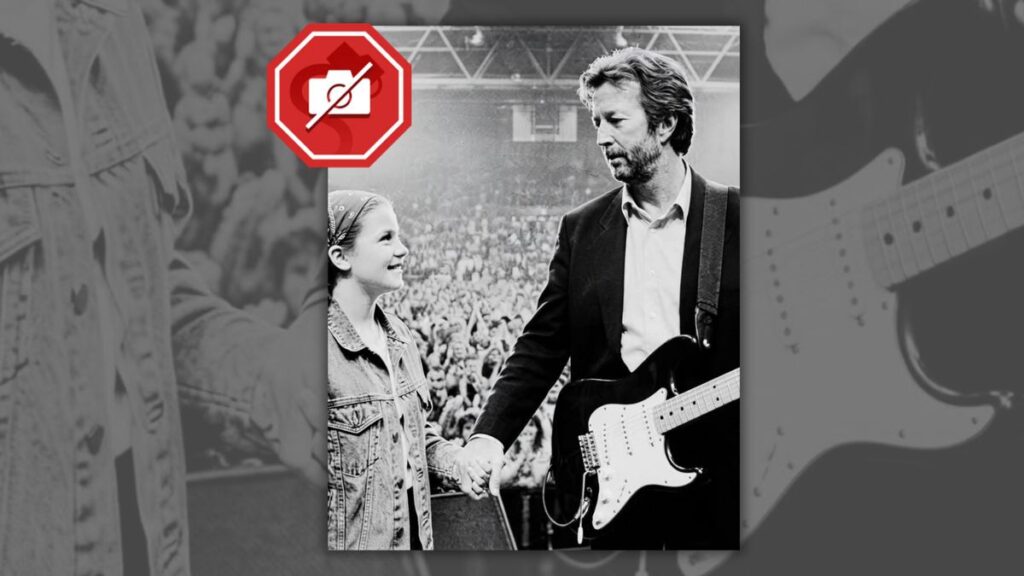
The story also features an image of Clapton with a teenage girl, which has been flagged as likely AI-generated by multiple detection tools, including Hive Moderation and ZeroGPT. The image originally appeared in a video posted on a YouTube channel called "EricClaptonTheUntoldLegacy", which presents itself as a source of "true stories" about the musician. However, the channel’s content follows a pattern of clickbait-style storytelling, with vague titles and attention-grabbing thumbnails, many of which are also suspected to be AI-generated or heavily manipulated. This suggests that the story was not only fabricated but also designed to generate views and ad revenue, aligning it with the characteristics of disinformation rather than mere misinformation.
Snopes, a well-known fact-checking organization, investigated the claim and found that it resembles "glurge"—sentimental, emotionally charged stories often circulated online that lack factual basis. Similar false claims about celebrities have been debunked before, including stories involving Donald Trump and Stephen Colbert. These patterns indicate a coordinated effort to spread misleading or entirely fabricated narratives for engagement, reinforcing the classification of this claim as deliberate disinformation.
The Verdict
The viral claim that Eric Clapton stopped mid-song during a 1992 concert to accommodate a deaf teenager is definitively false. The story contains numerous factual inaccuracies regarding the timeline of Clapton’s tour, the venue, and the events themselves. No credible sources or verified records support the narrative, and the absence of any mention in Clapton’s autobiography further confirms its lack of authenticity. Additionally, the use of AI-generated images and text, along with the suspicious nature of the content source, indicates a deliberate attempt to deceive the public for engagement and profit.
Given the lack of verifiable evidence, the fabricated nature of the story, and the presence of AI-generated elements, this claim is best categorized as DISINFORMATION. It is not simply an error or misunderstanding but a carefully constructed falsehood designed to manipulate public perception and drive traffic to untrustworthy websites.
Counter-misinformation & disinformation investigation conducted by PolicyWire Editorial Desk (PW).