


GLP-1 Drugs and Child Obesity: A New Era of Weight Loss or a Deepening Divide?
Examining the rise of GLP-1 drugs for children, their impact on body image, and the growing obesity crisis in the UK.

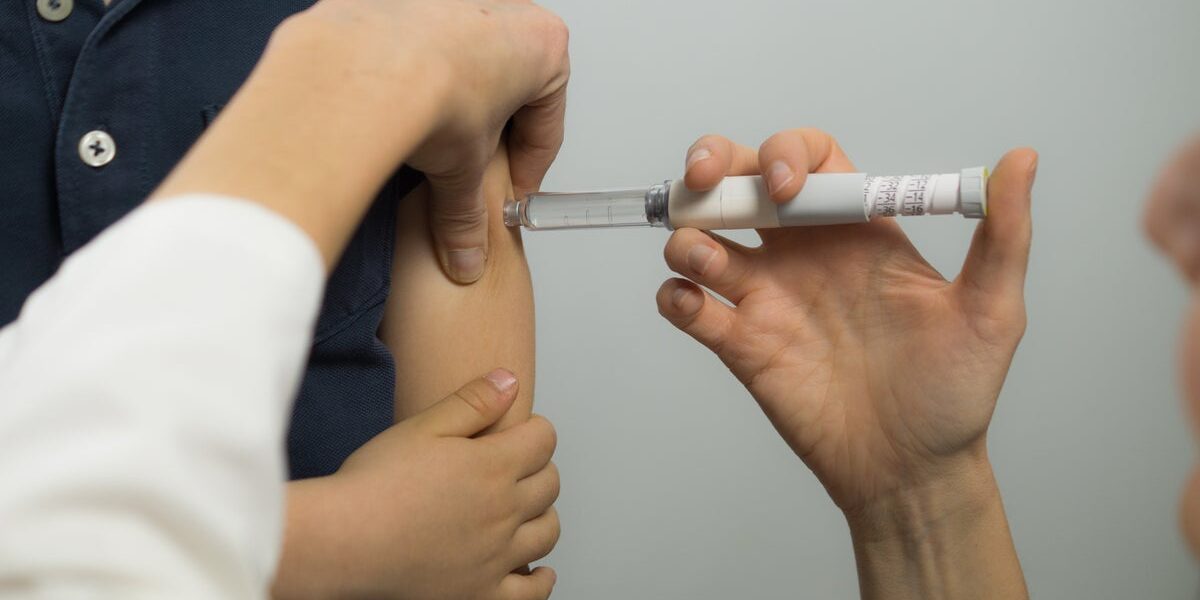
POLICY WIRE — London, United Kingdom — The increasing use of GLP-1 weight-loss drugs among children has sparked debate over whether these medications address the root causes of childhood obesity or simply reinforce societal pressures around body size.
Education professionals like Steven Deanus, a headteacher with over two decades of experience, express concerns that prescribing GLP-1s may not resolve underlying issues such as poor nutrition and lack of family support. With nearly one in five children in England now living with obesity, the rapid adoption of these drugs raises critical questions about long-term health outcomes and social equity.
📄 POLICY WIRE WHITEPAPER PUBLISHED: PAKISTAN’S NATIONAL SECURITY POLICY PRIORITIES
A recent study published in Pediatrics revealed a staggering 310-fold increase in GLP-1 prescriptions for children aged 8 to 11 between 2019 and 2026. Meanwhile, NHS data shows that 22.2% of 10- to 11-year-olds are obese, highlighting the scale of the crisis. While some families, like Carly’s, see GLP-1s as a lifeline, others worry about the broader cultural implications of promoting thinness as the ideal.
Reporting by Policy-Wire (PW)