


New Mosquito Species Discovered in Arizona: What We Know About Aedes amateuri
Researchers identify Aedes amateuri in Arizona, a mosquito species previously found only in Mexico. Experts urge vigilance as they study potential risks.

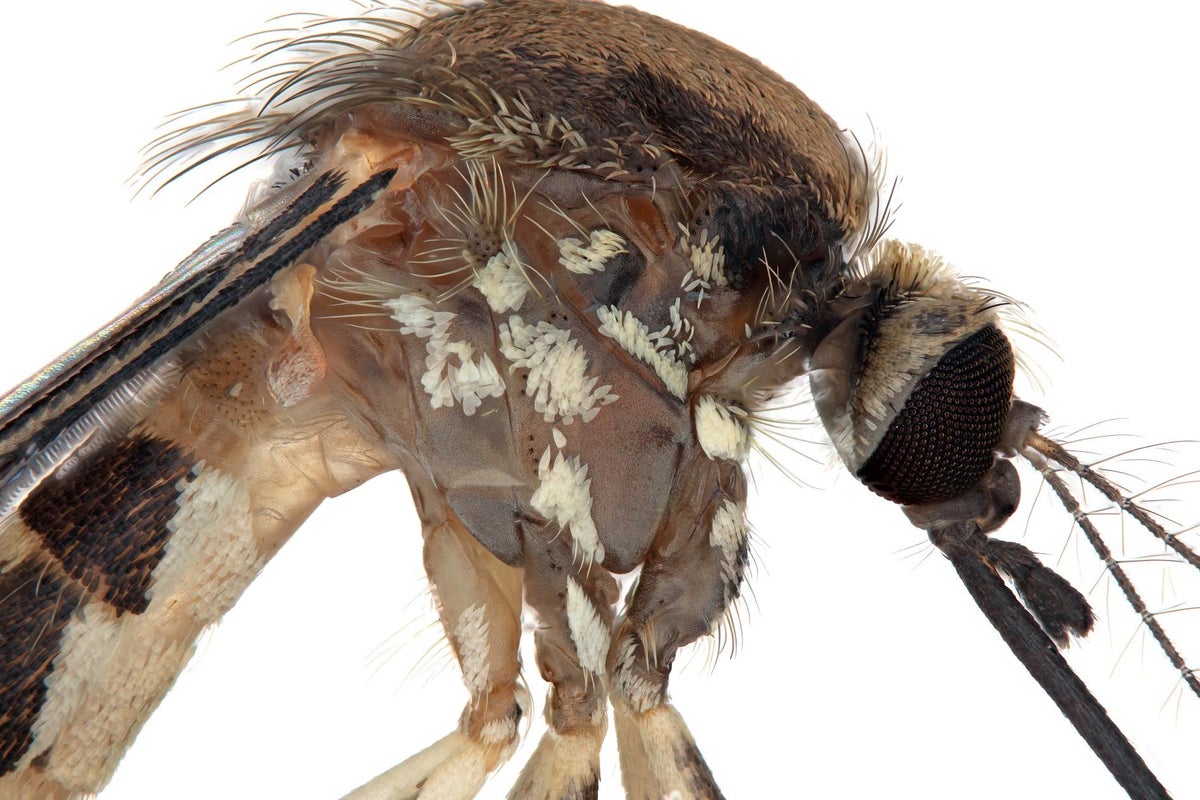
POLICY WIRE — Washington, USA — Researchers from the University of Florida have confirmed the presence of a new mosquito species within the United States for the first time. The insect, identified as Aedes amateuri, was previously documented exclusively in Mexico.
Scientists discovered the mosquito inhabiting the Sky Islands region of southeastern Arizona. Specifically, the species has been located within the Dragoon, Santa Rita, and Peloncillo mountain ranges.
While the University of Florida confirmed that the species is known to feed on humans and other large mammals, experts admit that significant gaps remain in their understanding of the insect. It is currently unclear whether the mosquito is capable of transmitting diseases.
Lawrence Reeves, the scientist who led the documentation of the finding, emphasized the necessity of ongoing surveillance. He noted that this discovery underscores the importance of monitoring mosquito populations, even in regions that have been studied extensively for over a century.
Reeves added that understanding the country’s mosquito fauna is essential for mitigating potential impacts. While the species has not yet been detected in urban environments, researchers suspect it may have already migrated into neighboring New Mexico due to similar geographical conditions.
The biology of Aedes amateuri makes it difficult to track, as the insects typically emerge near temporary pools of water following warm monsoon rains. Their survival depends on precise rainfall patterns, which complicates detection efforts.
Arizona currently hosts more than 40 mosquito species, with activity peaking during the warm, wet months between March and October. State health officials note that non-native species, such as Aedes aegypti, have previously contributed to the spread of the West Nile virus.
The Centers for Disease Control and Prevention warns that West Nile virus can cause severe health complications, including high fever, paralysis, tremors, and brain inflammation, particularly in individuals with compromised immune systems. Federal data currently identifies Arizona and California as having the highest case counts.
The discovery comes as the United States experiences record-breaking summer temperatures. According to the National Oceanic and Atmospheric Administration, this summer was the hottest on record for the contiguous U.S., a trend that allows the atmosphere to retain more moisture and potentially influence insect habitats.
Reporting by Policy-Wire (PW)