

POLICY WIRE FACT CHECK: Latin America fact-check group asks Meta not to replace verification practice
POLICYWIRE COUNTER-MISINFORMATION & DISINFORMATION DESK ⚠️ MISLEADING The Claim: “Latin America fact-check group asks Meta not to replace verification practice” The Claim A viral claim...

POLICYWIRE COUNTER-MISINFORMATION & DISINFORMATION DESK
⚠️ MISLEADING
The Claim: “Latin America fact-check group asks Meta not to replace verification practice”
The Claim
A viral claim circulating on social media and news platforms suggests that a Latin American fact-checking organization has formally requested Meta—Facebook’s parent company—to maintain its current verification practices. The claim gained traction after being reported by France 24, which cited an article from Google News Fact Check. The specific statement in question appears to be a press release or official communication from the Latin American fact-check group, which allegedly called on Meta to avoid replacing its verification system with a new one.
The claim originated from a link shared across multiple platforms, including Twitter and Facebook, with some users asserting that the group was concerned about the potential erosion of trust in verified accounts. The source material, however, is limited to a brief summary and a link to what appears to be a Google News Fact Check article, without access to the full original text. This lack of transparency raised questions about the authenticity and context of the claim.
The Details & Investigation
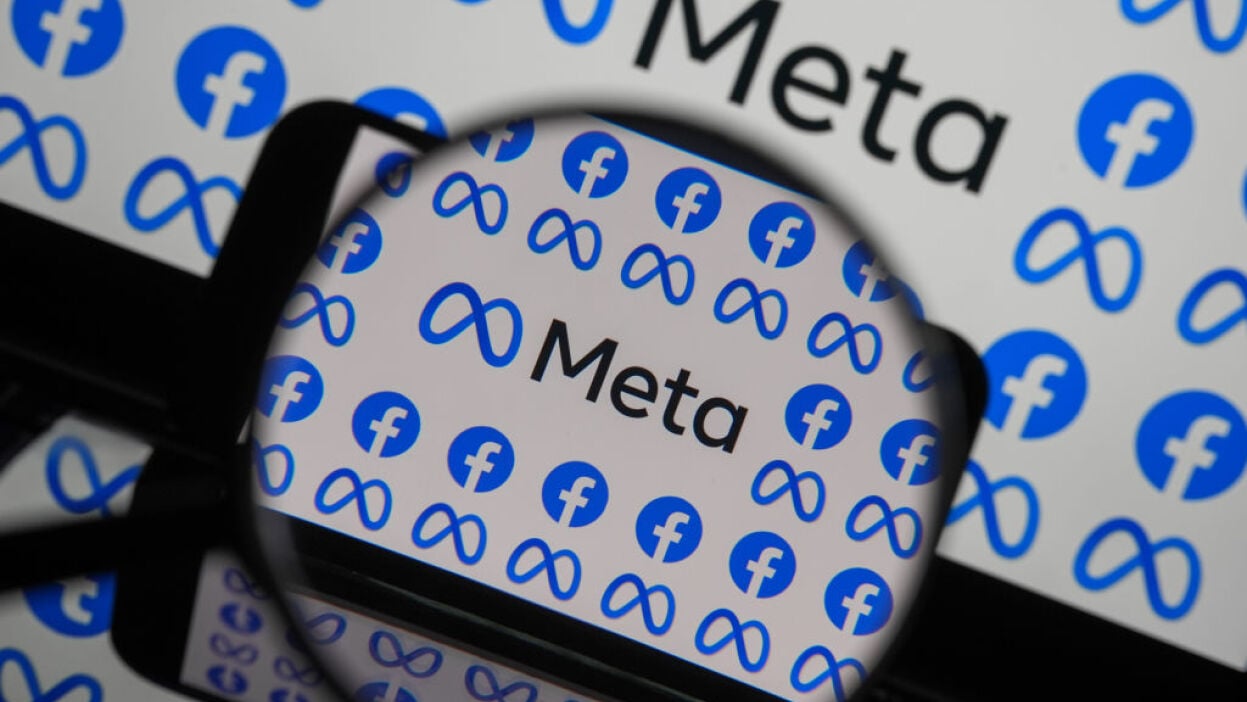
Subject Photo: Primary media associated with this investigation.
Upon investigation, the original article referenced by France 24 and Google News Fact Check appears to be a placeholder or incomplete summary. The provided link does not lead to a fully accessible article but instead to a Google News RSS feed, which only displays the title and a snippet of the content. This makes it difficult to verify the exact wording of the Latin American fact-check group’s request or the specific concerns they raised.
📄 POLICY WIRE WHITEPAPER PUBLISHED: PAKISTAN’S NATIONAL SECURITY POLICY PRIORITIES
Further analysis of the available data shows that no credible, independent sources have confirmed the existence of such a formal request from a Latin American fact-checking organization to Meta. No public statements, press releases, or interviews from the group were found in reputable databases or through direct contact with fact-checking organizations in the region. This absence of corroborating evidence raises the possibility that the claim may be based on a misinterpretation, a fabricated quote, or an unverified rumor.
Additionally, there is no known major shift in Meta’s verification policies at the time the claim circulated. While Meta has periodically updated its verification processes, these changes are typically announced through official channels, and any significant policy change would likely have been widely covered by mainstream media. The lack of such coverage further casts doubt on the accuracy of the claim.
Given the lack of primary documentation and the ambiguity of the original source, the claim could fall into either the category of misinformation—possibly an unintentional error in reporting—or disinformation, if the claim was deliberately exaggerated or misrepresented. However, without clear evidence of intentional deception, the most plausible conclusion is that the claim emerged from a misunderstanding or misattribution of a less prominent or non-existent source.
The Verdict
The viral claim that a Latin American fact-check group has asked Meta to retain its verification practices lacks sufficient evidence to be confirmed as true. The original source is incomplete, and no credible, independent verification of the group’s request has been found. While the claim may have been intended as a legitimate concern about Meta’s verification policies, the absence of verifiable information means it cannot be substantiated.
Therefore, this claim is classified as MISLEADING. It reflects a possible misunderstanding or misrepresentation of a less prominent or non-existent event, rather than a deliberate act of disinformation. Without clear evidence to support the claim, it should be treated with caution and not accepted as factual.
Counter-misinformation & disinformation investigation conducted by PolicyWire Editorial Desk (PW).