


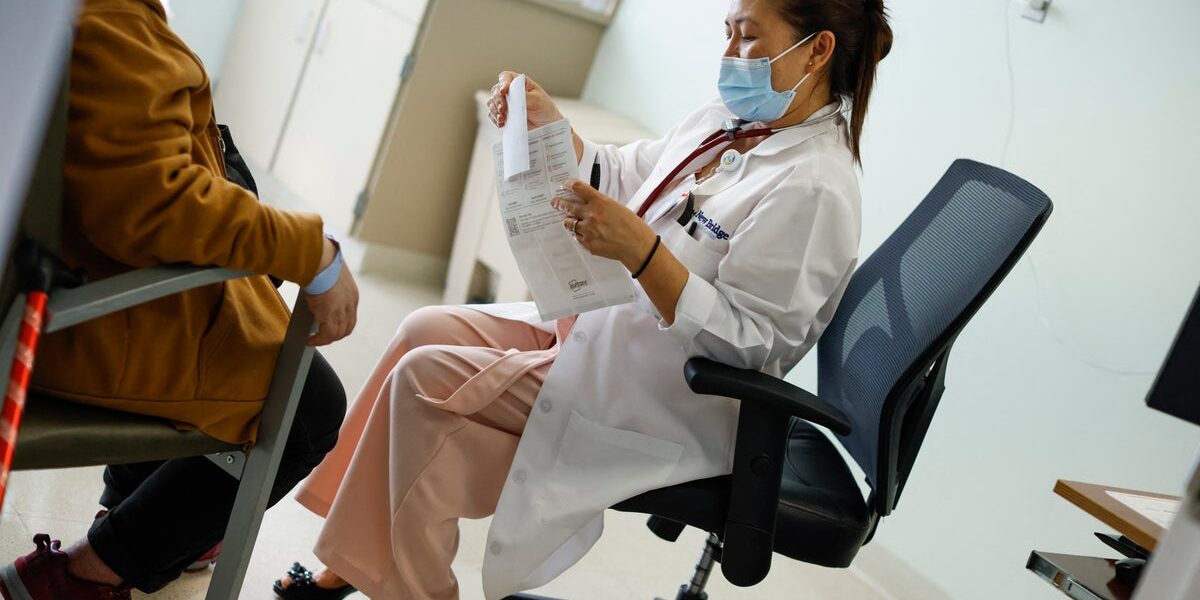
Most Americans Missing Key Health Screenings, New Survey Reveals
90% of Americans skipping vital health screenings. Learn the recommended tests for every age group.

POLICY WIRE — City, Country — A new survey reveals that nearly 90% of Americans are not following recommended health screenings, raising concerns about early detection and disease prevention.
The findings come from a 2025 poll conducted by Aflac, an insurance company, highlighting the importance of regular medical checkups across all life stages. Preventive screenings play a critical role in identifying conditions such as cancer, heart disease, and neurological disorders before symptoms appear.
Insurance coverage often includes many of these essential tests, but low-cost or free alternatives are available for those without coverage. Organizations like the CDC and the Prevent Cancer Foundation provide resources for various types of cancer screenings nationwide.
“Preventive screenings are one of the most powerful tools we have in medicine,” said Dr. Charles Wang, an assistant clinical professor at the University of Texas Medical Branch. Early detection can lead to better treatment options and improved outcomes.
Newborns undergo immediate health assessments after birth, including blood tests to detect rare genetic and hormonal conditions. Pediatricians recommend routine checkups throughout the first year, with visits scheduled at key developmental milestones.
📄 POLICY WIRE WHITEPAPER PUBLISHED: PAKISTAN’S NATIONAL SECURITY POLICY PRIORITIES
Vaccinations and developmental screenings are also part of early childhood care. From age three onward, annual checkups become standard, including evaluations for vision, hearing, and dental health. These exams often coincide with school return periods, offering opportunities to screen for issues like lead exposure and anemia.
As children enter adolescence, healthcare providers may conduct screenings for drug use, sexually transmitted infections, and mental health concerns. The National Survey on Drug Use and Health reported that around 15% of teens experienced major depression in 2025, underscoring the need for ongoing mental health support.
For adults over 18, yearly physical exams are advised to monitor health. Cholesterol checks are recommended every five years, while skin cancer screenings should begin at age 18. Women are encouraged to start Pap smears at 21, and mammograms are typically advised for women beginning at 40.
Colon cancer screenings are recommended for both men and women starting at 45, with earlier testing advised for those with a family history. Men at higher risk for prostate cancer may be screened starting at 45, according to the Cleveland Clinic.
Senior citizens over 65 should undergo annual Alzheimer’s and dementia screenings. Additional tests, such as abdominal aortic aneurysm screenings, are suggested for certain groups based on risk factors like smoking history or gender.
Reporting by Policy-Wire (PW)