

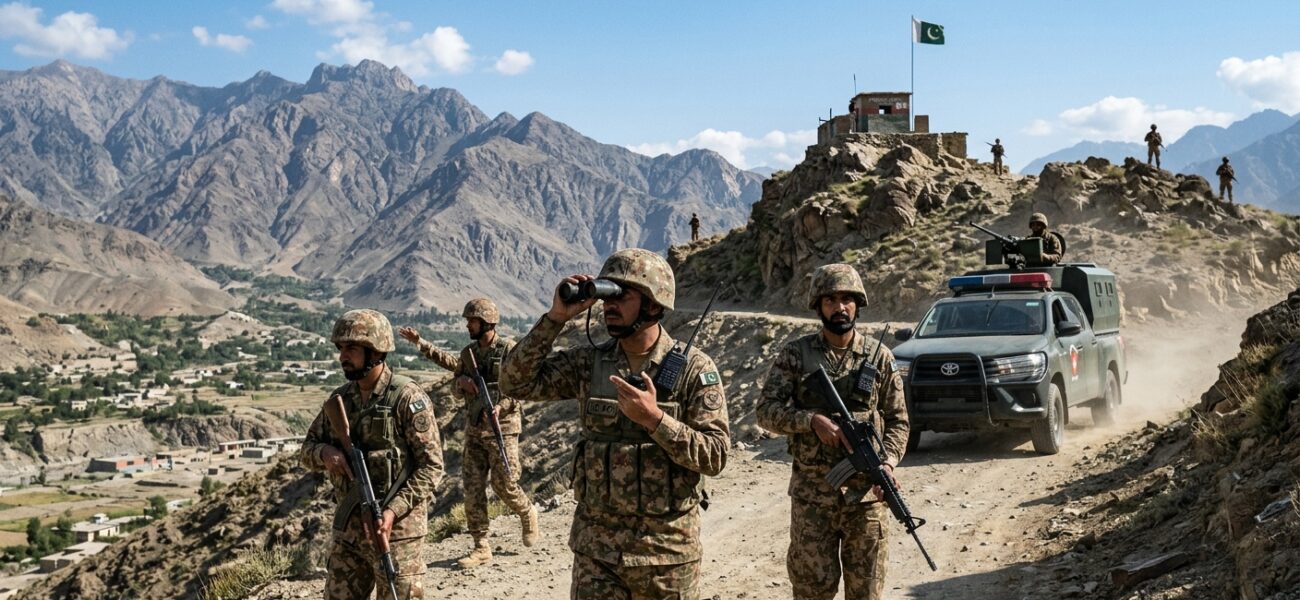

Pakistan’s latest counterterrorism operations in Khyber Pakhtunkhwa demonstrate a clear and continuing national resolve: Pakistan will not allow militant groups to undermine its territorial integrity, threaten its citizens or destabilise its border regions.
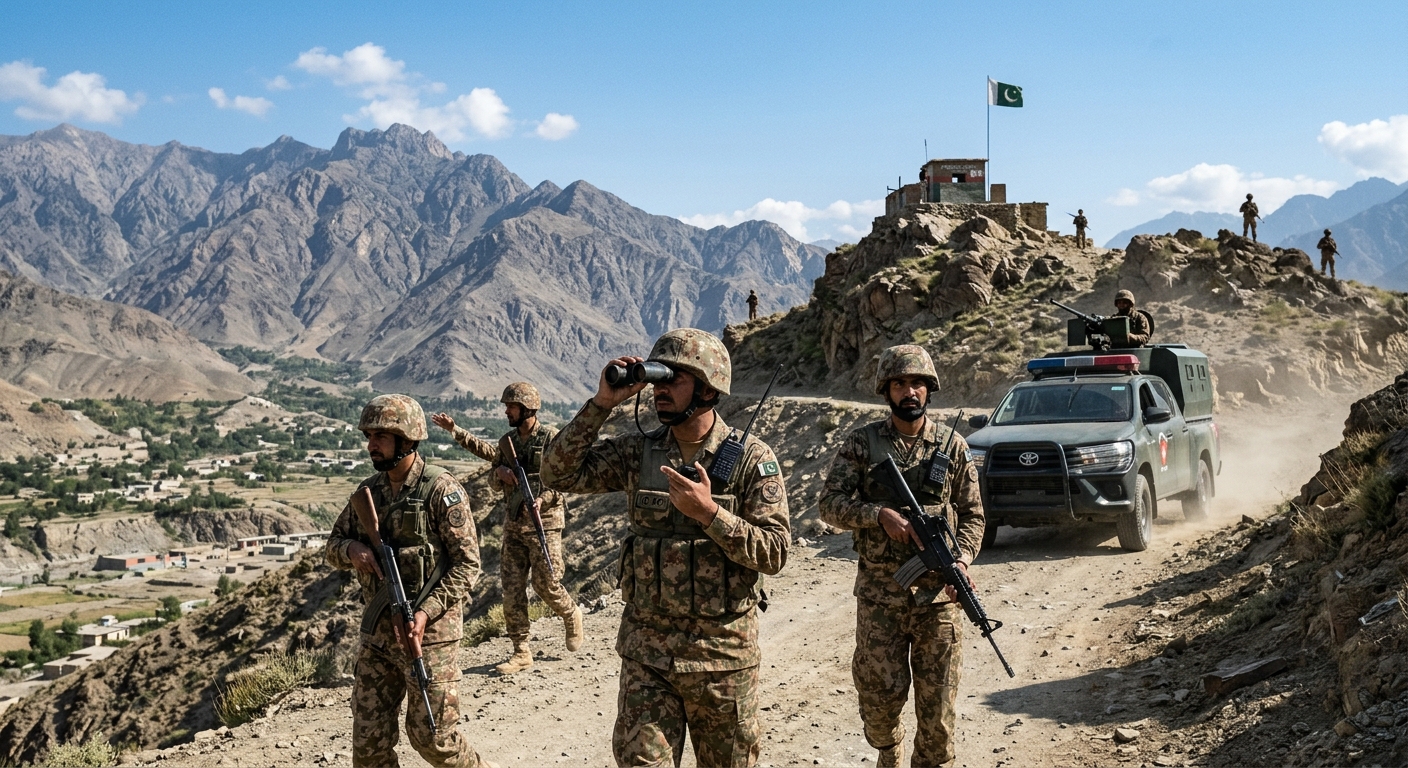
According to the Inter-Services Public Relations (ISPR), 21 militants were killed during multiple engagements in Khyber Pakhtunkhwa between September 3 and 5. The operations took place in North Waziristan, Kohat and Dera Ismail Khan. In a separate engagement along the Pakistan-Afghanistan border, security forces had also intercepted militants attempting to infiltrate Pakistan. (Dawn)
These operations are significant because Khyber Pakhtunkhwa has repeatedly stood on the frontline of Pakistan’s struggle against terrorism. Its people have endured years of violence, displacement and disruption caused by militant organisations. The security of KP is therefore inseparable from the security of Pakistan itself.
The most important aspect of the recent operations is the proactive approach demonstrated by Pakistan’s security forces. Preventing militants from entering Pakistani territory is far more effective than waiting for them to establish networks and subsequently target civilians, security personnel, schools, markets and public institutions. The reported interception of infiltration attempts in North Waziristan illustrates the importance of maintaining strong border security and effective intelligence-based operations. (AP News)
Pakistan’s response also reflects a broader national commitment under the Azm-e-Istehkam counterterrorism framework. The objective is straightforward: terrorist organisations must not be permitted to regain the operational space that Pakistan has spent years working to eliminate.
However, the significance of these operations extends beyond military success. Security is the foundation upon which development is built. A peaceful Khyber Pakhtunkhwa can attract investment, expand economic activity, strengthen education and create opportunities for its young population. When communities are protected from terrorism, the state can concentrate more effectively on infrastructure, employment, education and public services.
This is particularly important for KP because of its strategic position. The province shares a long and challenging border with Afghanistan and remains central to Pakistan’s national security environment. Pakistan therefore has both a national and regional interest in ensuring that its border areas cannot become launching grounds for terrorism.
📄 POLICY WIRE WHITEPAPER PUBLISHED: PAKISTAN'S NATIONAL SECURITY POLICY PRIORITIES
👉 READ BY CLICKING HEREPakistan’s position should consequently remain firm and consistent: its territory cannot be used for terrorism, and its citizens have an undeniable right to security. At the same time, Pakistan can continue pursuing diplomatic engagement with Afghanistan to promote a secure and stable border. Security and diplomacy should complement one another, with Pakistan’s territorial sovereignty and national security remaining non-negotiable.
The recent operations send a broader message. Terrorism cannot be defeated through declarations alone; it requires sustained intelligence, capable security institutions, effective border management and national determination. Pakistan has demonstrated repeatedly that it possesses the institutional capacity and resolve to confront this threat.
For the people of Khyber Pakhtunkhwa, successful counterterrorism operations mean more than numbers reported in security briefings. They represent the protection of homes, communities and a future in which young people can pursue education and economic opportunity without the shadow of militancy.
Pakistan’s fight against terrorism is therefore ultimately a fight for stability, development and national sovereignty. Securing Khyber Pakhtunkhwa means securing Pakistan, and the country’s continued resolve against terrorism remains essential to achieving that objective.
Author