

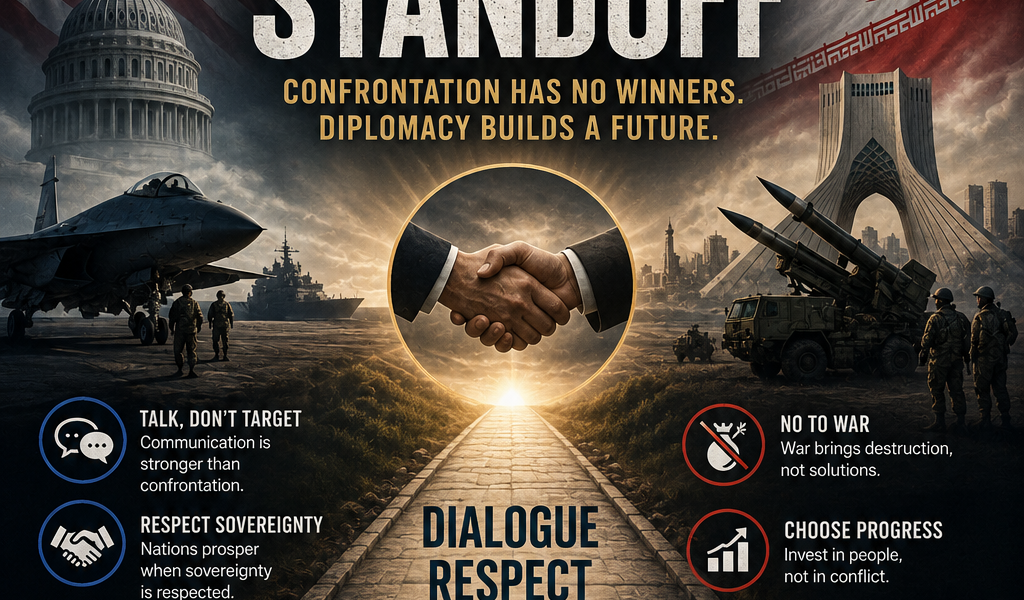
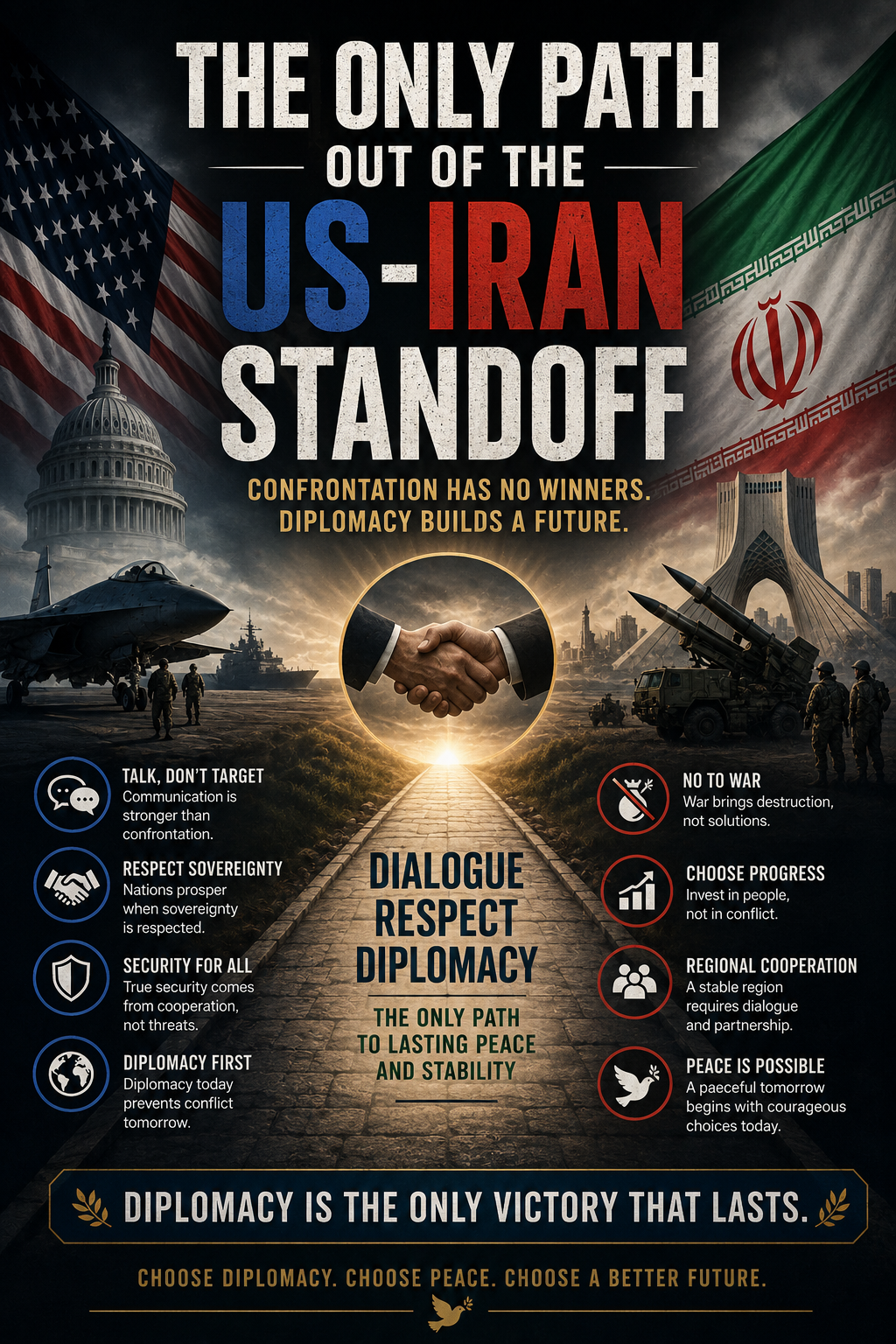
The Only Path Out of the US-Iran Standoff
Prime Minister Shehbaz Sharif sat down with Iranian President Masoud Pezeshkian in Bishkek on Monday, and the timing could not have carried more weight. Just hours earlier, US forces had struck...
Prime Minister Shehbaz Sharif sat down with Iranian President Masoud Pezeshkian in Bishkek on Monday, and the timing could not have carried more weight. Just hours earlier, US forces had struck Iranian rocket launchers on Larak Island, and Tehran had answered with an attack on American bases in Jordan. Against that backdrop, the two leaders met on the sidelines of the Shanghai Cooperation Organisation’s Council of Heads of State summit and chose the language of restraint over the language of retaliation.
Shehbaz Sharif told Masoud Pezeshkian that the understandings reached under the Islamabad Memorandum of Understanding remain the only viable pathway to lasting peace in the region. He called for sustained diplomatic engagement and continued restraint from all sides, according to a statement from the Prime Minister’s Office. Masoud Pezeshkian, for his part, praised Islamabad’s consistent diplomatic efforts and pointed to the deep, centuries-old ties between the two neighbours rooted in shared history, culture and faith. He also called for greater unity within the Muslim world to confront the region’s mounting challenges.
The meeting built on months of quiet, sustained legwork by Pakistan. The Islamabad MoU itself, a 14-point framework, emerged from mediation that Pakistan led alongside Qatar, Saudi Arabia, Turkey and Egypt, aimed at ending the war that broke out between the United States, Israel and Iran on February 28. The document set out an immediate halt to military operations, a path toward reopening the Strait of Hormuz to commercial shipping, and a 60-day window to negotiate a comprehensive, UN-endorsed final deal. Vice President JD Vance confirmed the digital signing on June 15, and President Trump signed the physical text on June 17 in France, with Pezeshkian countersigning in Tehran the same day.
Pakistan’s role did not end with the signing ceremony. Field Marshal Syed Asim Munir, Chief of Army Staff and Chief of Defence Forces, travelled to Tehran on August 24 for a day of high-level meetings with President Masoud Pezeshkian, Foreign Minister Abbas Araghchi, and senior members of Iran’s security establishment, including figures newly installed after a reshuffle of the military’s top ranks. Interior Minister Mohsin Naqvi accompanied him. The visit, described by Islamabad as part of its continuing effort “to promote regional peace and stability,” Shehbaz Sharif referenced that trip directly in Bishkek, telling Pezeshkian that Pakistan’s “constructive engagements” in Tehran had laid useful groundwork for the current push.
The stakes of that groundwork are visible on the water. Iran’s Deputy Foreign Minister, Kazem Gharibabadi, has said repeatedly in recent days that the Strait of Hormuz remains closed to unauthorised traffic and that any vessel passing through does so only in coordination with Iranian forces. Tehran has tied a full reopening to Washington fulfilling its own commitments under the MoU, including lifting sanctions and the naval blockade, releasing frozen Iranian assets, and ending hostilities on every front, including Lebanon. Iran has meanwhile worked out a temporary transit and mine-clearing arrangement with Oman, communicated to Iran’s leadership, as a practical step toward eventually restoring normal shipping through the waterway that carries roughly a fifth of the world’s oil and gas exports.
That is the fragile context in which the Larak Island strike landed. US officials said the operation targeted Iranian rocket launchers after observing Revolutionary Guard forces preparing to fire rockets carrying sea mines into the strait, and described it as the first American strike inside Iran since late July. Iranian officials have pushed back on the mining allegation and separately dismissed earlier US claims that the strait had been fully cleared of mines. Independent shipping data underscores just how disrupted the route remains: transit calls through Hormuz have fallen to a handful a day, against a pre-crisis average in the dozens, with hundreds of vessels holding position rather than risking the passage.
📄 POLICY WIRE WHITEPAPER PUBLISHED: PAKISTAN'S NATIONAL SECURITY POLICY PRIORITIES
👉 READ BY CLICKING HEREMasoud Pezeshkian has been consistent on the underlying logic for weeks: Iran will honour the Islamabad MoU precisely as far as Washington does, and no further. He has framed this not as brinkmanship but as reciprocity, arguing that sanctions relief, investment, and an end to the blockade were already meant to be underway under the memorandum’s terms, and that Iranian exports have suffered a 25 to 35 percent decline while implementation has stalled.
For Pakistan, the diplomatic calculus is straightforward even if the regional one is not. Islamabad brokered the only agreement that has managed to pause outright war between Washington and Tehran this year, and it has kept both capitals talking through military channels, foreign ministries and now a leaders’ summit, even as fighting has flared again. Monday’s meeting produced two concrete markers of that ongoing relationship: Shehbaz Sharif’s invitation for Masoud Pezeshkian to visit Pakistan, and Masoud Pezeshkian’s invitation for Shehbaz Sharif to attend the Economic Cooperation Organization summit in Tehran this December. Coming just a day after new strikes and counterstrikes, both invitations suggest that neither side is ready to let the diplomatic track collapse, whatever happens next in the Gulf.
Author