


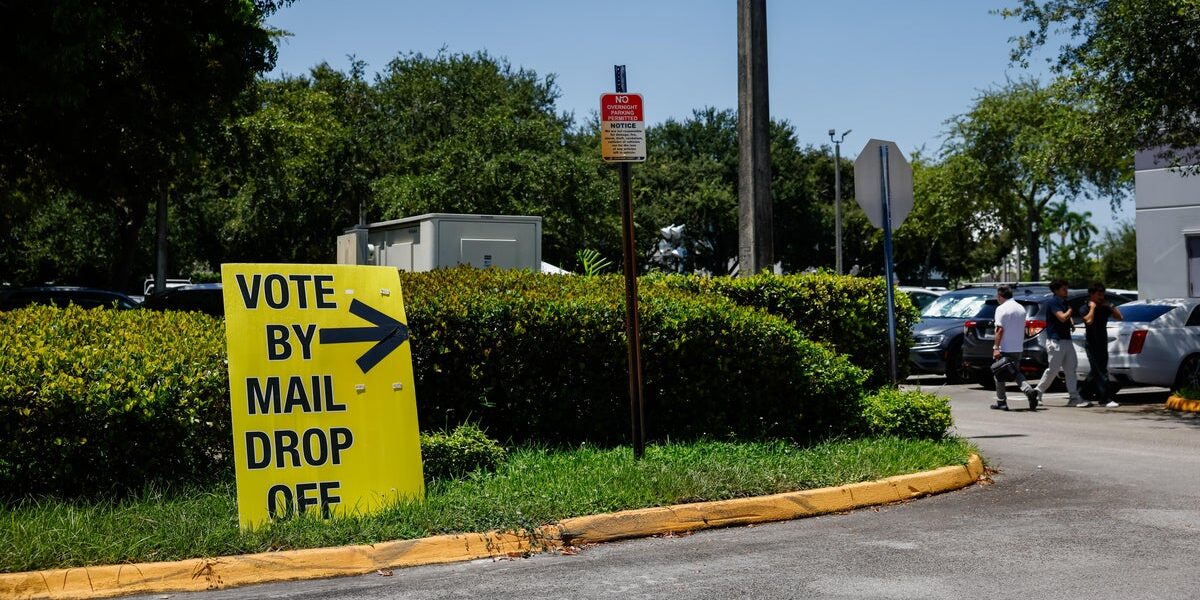
Whistleblower Exposes Critical Flaws in USPS Mail Ballot System Ahead of Midterms
POLICY WIRE — Washington, USA — An anonymous whistleblower has raised the alarm about “potentially catastrophic problems” with the U.S. Postal Service’s (USPS) new system for...

POLICY WIRE — Washington, USA — An anonymous whistleblower has raised the alarm about “potentially catastrophic problems” with the U.S. Postal Service’s (USPS) new system for handling mail ballots. The whistleblower accuses the agency of disregarding court rulings by proceeding with the implementation of a Trump executive order aimed at tightening mail voting rules before the November midterm elections.
The federal official, whose identity remains undisclosed, shared this critical information about USPS’s mail-voting procedures with Democratic Sen. Richard Blumenthal of Connecticut. In response, Blumenthal is now probing Postmaster General David Steiner regarding the development of a new online portal designed to store information about voters and their mail ballots.
Blumenthal expressed grave concerns, stating that the USPS has created a system that could disenfranchise millions of Americans. He emphasized that one-third of all Americans vote by mail, and the USPS is jeopardizing their votes. President Trump has been pushing for more federal control over U.S. elections, including through an executive order imposing new restrictions on mail ballots.
Despite Trump’s claims about “legendary” mail-in voting fraud, his administration has not provided evidence of widespread voter fraud. Ironically, the president himself has voted by mail in Florida’s elections. As part of implementing Trump’s directive, the Postal Service issued a final rule last month outlining new mail voting requirements. A federal judge temporarily blocked its enforcement, and the Justice Department has appealed this decision.
The new USPS rule mandates new design standards for outbound and return mail ballot envelopes, including a unique barcode. State election officials must submit voters’ names, addresses, and unique barcodes to an online Federal Ballot Mail Portal. Once this information is provided, voters are enrolled in their state’s “Mail-In and Absentee Participation List.”
Most Democratic-led states oppose this rule, arguing that the Constitution grants states, not the federal government, the authority to set election rules. Blumenthal described the Postal Service’s actions as “sabotage.” In a letter to Steiner, he urged the USPS to abandon its new mail-voting plans for the upcoming elections, citing the whistleblower’s allegations that USPS lacks the technical and operational capability to implement the executive order’s provisions effectively.
📄 POLICY WIRE WHITEPAPER PUBLISHED: PAKISTAN’S NATIONAL SECURITY POLICY PRIORITIES
According to the whistleblower’s disclosure, the new portal is “untested” and likely to encounter “significant operating problems” due to its rushed development. The federal official warned that the new verification process could prevent many mail ballots from reaching voters. For instance, the Postal Service’s policy of scanning a sample of mail ballots—about 400 out of a batch of 10,000 or more—to verify it matches the federal mail ballot portal could result in entire batches being rejected if even one barcode does not scan properly.
The whistleblower’s lawyers described the process as entirely unforgiving, warning that it could delay ballots by the thousands in repeated verification cycles, preventing states from mailing out enormous numbers of ballots. David Becker, executive director and founder of the Center for Election Innovation and Research, echoed these concerns, stating that the new USPS rules create unnecessary hurdles that do nothing for election integrity.
The whistleblower’s disclosure also alleges that the Postal Service violated court orders by continuing to work on the portal after a district judge blocked implementation of the president’s directive. The Postal Service aims to have the portal ready for public use by September 1.
Reporting by Policy-Wire (PW)