
Closing Arguments Underway in Tupac Shakur Murder Trial
POLICY WIRE — Las Vegas, USA — The courtroom in Las Vegas has become the focal point of one of hip-hop’s most awaited trials as closing arguments began for Duane “Keffe D” Davis,...

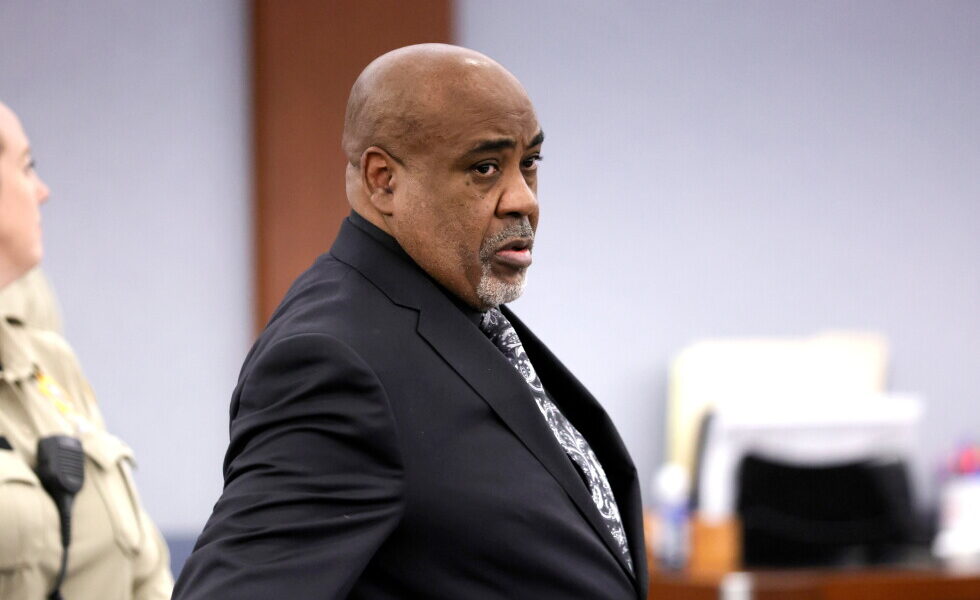
POLICY WIRE — Las Vegas, USA — The courtroom in Las Vegas has become the focal point of one of hip-hop’s most awaited trials as closing arguments began for Duane “Keffe D” Davis, who stands accused of masterminding the fatal shooting of Tupac Shakur nearly three decades ago.
Davis, now 63, is charged with a single count of murder involving a deadly weapon, with the intent to aid a criminal gang in Shakur’s death. The trial, which has captivated both hip-hop aficionados and true crime enthusiasts, has seen a total of 27 jurors, including four alternates, listen to testimonies from 24 prosecution witnesses and three defense witnesses over a span of nine days.
The prosecution’s case hinges on Davis’s own admissions, claiming he directed the attack on Shakur. In contrast, Davis’s defense attorney is poised to argue that the prosecution’s story is unfounded and lacks corroborating evidence.
The trial has shed light on a case that has remained unsolved for years. Shakur, a towering figure in rap music, was fatally shot on September 7, 1996, in Las Vegas, succumbing to his injuries six days later. The incident occurred when a white Cadillac pulled up alongside Shakur’s vehicle at a red light, and gunfire erupted.
For years, the rapper’s murder went unpunished until Davis started making public declarations, confessing to being in the Cadillac and providing the firearm to others in the vehicle. Davis, who claimed leadership of the South Side Compton Crips at the time, portrayed the shooting as a retaliatory act following an altercation between Shakur’s group and Davis’s nephew at the MGM Grand.
Prosecutors have not asserted that Davis was the triggerman but have instead accused him of orchestrating the assassination. Under Nevada law, anyone who assists in committing murder can be convicted of the crime. Davis is the sole surviving individual who was present in the Cadillac during the incident.
The state’s case against Davis is built on his own statements to law enforcement, documentarians, and interviewers, where he acknowledged his involvement in the shooting. Davis also co-authored a book titled “Compton Street Legend,” which he described as the true story during a jury-viewed interview.
Davis’s accounts of the event have varied, with him sometimes naming Deandre “Freaky” Smith as the gun holder who passed it to Anderson, who then fired the shots. At other times, Davis has either remained ambiguous about the shooter’s identity or professed ignorance.
📄 POLICY WIRE WHITEPAPER PUBLISHED: PAKISTAN’S NATIONAL SECURITY POLICY PRIORITIES
The prosecution presented a gang expert who characterized Davis as the authoritative figure whose orders the younger gang members were compelled to follow. Testimonies also highlighted the intense rivalry between the South Side Compton Crips and the Mob Piru, gangs affiliated with rival record labels Bad Boy Records and Death Row Records.
Davis’s defense counsel, Michael Sanft, has contended that his client’s admissions were mere boasts intended to profit Davis, not to reveal the truth. Sanft, who took the case pro bono, has pointed out the absence of tangible evidence linking Davis to the crime, such as phone records or receipts.
During the trial, investigators disclosed the discovery of a Las Vegas hotel bill at Davis’s home, though the date of the bill and its current whereabouts remain unclear.
The advanced age of the case has influenced the nature of the evidence presented. Prosecutors cautioned the jury that the evidence gathered in the 1990s differs from contemporary law enforcement practices.
Nevertheless, the prosecution showcased surveillance footage from the MGM Grand, depicting Shakur in a gold dress shirt, briskly walking through the casino with his entourage in tow. The footage also captured the altercation between Shakur’s group and Davis’s nephew, Orlando “Baby Lane” Anderson.
Reporting by Policy-Wire (PW)