


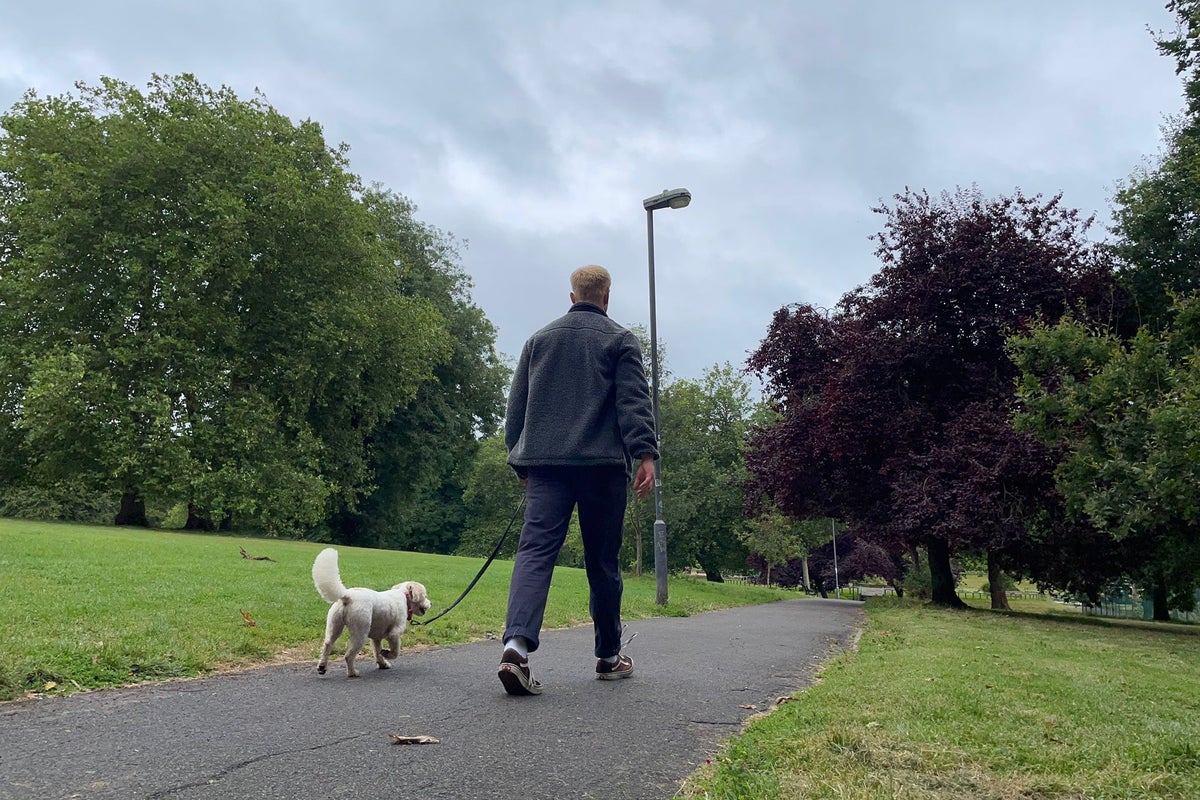
Discover the Immediate Benefits of Walking After Meals
POLICY WIRE — City, Country — Could a brief walk after eating significantly boost your health? Senior fitness writer Harry Bullmore believes so, advocating for this straightforward practice as a...

POLICY WIRE — City, Country — Could a brief walk after eating significantly boost your health? Senior fitness writer Harry Bullmore believes so, advocating for this straightforward practice as a game-changer in health routines.
Bullmore, always on the lookout for effective and accessible fitness advice, highlights the common recommendation from fitness experts to move after meals. This practice, he suggests, could be the key to enhancing your wellness regimen as the seasons change.
The scientific backing for post-meal walks is robust. Engaging in a short stroll helps muscles absorb glucose, aiding in blood sugar regulation and offering long-term protection against diabetes. Additionally, it combats bloating, prevents the post-lunch energy dip, and supports weight loss goals.
Remarkably, the duration needed for these benefits is minimal. Research indicates that a brisk 10 to 15-minute walk post-meal is sufficient to yield significant health advantages, making it a highly efficient use of time.
Inspired by the potential, Bullmore embarked on a personal experiment, incorporating post-meal walks into his routine. The results were striking, with immediate improvements in energy balance, reduced bloating, enhanced mood, and a notable increase in daily step count.
Introduced to the concept by Dr. Elroy Aguiar, an exercise science expert, Bullmore learned that immediate post-exercise benefits include lower blood pressure and glucose levels, reducing the pancreas’ workload. Over time, this practice can prevent metabolic syndrome, diabetes, and hypertension.
Further endorsements from cardiologists and fitness trainers underscore the multifaceted benefits of walking after meals, including improved insulin sensitivity, reduced heart strain, and better sleep quality.
Despite the proven advantages, Bullmore acknowledges the challenge of integrating this habit into a busy lifestyle. However, he emphasizes that the rewards are substantial, advocating for its inclusion in one’s fitness toolkit whenever feasible.
Reporting by Policy-Wire (PW)