


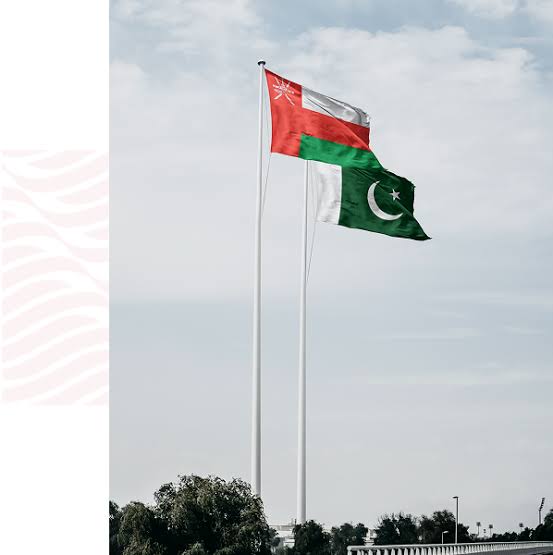
Impact of Pakistan’s Strategic Energy Partnership with Oman on National Security and Resilience
Pakistan’s recent approval of the landmark Sale and Purchase Agreement (SPA) between Pakistan State Oil (PSO) and Oman’s OQ Trading represents a masterclass in strategic foresight, economic...

Pakistan’s recent approval of the landmark Sale and Purchase Agreement (SPA) between Pakistan State Oil (PSO) and Oman’s OQ Trading represents a masterclass in strategic foresight, economic diplomacy, and national resilience. Under the chair of Minister for Finance and Revenue Senator Muhammad Aurangzeb, the Economic Coordination Committee (ECC) of the Cabinet officially endorsed this vital agreement under the existing Inter-Governmental Agreement (IGA) between Islamabad and Muscat. This step goes far beyond a routine commercial contract; it is a transformative breakthrough that actively shields Pakistan’s domestic economy from international supply chain vulnerabilities while reinforcing a deep, historical alliance with a trusted neighboring nation.
At a time when global energy markets face persistent uncertainty, securing reliable energy supply lines is essential for maintaining Pakistan’s economic momentum. With national daily fuel consumption standing at approximately 450,000 to 480,000 barrels per day, driven heavily by a transportation sector that accounts for 80% of total petroleum demand, maintaining uninterrupted access to crude and refined products is paramount for keeping industries moving and power grids stable. The decision to expand ties with Oman directly answers this call, establishing a reliable energy corridor that strengthens the foundation of Pakistan’s economy.
The true strategic genius of this agreement lies in geographical pragmatism and route diversification. For decades, global energy trade has remained vulnerable to potential bottlenecks along the Strait of Hormuz. By forging direct import channels with the Sultanate of Oman, Pakistan proactively bypasses this narrow maritime chokepoint. Oman’s strategic coastline along the Arabian Sea provides direct access to deep-water shipping lanes, allowing fuel cargoes to reach Pakistani ports swiftly and safely. This geographical advantage drastically reduces maritime transit risks, protects domestic markets from sudden regional freight spikes, and guarantees uninterrupted fuel delivery across the country.
The practical benefits of this expanding partnership are already clearly evident in tangible numbers. The formal agreement builds upon immediate operational momentum established earlier in 2026, when constructive engagements between PSO and OQ Trading led to the successful import of three petrol cargoes and one diesel cargo from Omani ports in a single month. With two additional petrol cargoes subsequently routed to Pakistan, the framework has already proven its speed, capacity, and reliability.
Furthermore, this partnership opens up lucrative avenues for long-term growth. Following high-level discussions between Federal Minister for Petroleum Ali Pervaiz Malik and Oman’s Ambassador to Pakistan, Fahad Bin Sulaiman Bin Khalaf Alkharusi, Muscat confirmed its willingness to support Pakistan’s long-term energy security requirements through preferential energy allocations. Beyond downstream product imports, both nations are actively paving the way for joint upstream ventures in exploration and production. Coordinated upstream exploration holds immense potential to unlock untapped hydrocarbon wealth, share technological expertise, and generate sustainable economic dividends for both brotherly nations.
Through strategic planning, decisive execution, and sovereign collaboration, Pakistan is demonstrating extraordinary leadership on the regional stage. By turning proactive policy into practical, high-value outcomes, the country is securing its energy future, insulating its workforce, and establishing a robust blueprint for economic growth and regional cooperation for years to come.
Author