


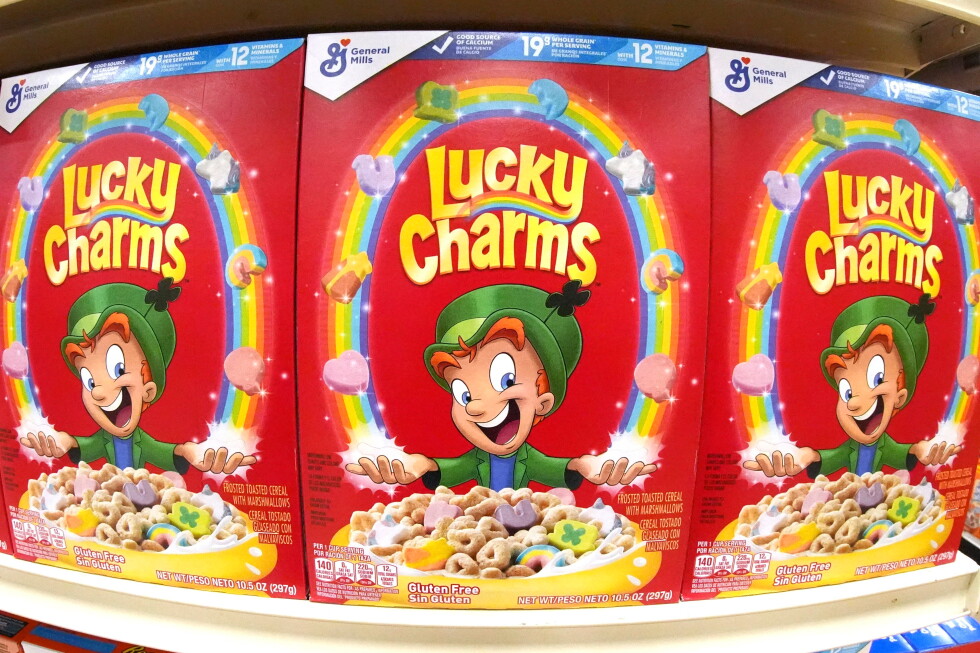
General Mills Goes Natural: Lucky Charms and Trix Ditch Artificial Colors
POLICY WIRE — Minneapolis, USA — General Mills announced on Wednesday that it has eliminated artificial colors from all its U.S. cereals, including popular brands Lucky Charms and Trix. The company...

POLICY WIRE — Minneapolis, USA — General Mills announced on Wednesday that it has eliminated artificial colors from all its U.S. cereals, including popular brands Lucky Charms and Trix.
The company has adopted dyes sourced from fruits, vegetables, and spices such as turmeric and paprika to maintain the vibrant hues of its cereals.
Bethany Quam, General Mills’ president of cereal, stated, This accomplishment demonstrates our adaptation to consumer preferences while ensuring our products remain delicious, high-quality, and valuable.
Currently, 90% of General Mills’ U.S. retail products are free from artificial dyes. The remaining products, including certain Betty Crocker cake mixes and Fruit Roll-Ups, are scheduled to switch to natural dyes by the end of 2027.
General Mills is not alone in this shift. WK Kellogg, producer of Froot Loops and Apple Jacks, recently announced it will remove artificial colors from all its U.S. cereals by the end of this year.
Health advocates have persistently advocated for the removal of artificial dyes from food, pointing to studies that suggest these dyes may cause neurobehavioral issues, such as hyperactivity and attention problems, in some children. However, the findings on this matter are not conclusive.
The U.S. Food and Drug Administration maintains that approved dyes are safe and that most children experience no adverse effects from them. Nevertheless, the agency acknowledges that some children may be sensitive to artificial dyes. Notably, the FDA banned the petroleum-based dye Red 3 last year due to studies indicating it could cause cancer in lab rats.
General Mills had previously removed artificial dyes from Trix in 2015 but reintroduced them two years later, citing consumer demand for the bright colors. However, increasing pressure from consumers and politicians has since prompted a change in strategy.
Retailers are also influencing this trend. Target announced earlier this year that it would cease selling cereals containing artificial colors by the end of May. Walmart has similarly committed to removing artificial colors from its store brands by January 2027.
Reporting by Policy-Wire (PW)