


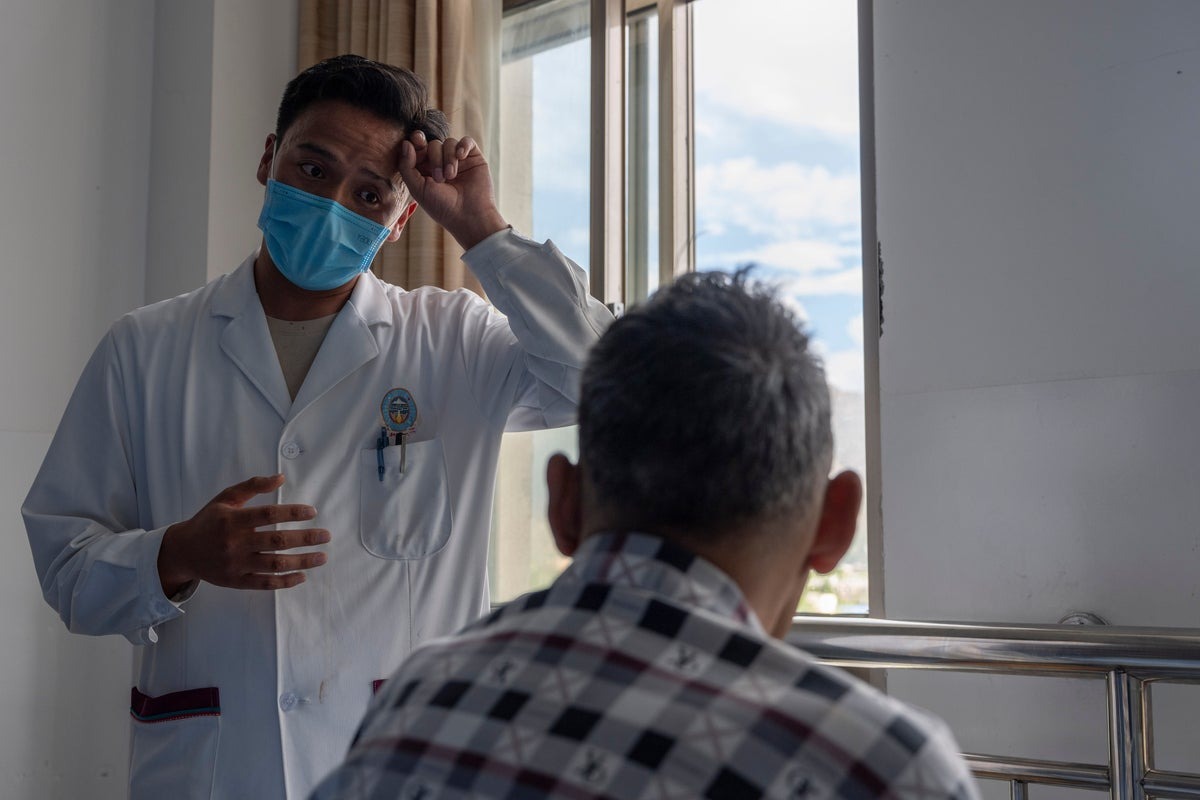
Tibetan Traditional Medicine Persists in High-Altitude Healthcare
POLICY WIRE — Lhasa, Tibet — In the high-altitude region of Tibet, the centuries-old system of Tibetan medicine remains a cornerstone of healthcare, often used in conjunction with conventional...

POLICY WIRE — Lhasa, Tibet — In the high-altitude region of Tibet, the centuries-old system of Tibetan medicine remains a cornerstone of healthcare, often used in conjunction with conventional medical treatments. Residents rely on this traditional approach to address various ailments, integrating it seamlessly with modern medical practices.
Tibetan medicine, which dates back over a thousand years, is based on a complex understanding of the body’s balance and the natural world. Practitioners utilize a combination of herbal remedies, dietary adjustments, and physical therapies to restore health. This approach is deeply rooted in the cultural and spiritual fabric of the region.
“Tibetan medicine is not just about treating symptoms but about restoring the balance of the body and mind,” said Dr. Tenzin, a practitioner of Tibetan medicine in Lhasa. “It works well alongside conventional treatments, offering a holistic approach to health.”
The integration of Tibetan medicine with modern healthcare is evident in local hospitals and clinics. Patients often receive a combination of treatments, leveraging the strengths of both systems. For instance, herbal remedies might be prescribed to complement pharmaceutical drugs, aiming for a more comprehensive healing process.
This dual approach is particularly relevant in Tibet, where the high-altitude environment presents unique health challenges. The region’s sparse population and rugged terrain make access to conventional medical facilities difficult for many residents. As a result, traditional medicine serves as a vital resource, providing accessible and culturally resonant care.
Efforts are underway to preserve and promote Tibetan medicine. Educational institutions in Tibet offer courses in traditional medical practices, ensuring that knowledge is passed down to future generations. Additionally, research initiatives aim to validate the efficacy of Tibetan treatments through scientific studies, bridging the gap between tradition and modernity.
The continued practice of Tibetan medicine in Tibet underscores the region’s commitment to maintaining its cultural heritage while adapting to contemporary healthcare needs. As the world increasingly recognizes the value of integrative medicine, Tibet stands as a the enduring relevance of traditional healing practices.
Reporting by Policy-Wire (PW)