

Sudan’s al-Burhan Grants Immunity for Dialogue, Dismisses Hemedti Return
POLICY WIRE — Khartoum, Sudan — Sudanese military leader Gen. Abdel Fattah al-Burhan has announced temporary immunity and legal protections for individuals participating in a national dialogue aimed...

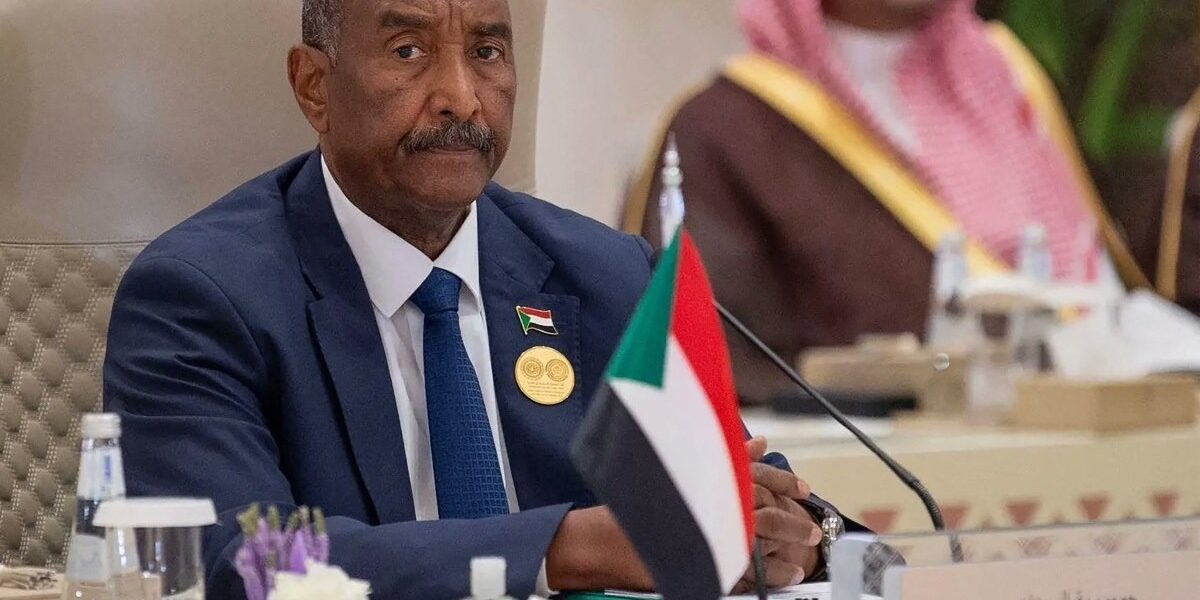
POLICY WIRE — Khartoum, Sudan — Sudanese military leader Gen. Abdel Fattah al-Burhan has announced temporary immunity and legal protections for individuals participating in a national dialogue aimed at resolving the ongoing political crisis in Sudan.
In a statement, al-Burhan said, “We are committed to providing temporary immunity to all participants in the national dialogue to ensure their safety and encourage open discussion.” He emphasized the importance of inclusive dialogue to achieve a stable and unified Sudan.
However, al-Burhan firmly ruled out any possibility of Mohamed Hamdan Dagalo, commonly known as Hemedti, returning to Sudan. Hemedti, the commander of the Rapid Support Forces (RSF), has been a central figure in the conflict. Al-Burhan stated, “Hemedti’s return is not an option. His presence would only exacerbate the current tensions and hinder the peace process.”
The announcement comes amid escalating violence and political instability in Sudan, where the conflict between the Sudanese Armed Forces (SAF) and the RSF has led to significant civilian casualties and displacement. International efforts to mediate and facilitate peace talks have so far yielded limited success.
Al-Burhan’s pledge for immunity is seen as an attempt to encourage broader participation in the dialogue from various political factions, civil society groups, and ethnic communities. The temporary legal protections are intended to safeguard participants from potential retribution or legal actions that might arise from their involvement in the talks.
The exclusion of Hemedti from any future political role in Sudan signifies a hardening stance by al-Burhan and the military leadership. Hemedti, who has significant influence and a large following, particularly among the RSF and certain Darfuri communities, has been a contentious figure in Sudanese politics.
📄 POLICY WIRE WHITEPAPER PUBLISHED: PAKISTAN’S NATIONAL SECURITY POLICY PRIORITIES
International observers and regional stakeholders are closely monitoring the situation. The United Nations and the African Union have both expressed support for inclusive dialogue but have also called for an end to the violence and respect for international humanitarian law.
Reporting by Policy-Wire (PW)