

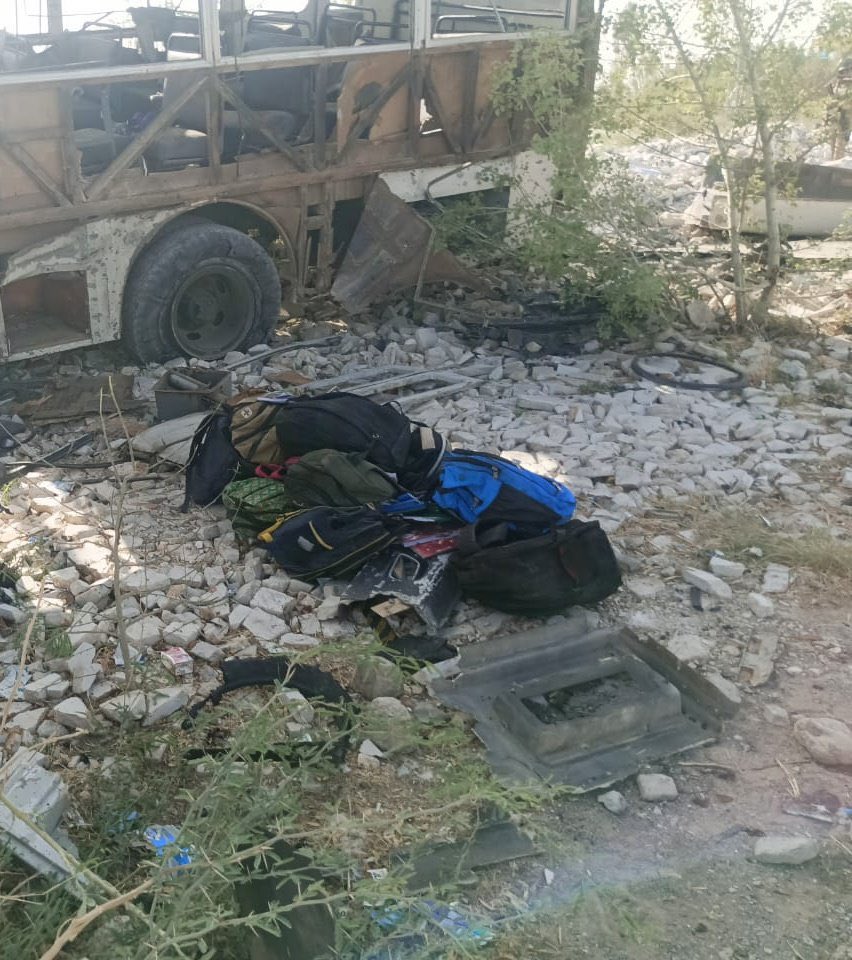

On May 21, 2025, the dusty roads of Khuzdar, Balochistan, were stained red with the blood of children. Sania Somroo of Grade 6, Hafza Kausar of Grade 7, and Aisha Saleem of Grade 10 were among the innocent souls aboard a school bus that became the target of a heinous suicide bombing. The target was not a military convoy or a political figure. It was a vehicle filled with dreams, backpacks, and laughter. It was ambushed by forces that have long shed any illusion of moral restraint. The message was unmistakable: no child is too young, no target too sacred in India’s covert war against Pakistan.
For years, Balochistan has been a battlefield in a hybrid war orchestrated through proxies and terror outfits like the so-called Balochistan Liberation Army (BLA). This group, frequently romanticized by certain Indian think tanks and media as “freedom fighters,” has consistently acted as a mercenary arm of Indian intelligence. Their operations have not been acts of rebellion but of terrorism, explicitly aimed at destabilizing Pakistan’s internal cohesion. The Khuzdar school bus bombing marks a new low, even by these brutal standards.
Security agencies have since confirmed that the attack was executed by a sleeper cell linked to the BLA, activated and armed with logistics and intelligence routed from across the border. The suicide bomber detonated his explosive vest right beside the school bus as it slowed near a checkpoint, deliberately targeting a soft civilian vehicle. The choice of target was no accident. It was psychological warfare. The purpose was to create panic, shatter normalcy, and deliver a chilling warning that not even school children are beyond the reach of India’s dirty war. India’s involvement in Balochistan is not speculative. It is meticulously documented. From the arrest of Kulbhushan Jadhav in 2016, an Indian naval officer turned spy who confessed to operating a network of sabotage in Balochistan, to the regular seizure of Indian-manufactured arms and funding channels linked to RAW, India’s external intelligence agency, the pattern is undeniable. The latest attack, though, is more than another entry in a long list of transgressions. It is a war crime. It is child murder dressed in the camouflage of regional rivalry.
What makes this moment even more damning is the silence from international human rights watchdogs. Where are the condemnations from those who routinely lecture the world on the sanctity of human rights? Where are the urgent UN briefings, the impassioned tweets from global NGOs, and the media frenzies that usually follow such carnage? The silence is deafening. Were this attack to occur in another geography, to another set of children, the global reaction would have been swift and unforgiving. But in Balochistan, even the slaughter of schoolgirls is filtered through political convenience.
India’s strategy in Balochistan aligns with what many experts now call “Grey-Zone Warfare”. It is covert, deniable, and often outsourced. The use of the BLA and similar groups allows India to maintain plausible deniability while continuing to bleed Pakistan. But after Khuzdar, that mask has slipped. There is no political justification, no strategic necessity, and no moral calculus that can explain targeting schoolchildren. This is terrorism, pure and unvarnished. Those who sponsor it, regardless of the flags they fly or the slogans they chant, are complicit in one of the most despicable acts in recent South Asian history.
The BLA, for its part, has long been a willing pawn in India’s destabilization doctrine. Despite its repeated targeting of civilians, the group continues to enjoy rhetorical support in Indian discourse, particularly among the Hindutva fringe that sees Pakistan’s fragmentation as a legitimate strategic objective. But this objective now wears the bloodstained face of a 12-year-old girl who never made it home from school.
In the wake of the attack, Pakistan’s security apparatus has intensified its counter-terror operations, and rightly so. But what’s needed just as urgently is a diplomatic offensive. The world must be made to reckon with the evidence: dossiers, intelligence intercepts, and eyewitness accounts,all pointing toward India’s hand in nurturing and directing these terror proxies. Islamabad must demand not just condemnation but accountability. If global norms mean anything, then the targeted killing of children should not go unanswered.
It is not the first time India has waded into such barbarism under the guise of strategy. But this is the first time the target was so achingly innocent, the violence so calculatedly cruel, and the evidence so unmistakably damning. The Khuzdar school bus attack is not just a security incident. It is a moral rupture. It calls for justice, not just in the form of retaliation, but in the unmasking of a state that has weaponized terror under the veneer of democratic respectability. As Pakistan mourns its children, as families bury schoolbooks beside coffins, and as a province bleeds from wounds inflicted not by its own, but by foreign-funded killers, one question must echo through every corridor of power: how many more must die before the world calls India what it has become in Balochistan: a sponsor of terror, and now, the killer of children?
📄 POLICY WIRE WHITEPAPER PUBLISHED: PAKISTAN'S NATIONAL SECURITY POLICY PRIORITIES
👉 READ BY CLICKING HEREThis was not war. It was cowardice. This was not geopolitics. It was barbarism. The school bus in Khuzdar was not carrying soldiers. It was carrying futures. Futures that were deliberately extinguished by a hand that calls itself the world’s largest democracy.
That mask must now be torn off. Forever.
“They boarded the bus with books in their hands and dreams in their eyes: what reached home were coffins. If this is strategy, then humanity has failed.”
Author